
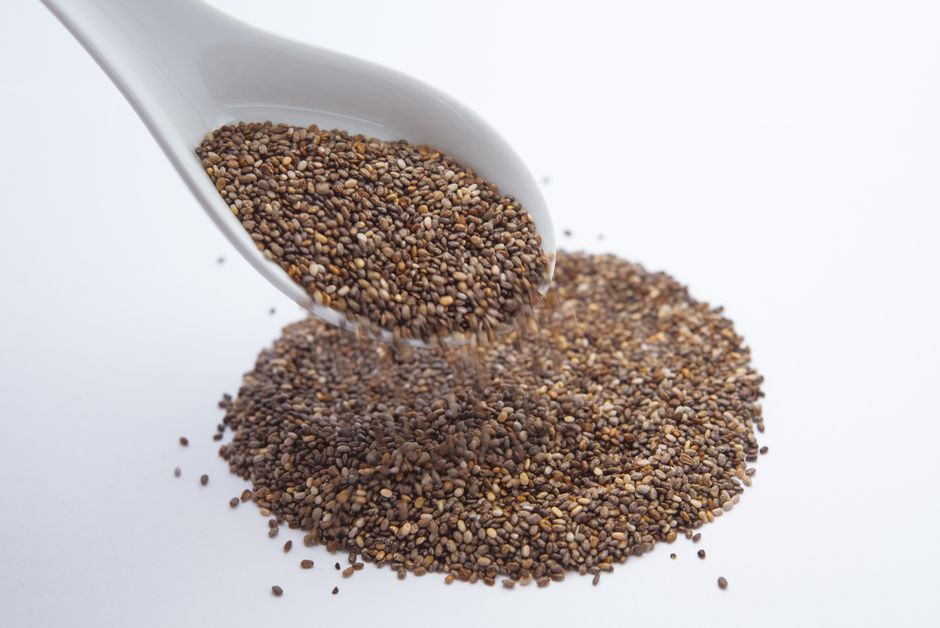
Soaking chia seeds is simple: mix one part chia seeds with four parts liquid, stir, and wait about 15 minutes until the mixture forms a gel-like texture. The seeds expand to many times their dry size, which is why the correct ratio matters. If you skip the soak, the seeds stay dry and crunchy, which can be a texture problem in some foods and a genuine swallowing risk when eaten completely dry by the spoonful.
Why Do Chia Seeds Need To Be Soaked?
Chia seeds absorb roughly 10 to 12 times their weight in water. That is a remarkable amount of liquid for a seed that looks small and dry. The outer layer of the seed is rich in soluble fiber. When that fiber meets water, it forms a gel around each seed.
This gel is why soaked chia seeds look like tiny tapioca pearls suspended in a thick liquid. The gel forms because the soluble fiber pulls water into the seed and holds it there. This process takes time. It is not instant.
Soaking does more than change texture. It makes the nutrients in the seed more accessible. The gel also slows digestion, which can help you feel full for longer after a meal. That fullness effect is one reason chia seeds are popular in breakfast puddings and smoothies.
How To Soak Chia Seeds: The Basic Ratio
The standard ratio is 1 part chia seeds to 4 parts liquid. This means 1 tablespoon of chia seeds needs 4 tablespoons of water, milk, or plant-based milk. For a pudding, 1/4 cup of chia seeds with 1 cup of liquid works well.
Stir the mixture immediately after adding the liquid. Chia seeds clump together if you leave them sitting. Stir again after 5 minutes to break up any clumps that have formed. Then let the mixture sit for a total of 15 minutes.
Check the texture after 15 minutes. The mixture should look like a thick gel. If it is still runny, add more seeds. If it is too thick, add more liquid. The ratio is a starting point, not a strict rule. Different liquids absorb differently. Thicker liquids like coconut milk may need slightly more time.
How Long Should Chia Seeds Soak?
Fifteen minutes is the minimum time for a proper soak. At this point, the seeds have absorbed enough liquid to form a gel and lose their dry crunch. The texture at 15 minutes is still somewhat loose.
For a firmer pudding, soak for 2 hours or overnight in the refrigerator. Overnight soaking gives the seeds maximum time to absorb liquid. The result is a thicker, more uniform gel with no dry seeds left in the center.
There is no benefit to soaking beyond 24 hours. The seeds will not absorb more liquid after that point. The mixture may begin to ferment or spoil, especially if left at room temperature. Soaked chia seeds should always be refrigerated if you plan to store them.





What Liquid Works Best for Soaking Chia Seeds?
Water is the simplest option. It produces a neutral gel that works in savory dishes and smoothies. The texture is clear and jelly-like.
Milk and plant-based milks create a creamier result. Almond milk, oat milk, and coconut milk all work. The chia seeds will thicken the milk into a pudding-like consistency. This is the base for most chia pudding recipes.
Juice works but changes the flavor significantly. The seeds will absorb the juice and take on its taste. This can be pleasant in a fruit-based dessert, but be aware that the sugar content of juice adds calories and carbohydrates.
Hot liquids also work. Chia seeds will absorb hot water or hot milk faster than cold liquid. The soak time drops to about 5 to 10 minutes with hot liquid. Let the mixture cool before eating.
Should You Soak Chia Seeds in Warm or Cold Water?
Cold water is the standard choice. It produces a consistent gel over 15 minutes to 2 hours. Most recipes call for cold or room-temperature liquid because it gives you control over the texture.
Warm water speeds up the process. The heat helps the soluble fiber hydrate faster. If you are in a hurry, warm liquid can cut the soak time roughly in half. The gel forms in about 5 to 10 minutes.
Boiling water is not necessary. Very hot water can make the gel thinner and less stable. It also limits what you can do with the mixture afterward. Room temperature or cold liquid is the safer choice for most uses.
Common Mistakes When Soaking Chia Seeds
The most common mistake is using too few seeds. A sprinkle of chia seeds in a glass of water will not form a gel. You need enough seeds to create the ratio. One teaspoon in a cup of water produces a thin, barely thickened drink. That is fine if you want a beverage, but it is not a proper soak.
Not stirring is the second most common mistake. Chia seeds sink quickly. If you do not stir them within the first minute, they settle at the bottom and form a dense clump. That clump is difficult to break up later. Stir immediately, then stir again after 5 minutes.
Eating dry chia seeds is a genuine concern. Dry seeds can absorb liquid in your throat and esophagus as you swallow. This can cause choking, especially for children or anyone with swallowing difficulties. Always soak chia seeds before eating them if you are consuming them directly, rather than mixed into another food.
How To Store Soaked Chia Seeds
Soaked chia seeds keep in the refrigerator for up to 5 days. Store them in an airtight container. The gel will continue to thicken slightly as it sits.
Stir the mixture before using it after storage. Some separation is normal. The seeds settle at the bottom and liquid may rise to the top. A quick stir brings everything back together.
Do not freeze soaked chia seeds. The gel structure breaks down when frozen and thawed. The texture becomes watery and grainy. If you want to prepare chia in advance, make a fresh batch every few days instead of trying to freeze it.
Can You Soak Chia Seeds Without Liquid?
No. Chia seeds require liquid to form the gel. Without liquid, they remain dry and hard. There is no alternative method that creates the same result.
Some people grind dry chia seeds and add them to baked goods. This works because the moisture in the batter hydrates the ground seeds during baking. But this is not soaking. It is a different preparation method with a different texture outcome.
Do Soaked Chia Seeds Lose Nutrients?
Soaking does not significantly reduce the nutritional value of chia seeds. The seeds retain their fiber, protein, and omega-3 fatty acids through the soaking process. Some minerals may leach into the soaking liquid, which is why you should eat the liquid along with the seeds rather than draining it off.
The gel that forms during soaking is itself a form of soluble fiber. Eating the gel delivers that fiber to your digestive system. This fiber can help with regularity and may support healthy cholesterol levels, though individual results vary.
Frequently Asked Questions
How long do chia seeds need to soak?
Chia seeds need at least 15 minutes to soak properly. For a firmer pudding, soak them for 2 hours or overnight in the refrigerator.
What is the correct chia seed to water ratio?
Use 1 part chia seeds to 4 parts liquid. One tablespoon of chia seeds with 4 tablespoons of liquid creates a proper gel.
Can you eat chia seeds without soaking them?
You can eat dry chia seeds mixed into food like yogurt or oatmeal, but eating them dry by the spoonful is a choking risk. Dry seeds absorb liquid in the throat and can swell.
Do soaked chia seeds need to be refrigerated?
Yes, refrigerate soaked chia seeds if you are not eating them right away. They keep for up to 5 days in an airtight container in the refrigerator.
