
Tooth discoloration happens when stains build up on the enamel or when the enamel itself wears down over time. You can prevent most everyday staining by brushing twice a day, flossing daily, and rinsing your mouth with water after coffee, tea, or red wine. For deeper discoloration caused by aging or medication, professional whitening or dental treatment may be the only reliable option, but daily habits remain your first line of defense.
What Causes Tooth Discoloration in the First Place?
Understanding why teeth change color helps you target the right prevention. Stains fall into two main categories: extrinsic and intrinsic.
Extrinsic stains sit on the surface of the enamel. They come from things that touch your teeth directly—coffee, tea, red wine, cola, berries, soy sauce, and tobacco. These stains respond well to brushing, professional cleanings, and whitening toothpaste.
Intrinsic stains form inside the tooth structure. They can result from aging, childhood antibiotic use (specifically tetracycline), excessive fluoride during early childhood, trauma to a tooth, or certain medical conditions. Intrinsic stains do not respond to surface cleaning and often require professional whitening, veneers, or bonding.
Age itself is a major factor. Over decades, enamel naturally thins and becomes more translucent. When enamel thins, the yellowish dentin underneath shows through more clearly. This is not a stain you can brush away—it is a structural change.
How To Prevent Tooth Discoloration From Food and Drink
Your diet plays the largest role in everyday staining. The pigments in dark beverages and foods adhere to the enamel, especially when the enamel is slightly rough or dry.
You do not need to give up coffee or tea entirely. Instead, change how you consume them. Drink through a straw when practical to bypass the front teeth. Rinse your mouth with plain water immediately after finishing a staining beverage. Do not brush right away—acid in the drink softens enamel, and brushing within 30 minutes can push the acid deeper and wear the enamel down.
Wait at least 30 minutes after acidic drinks before brushing. This gives your saliva time to neutralize the acid and re-harden the enamel surface.
Does Oil Pulling Actually Prevent Stains?
Oil pulling—swishing coconut or sesame oil in your mouth for 10 to 20 minutes—has become popular as a natural whitening method. The evidence is limited.
Some small studies suggest oil pulling may reduce plaque and gingivitis, which can indirectly make teeth look cleaner. However, no large, well-controlled human trials have confirmed that oil pulling whitens teeth or prevents discoloration better than standard brushing and flossing. The mechanical action of swishing may dislodge some surface debris, but it does not remove established stains or change intrinsic discoloration.
If you enjoy oil pulling, it is not harmful as long as you do not swallow the oil. But treat it as an addition to your routine, not a replacement for brushing and flossing.
Whitening Toothpaste: What It Can and Cannot Do
Whitening toothpaste contains mild abrasives that polish away surface stains. Most contain silica or hydrated alumina, which physically scrub the enamel. Some also contain low concentrations of hydrogen peroxide or carbamide peroxide, but the contact time in your mouth is too short for these to meaningfully bleach deeper stains.
Whitening toothpaste works well for removing coffee, tea, and tobacco stains from the surface. It does nothing for intrinsic discoloration or age-related yellowing of the dentin.
Use whitening toothpaste with caution. All toothpastes are somewhat abrasive, and highly abrasive formulas can wear down enamel over years of use. The American Dental Association labels abrasiveness using the RDA (relative dentin abrasivity) scale. Look for a toothpaste with an RDA below 250, which is the safety ceiling for daily use. If your teeth become sensitive or your enamel looks more yellow (because thinner enamel reveals more dentin), switch to a gentler formula.
Professional Whitening vs. At-Home Kits
Professional whitening performed by a dentist uses higher concentrations of hydrogen peroxide or carbamide peroxide. These penetrate the enamel and break down the molecules that cause deep stains. Results are typically visible after one session, and the effect can last from several months to a few years depending on your habits.
At-home kits from the drugstore contain much lower peroxide concentrations. They work, but more slowly. Custom-fitted trays from your dentist hold the gel against your teeth more effectively than one-size-fits-all strips, which means more even results and less gum irritation.
No over-the-counter product can match the concentration of a professional treatment. If you have intrinsic stains, crowns, veneers, or sensitive teeth, talk to your dentist before using any whitening product. Peroxide can irritate gums and increase sensitivity, and it does not whiten dental restorations—only natural teeth.
Does Fluoride Prevent or Cause Discoloration?
Fluoride prevents cavities, and cavities can cause brown or black spots on teeth. In that sense, fluoride indirectly prevents some discoloration. However, too much fluoride during childhood can cause fluorosis, which appears as white streaks or brown spots on developing teeth.
Fluorosis only affects children whose permanent teeth are still forming—typically under age 8. Adults cannot develop fluorosis. For children, use only a pea-sized amount of fluoride toothpaste and supervise brushing to prevent swallowing. Most municipal water supplies contain fluoride at levels safe for dental health, and the risk of fluorosis from tap water is low in the United States.
Can You Reverse Existing Tooth Discoloration?
Surface stains can often be removed. A professional dental cleaning removes tartar and polish away many extrinsic stains. Whitening toothpaste and at-home whitening strips can also lift surface discoloration over a few weeks.
Intrinsic stains are harder to reverse. Peroxide-based whitening can lighten some intrinsic stains, particularly those caused by aging or mild fluorosis. Tetracycline stains and trauma-related discoloration may not respond fully to whitening. In those cases, veneers or dental bonding are the realistic options.
Do not expect dramatic results from any single product. Whitening is a gradual process, and the final shade depends on your natural tooth color, the type of stain, and how consistently you maintain your routine afterward.
Daily Habits That Keep Teeth White Longer
Prevention is easier than correction. Build these habits into your day:
- Brush twice daily for two minutes with a soft-bristled brush.
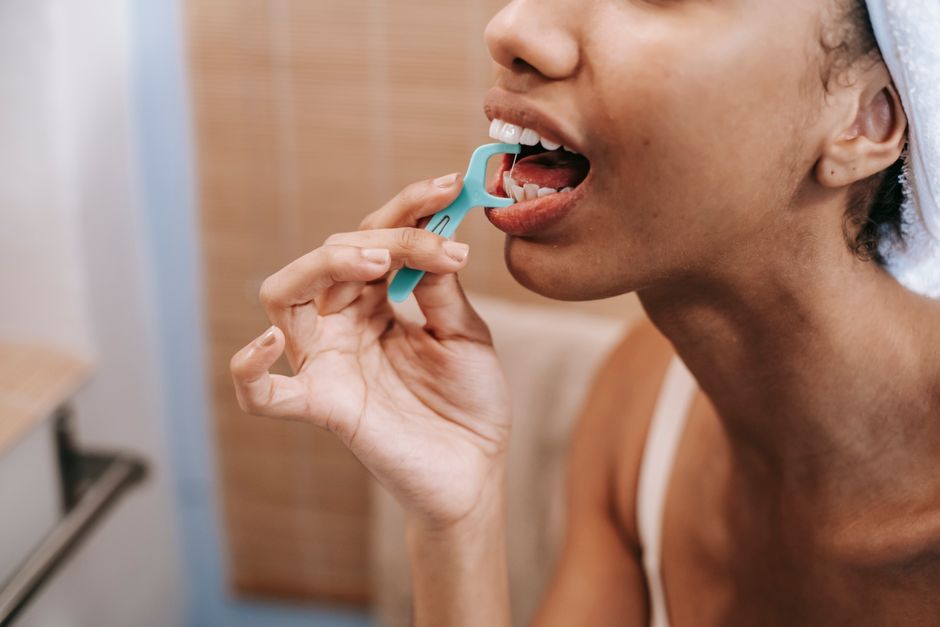
- Floss once daily to remove plaque between teeth, where stains often hide.
- Rinse with water after any staining food or drink.
- Chew sugar-free gum after meals to stimulate saliva, which washes away debris and neutralizes acid.
- Limit snacking on sugary or acidic foods throughout the day.
- Do not smoke or use smokeless tobacco.
- See your dentist every six months for a cleaning and checkup.
Saliva is your mouth’s natural cleaning system. Dry mouth—from medications, mouth breathing, or certain medical conditions—increases stain buildup because there is less saliva to wash pigments away. If you have chronic dry mouth, drink water frequently and talk to your dentist about saliva substitutes.
Frequently Asked Questions
Does brushing with baking soda whiten teeth?
Baking soda is mildly abrasive and can remove some surface stains with regular use. It is not more effective than standard whitening toothpaste, and overuse can wear down enamel.
How long does professional whitening last?
Results typically last from six months to two years depending on your diet and oral hygiene. Avoiding coffee, tea, and tobacco after whitening extends the results.
Can yellow teeth become white again?
Surface yellowing from food and drink can often be removed with professional cleaning and whitening. Yellowing from age-related enamel thinning is harder to reverse and may require veneers for a dramatic change.
Is charcoal toothpaste safe for teeth?
Charcoal toothpaste is highly abrasive and can wear down enamel with regular use. No clinical evidence confirms it whitens teeth better than standard toothpaste, and it may actually make teeth appear more yellow by exposing dentin.
