
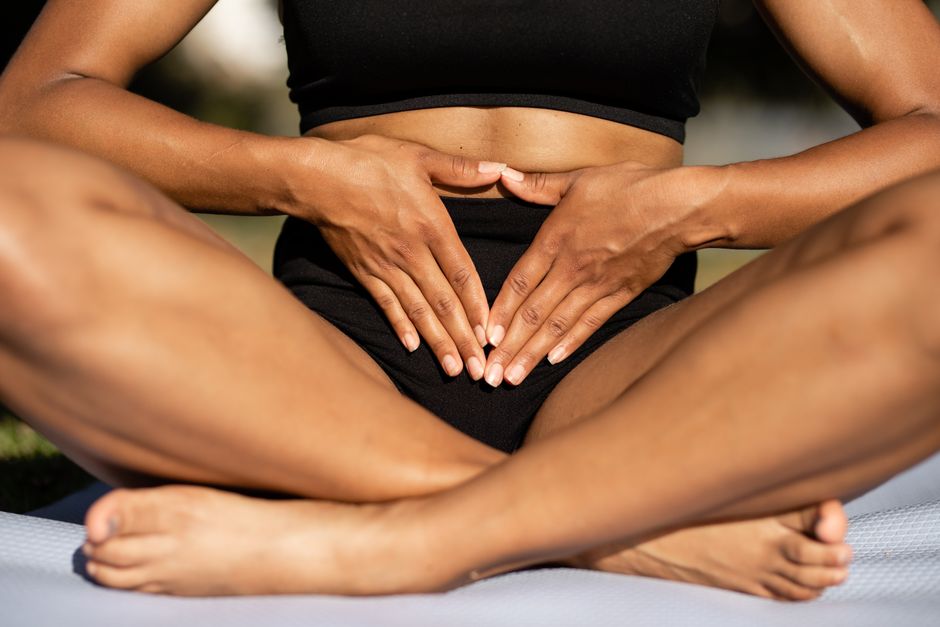
Sitting with pudendal neuralgia is genuinely difficult because the pudendal nerve runs directly through the areas that bear your weight when you sit. The goal is to shift pressure away from the nerve, which sits deep in the pelvis near the base of the spine and the genitals. The most effective approach is to use a donut or U-shaped cushion, sit with your weight on your “sit bones” (ischial tuberosities) rather than the soft tissue between them, and take frequent breaks. No single position works for everyone, but a combination of the right cushion, proper posture, and regular movement is the foundation of managing pain while seated.
What Is Pudendal Neuralgia and Why Does Sitting Hurt?
The pudendal nerve is a major nerve in the pelvis. It provides sensation to the genitals, the area between the genitals and anus (the perineum), and the skin around the anus. It also helps control the muscles involved in bladder and bowel function.
Pudendal neuralgia occurs when this nerve becomes compressed, irritated, or damaged. Sitting is a common trigger because your body weight presses directly onto the pelvic floor muscles and tissues that surround the nerve. When you sit on a hard or flat surface, the pressure concentrates in the exact area where the pudendal nerve travels.
Over time, this repeated pressure can cause pain, burning, numbness, or tingling in the pelvic region. Some people describe it as sitting on a golf ball or a sharp object. The pain can worsen the longer you sit, and it often improves when you stand or lie down.
How To Sit With Pudendal Neuralgia Positions Cushions
The single most important change you can make is to use a cushion designed to relieve pressure on the pudendal nerve. Standard flat cushions do not help because they distribute pressure evenly across the entire pelvic floor, which still compresses the nerve.
A U-shaped or donut cushion is the most commonly recommended option. This cushion has a hole or open center in the middle, which removes direct pressure from the perineum and the area around the anus. Your weight rests on the outer ring of the cushion, which corresponds to your sit bones.
When you sit on a U-shaped cushion, position yourself so that the opening is facing forward. The open space should sit directly under your genitals and perineum. Your sit bones should rest on the firm outer edges of the cushion. This keeps the nerve pathway free from compression while still providing a stable base.
Another option is a wedge cushion, which tilts your pelvis slightly forward. This changes the angle of your hips and can reduce pressure on the pelvic floor. Some people find that a wedge combined with a U-shaped cutout works best. Memory foam versions conform to your body shape, but they may not provide enough firmness to truly offload the nerve. Gel cushions are also available and can offer good pressure relief.
No cushion is a complete fix. Even with the right cushion, you should not sit for long stretches. The nerve needs regular breaks from pressure to recover.
Proper Sitting Posture for Pudendal Neuralgia
How you sit matters as much as what you sit on. Poor posture can increase pressure on the pelvic floor even when you are using a cushion.
Sit with your feet flat on the floor. Your knees should be at roughly a 90-degree angle, and your hips should be slightly higher than your knees. This position tilts your pelvis forward and takes some tension off the pelvic floor muscles.
Keep your back straight but not rigid. Slouching rolls your pelvis backward, which compresses the pelvic floor and pushes more weight onto the perineum. Leaning too far forward places your upper body weight directly onto the front of the pelvis, which can also irritate the nerve.
Shift your weight from one side to the other every few minutes. This alternates which sit bone takes the pressure and gives the nerve a brief rest. You can also lean slightly to one side, placing more weight on one buttock at a time, but do not stay in that position for long.





How Long Can You Sit With Pudendal Neuralgia?
There is no universal time limit that works for everyone. However, the general guidance is to avoid sitting for more than 20 to 30 minutes at a time. After that, stand up, walk around, or lie down for a few minutes before sitting again.
This does not mean you cannot sit at all. It means you need to break up your sitting time. If you work at a desk, set a timer to remind yourself to stand every 20 minutes. Even 60 seconds of walking can help relieve pressure and improve blood flow to the area.
Some people find they can sit longer on a good cushion. Others need to stand more frequently even with the best cushion available. Listen to your body. If you feel pain building, change position or stand up. Pushing through the pain can make symptoms worse and prolong recovery.
Other Sitting Options and Alternatives
Standing desks are a practical alternative for people with pudendal neuralgia. Alternating between sitting and standing throughout the day reduces the total time your pelvic floor is under pressure. If standing for long periods causes fatigue, use a footrest or anti-fatigue mat.
Kneeling chairs are another option. They change your posture so that your weight rests on your shins and knees rather than your pelvic floor. Some people find them comfortable, but they are not suitable for everyone, especially if you have knee problems.
Reclining or semi-reclining positions can also help. When you recline, the angle of your pelvis changes and less weight presses directly on the perineum. A recliner chair or a chair with an adjustable backrest may be more comfortable than a standard upright chair.
Lying down is the most reliable way to relieve pudendal nerve pressure. If your pain is severe, plan your day so you can spend part of it lying down. This is not practical for most work settings, but it is worth considering during flare-ups.
Additional Strategies to Reduce Pain While Sitting
Cushions and posture are the first line of defense, but they are not the only tools available.
Ice packs applied to the perineal area for 10 to 15 minutes after sitting can help reduce inflammation and numb the pain. Do not apply ice directly to the skin—wrap it in a cloth or towel.
Warm baths can relax the pelvic floor muscles. Muscle tension can worsen nerve compression, so anything that reduces tension in this area may help. A 15-minute warm bath after a long day of sitting can be beneficial.
Pelvic floor physical therapy is one of the most effective treatments for pudendal neuralgia. A trained physical therapist can teach you exercises to relax and stretch the pelvic floor muscles, which can reduce pressure on the nerve. This is not the same as Kegel exercises, which strengthen the pelvic floor. In pudendal neuralgia, the muscles are often already tight, so relaxation techniques are usually more helpful than strengthening exercises.
Some clinicians recommend nerve gliding exercises, which gently move the nerve through its pathway to reduce adhesions and improve mobility. These exercises should be done under the guidance of a physical therapist, as incorrect technique can worsen symptoms.
When To See a Doctor
Pudendal neuralgia can be difficult to diagnose and treat. If your pain is severe, persists for more than a few weeks, or interferes with your daily life, see a doctor. A urologist, gynecologist, or pain specialist may be able to help.
Your doctor may recommend imaging studies to rule out other causes of pelvic pain, such as a herniated disc, pelvic floor dysfunction, or nerve entrapment from another source. In some cases, medication, nerve blocks, or surgery may be considered.
Do not ignore the pain or assume it will go away on its own. Early intervention often leads to better outcomes. The longer the nerve remains compressed, the more difficult it can be to treat.
Frequently Asked Questions
What is the best cushion for pudendal neuralgia?
A U-shaped or donut cushion is the most commonly recommended option because it removes direct pressure from the perineum. The opening should face forward, and your sit bones should rest on the firm outer edges.
How long can I sit with pudendal neuralgia?
Most experts recommend sitting for no more than 20 to 30 minutes at a time. Stand up, walk, or lie down for a few minutes before sitting again.
Is a donut cushion good for pudendal neuralgia?
Yes, a donut or U-shaped cushion can help by creating an open space under the perineum. It is not a cure, but it can significantly reduce pressure on the nerve while seated.
Can sitting make pudendal neuralgia worse?
Yes, prolonged sitting directly compresses the pudendal nerve and can worsen symptoms. Taking frequent breaks and using a pressure-relieving cushion are essential steps.
