
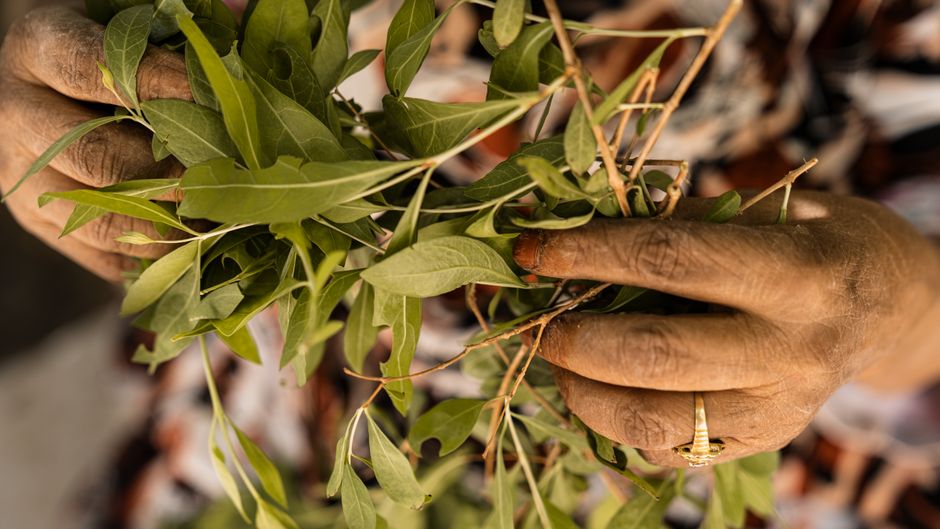
Growing myrrh means growing Commiphora, a small desert tree native to arid parts of Africa and the Middle East. The resin is harvested by wounding the bark and collecting the dried sap that oozes out. It is a slow, patient process that works best in hot, dry climates with well-drained soil.
What Is Myrrh and Where Does It Come From?
Myrrh is a natural gum resin taken from trees in the Commiphora genus. The most common source is Commiphora myrrha, though several related species also produce usable resin. These trees are native to Somalia, Ethiopia, Kenya, Yemen, and Oman.
The tree itself is small and thorny, often reaching only 5 to 15 feet tall. It has a thick, gnarled trunk and sparse foliage. In harsh desert conditions, it grows slowly and lives for decades. The resin is produced inside the bark and is released when the bark is cut or damaged.
Historically, myrrh was traded across the ancient world. It was used in religious ceremonies, embalming, perfumes, and traditional medicine. Today it still appears in incense, essential oils, and some herbal preparations.
Can You Grow Myrrh at Home?
Yes, but only under the right conditions. Commiphora trees are not houseplants. They need intense sunlight, low humidity, and very well-drained soil. Most indoor environments are too humid and too dark for them to thrive.
If you live in a warm, arid region — such as parts of the American Southwest, Southern California, or similar climates — you can grow myrrh outdoors. In cooler or wetter climates, a greenhouse or a carefully controlled indoor setup may work, but expect slower growth and a higher risk of root rot.
Myrrh trees are drought-tolerant once established. Overwatering is a common mistake. The soil should dry out completely between waterings. In winter, when the tree may go dormant, water very sparingly or not at all.
How To Grow Myrrh And Harvest Its Resin: Step by Step
Start with seeds or cuttings. Seeds are the most common method, but they can be slow to germinate. Soak the seeds in warm water for 24 hours before planting to improve germination rates. Plant them in a sandy, well-draining mix and keep them warm.
Cuttings are faster but less reliable. Take a cutting from a healthy branch, let it dry for a few days, then plant it in sandy soil. Rooting can take several weeks. Some growers report success with this method, but many cuttings fail.
Once the tree is established, it needs full sun. Position it where it gets at least six to eight hours of direct sunlight daily. The soil should be sandy or rocky, with excellent drainage. A cactus or succulent potting mix works well for container growing.
Fertilizer is rarely needed. Myrrh trees are adapted to poor soils. If you do fertilize, use a diluted, low-nitrogen formula during the growing season. Too much nitrogen encourages leafy growth at the expense of resin production.
Patience is essential. A tree grown from seed may take three to five years before it is large enough to harvest. Even then, resin yields are modest. This is not a crop for quick results.

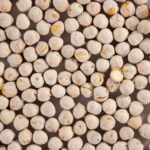



How To Harvest Myrrh Resin
Harvesting begins when the tree is mature enough — usually a few years old with a trunk at least a couple of inches thick. The process involves wounding the bark to trigger resin production.
Use a sharp knife to make shallow cuts in the bark. Do not cut deep into the wood. The goal is to damage the resin ducts in the bark without killing the tree. A series of small vertical cuts is more effective than one large wound.
The tree responds by exuding resin through the cuts. This resin is soft and pale at first. It hardens and darkens as it dries, typically over a period of two to four weeks. The color shifts from pale yellow to reddish-brown.
After the resin has hardened, collect it by hand. Gently pull the dried pieces off the bark. Avoid mixing in bark fragments or dirt, as these reduce the quality of the resin.
After harvesting, allow the tree to recover. Do not cut the same area repeatedly. Rotate the spots you wound so the tree has time to heal. Harvesting too aggressively can stress the tree and reduce future yields.
How Long Does It Take To Harvest Myrrh?
The full cycle — from planting to first harvest — takes several years. Seeds may take weeks to germinate and several more years to become productive trees. Cuttings may shorten this period slightly, but not dramatically.
Once a tree is mature, it can be tapped multiple times per year. Some growers harvest two or three times annually in optimal conditions. Each harvest yields a small amount of resin — often just a few grams per tree per tapping.
Commercial myrrh production relies on wild trees in arid regions where the climate is naturally suited to the plant. Even in those conditions, yields are modest. This is why genuine myrrh resin is relatively expensive.
If you are growing a single tree at home, treat the harvest as a novelty rather than a serious production operation. The resin you collect may be enough for personal use in incense or craft projects, but not much more.
Common Problems When Growing Myrrh
The most common issue is overwatering. Commiphora trees are adapted to dry conditions. Too much moisture causes root rot, which is often fatal. If the leaves turn yellow or the trunk feels soft, reduce watering immediately.
Cold is another serious problem. Myrrh trees cannot tolerate frost. In climates with freezing winter temperatures, they must be moved indoors or protected. Even brief cold snaps can damage or kill the tree.
Pests are less of a problem but can occur. Scale insects and mealybugs may attack indoor trees. Check the leaves and stems regularly. If you see pests, remove them by hand or use a gentle insecticidal soap.
Slow growth is normal, not a problem. Myrrh trees are naturally slow-growing. Do not be tempted to overwater or overfertilize in an attempt to speed things up. That usually causes more harm than good.
Is Myrrh Resin Safe To Use?
Myrrh resin has a long history of use in incense and traditional medicine. However, clinical evidence for its medicinal benefits is limited. Some studies suggest it has antimicrobial properties, but large human trials are lacking.
Do not ingest myrrh resin or essential oil without professional guidance. High doses can be toxic. Pregnant women should avoid myrrh entirely, as it may stimulate uterine contractions.
Skin contact with myrrh essential oil can cause irritation in some people. Always dilute essential oils with a carrier oil before applying to the skin. If you have sensitive skin, do a patch test first.
The resin itself, when used as incense, is generally considered safe for most people. However, anyone with asthma or respiratory sensitivities should use it in a well-ventilated area.
Frequently Asked Questions
How long does it take for a myrrh tree to produce resin?
A myrrh tree typically needs three to five years before it is large enough to harvest. Even then, each tapping yields only a small amount of resin.
Can myrrh trees grow indoors?
Myrrh trees can grow indoors in a sunny window or greenhouse, but they need intense light and dry conditions. Most homes are too humid and dark for them to thrive.
What is the best climate for growing myrrh?
Myrrh grows best in hot, arid climates with temperatures above freezing year-round. It thrives in desert conditions with sandy, well-drained soil.
How do you collect myrrh resin?
Make shallow cuts in the bark with a sharp knife and wait for the resin to ooze out and harden. Collect the dried resin by hand after two to four weeks.
