
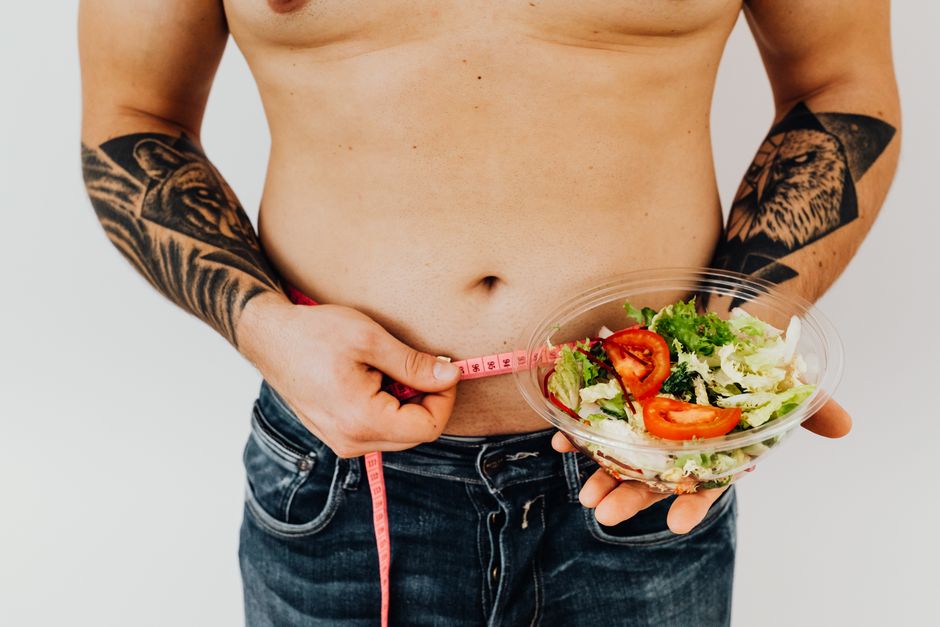
The liver is the only organ in the human body that can regenerate itself. That fact matters more than almost anything else when we talk about shrinking an enlarged liver. In most cases, an enlarged liver is not a permanent condition. It is a response to something — fat buildup, alcohol, medication, or an underlying metabolic issue — and when you remove the cause, the liver often responds by returning toward its normal size. Diet and lifestyle changes are the primary tools for making that happen, especially when the enlargement is caused by fat accumulation. The goal is not to shrink the liver itself but to reverse what is making it swell.
What Does It Actually Mean to Have an Enlarged Liver?
An enlarged liver has a medical name: hepatomegaly. It is not a disease on its own. It is a sign that something else is going on.
The liver sits in the upper right part of your abdomen, tucked under your rib cage. A normal adult liver weighs roughly 1.4 to 1.6 kilograms, though size varies with body size. When it becomes enlarged, it can be caused by fat deposits, inflammation, alcohol-related damage, viral hepatitis, certain medications, or less common conditions like autoimmune disease or storage disorders.
The most common cause in the United States is fat accumulation, known as metabolic dysfunction-associated steatotic liver disease, or MASLD. It was previously called nonalcoholic fatty liver disease, or NAFLD. The name changed because researchers recognized that the condition is tied to metabolic health — things like insulin resistance, excess weight, and type 2 diabetes — rather than simply the absence of alcohol use.
This distinction matters. If your liver is enlarged because of fat, diet and lifestyle changes can genuinely reverse it. If it is enlarged because of something else, those same changes may still help your overall health but may not address the root cause. That is why getting a proper diagnosis comes first.
How Do You Know If Your Liver Is Enlarged?
Most people with an enlarged liver do not feel anything. The condition is often discovered during a routine physical exam, blood test, or imaging study done for another reason.
When symptoms do appear, they tend to be vague. Some people report discomfort or a dull ache in the upper right abdomen. Fatigue is common. In more advanced cases, there may be yellowing of the skin or eyes, swelling in the legs, or confusion — but those suggest significant liver dysfunction and require immediate medical attention.
Blood tests can show elevated liver enzymes, though normal enzyme levels do not rule out liver disease. Imaging — ultrasound, CT scan, or MRI — can show liver size and fat content. A newer tool called transient elastography measures liver stiffness, which can indicate scarring.
If you suspect your liver is enlarged, see a doctor. Self-diagnosis is not reliable here, and the underlying cause determines what will actually help.
How To Shrink Your Liver With Diet And Lifestyle Changes
The most effective approach for fat-related liver enlargement is sustained weight loss combined with dietary changes that reduce fat accumulation and inflammation.
Research consistently shows that losing weight reduces liver fat. Studies have found that losing a moderate percentage of body weight can significantly reduce liver fat and inflammation, and that the benefit increases with the amount lost — up to a point. Losing weight too rapidly, however, can worsen liver inflammation in some people. Gradual, sustained loss is generally recommended over crash dieting.
There is no single diet that has been proven superior for liver health in large head-to-head trials. What matters more is the pattern: fewer refined carbohydrates, less added sugar, adequate protein, and more whole foods.
What to eat more of
- Vegetables, especially leafy greens and cruciferous vegetables like broccoli and cauliflower
- Whole fruits rather than juices or dried fruit
- Whole grains like oats, brown rice, and quinoa
- Fish, poultry, eggs, beans, and other lean protein sources
- Nuts and seeds in moderation
- Olive oil as a primary fat source
What to reduce or avoid
- Sugary drinks, including soda, sweet tea, and most fruit juices
- Refined carbohydrates like white bread, white pasta, and pastries
- Processed meats and fried foods
- Alcohol — even moderate amounts can stress a liver that is already struggling
- Added sugars and high-fructose corn syrup
Some research suggests that the Mediterranean dietary pattern is associated with less liver fat and better liver health markers. But it is not a magic formula. The key is reducing the total load of sugar, refined carbohydrates, and excess calories that drive fat storage in the liver.



Does Exercise Help Shrink an Enlarged Liver?
Exercise helps, even when weight loss is modest. Studies indicate that both aerobic exercise and resistance training can reduce liver fat independently of significant weight loss.
The mechanism is not fully understood, but it appears to involve improved insulin sensitivity. When your cells respond better to insulin, the liver stores less fat. Exercise also reduces inflammation throughout the body, including in the liver.
Current physical activity guidelines for adults recommend at least 150 minutes of moderate-intensity aerobic activity per week, plus muscle-strengthening activities on two or more days per week. That is a general recommendation for overall health, not a liver-specific prescription. But it is a reasonable target for most people with MASLD who are cleared for exercise.
You do not need to run marathons. Brisk walking, cycling, swimming, and strength training all count. Consistency matters more than intensity.
What About Alcohol and Medications?
If alcohol is contributing to liver enlargement, stopping or significantly reducing intake is the single most important step. Alcohol-related liver damage can progress to scarring and cirrhosis if drinking continues. The liver can recover from early alcohol-related fat accumulation, but the window for reversal narrows as damage advances.
Some medications can cause liver enlargement or liver injury. These include certain pain relievers, cholesterol-lowering drugs, and some antibiotics, among others. Never stop a prescribed medication without talking to your doctor. But if you have unexplained liver enlargement, it is reasonable to ask your doctor whether any of your medications could be contributing.
Acetaminophen (Tylenol) deserves a specific mention. It is safe at recommended doses for most people, but exceeding the recommended dose — or combining it with alcohol — can cause serious liver damage. This is well established.
How Long Does It Take to See Results?
Liver fat can begin to decrease within weeks of starting a weight-loss diet. But measurable changes in liver size and inflammation typically take longer — often several months of sustained effort.
Research suggests that the degree of improvement is tied to the amount of weight lost. People who lose a meaningful percentage of their starting body weight tend to see greater reductions in liver fat and inflammation than those who lose less. However, even modest weight loss can produce measurable improvement in some people. The exact timeline varies widely depending on the individual, the severity of the condition, and how consistently changes are maintained.
What is clear is that short-term diets followed by a return to old habits do not work. The liver responds to sustained change, not temporary effort.
When Diet and Lifestyle Are Not Enough
Not everyone can reverse liver enlargement through diet and exercise alone. If the underlying cause is viral hepatitis, autoimmune disease, or a genetic condition, lifestyle changes may help overall health but will not resolve the liver issue.
In recent years, some medications have been approved specifically for MASLD with moderate to advanced fibrosis. These are prescription treatments and are not appropriate for everyone. Some clinicians also recommend vitamin E or other supplements for certain patients, but the evidence for these is mixed and they are not universally recommended.
If you have been diagnosed with an enlarged liver, ask your doctor what is driving it and what the realistic expectations are for reversal. Diet and lifestyle changes are almost always part of the answer. They are not always the whole answer.
Frequently Asked Questions
Can an enlarged liver go back to normal size?
Yes, in many cases. When the cause is fat accumulation related to diet and metabolic health, sustained weight loss and dietary changes can reduce liver fat and allow the liver to return toward its normal size.
How much weight do you need to lose to shrink your liver?
Research suggests that losing a moderate percentage of body weight can reduce liver fat, and greater weight loss tends to produce greater improvement. However, even modest loss can help some people, and rapid weight loss may worsen inflammation in some cases.
What foods should you avoid if you have a fatty liver?
The main ones to limit are sugary drinks, refined carbohydrates, processed meats, fried foods, and alcohol. These contribute to fat storage and inflammation in the liver.
Can exercise shrink an enlarged liver without weight loss?
Some studies suggest that exercise can reduce liver fat even when weight loss is minimal, likely through improved insulin sensitivity and reduced inflammation. The effect is generally greater when exercise is combined with dietary changes.
