
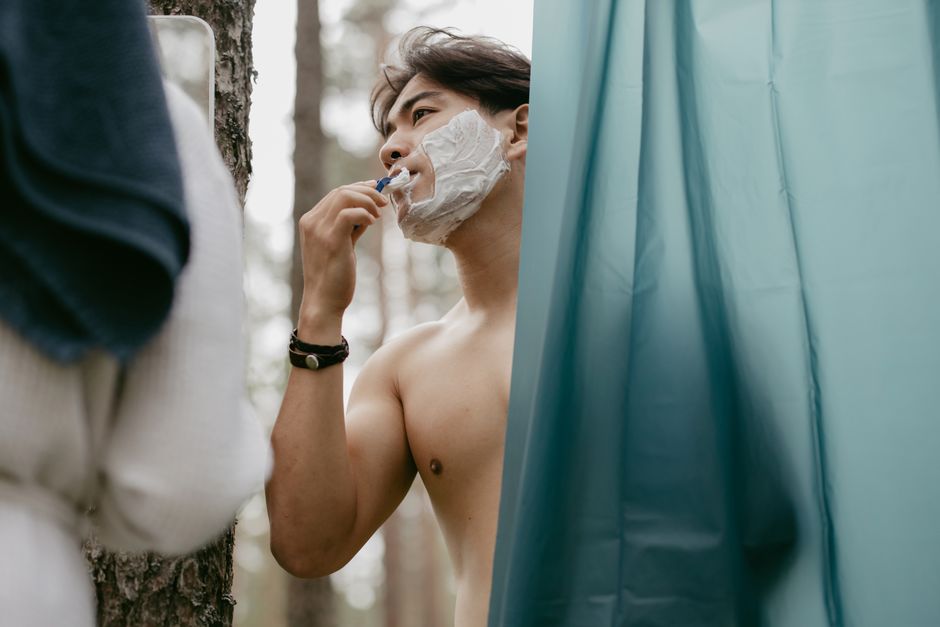
Shaving your chest does not have to end in a red, itchy mess. The irritation that follows a chest shave usually comes from dull blades, dry skin, or hair that is too long when you start. You can avoid most of the discomfort with the right preparation and a few simple habits. The key is to soften the hair and skin first, use a sharp blade with light pressure, and care for the skin afterward so it stays calm and moisturized.
Why Does Chest Shaving Cause So Much Itching?
Itching after a chest shave is not random. It is a direct response from your skin to the shave itself.
When you shave, the razor cuts the hair at an angle. The new hair edge is sharp and pointed. As that hair grows back, it pushes against the skin from underneath. On the chest, this is more noticeable than on the face because chest hair is often coarser and the skin is more sensitive.
The second cause is the razor dragging across the skin. Every pass removes a thin layer of dead skin cells along with the hair. That is normal. But if the blade is dull, it pulls and tugs at the hair instead of cutting it cleanly. This micro-trauma inflames the hair follicles, which leads to redness and itching.
Dry skin makes everything worse. If you shave without softening the hair and skin first, the razor has to work harder. That extra friction is what leaves your chest feeling raw and irritated.
How To Shave Your Chest Without Itching Or Irritation
The process matters more than the products. Follow these steps in order and you will reduce most of the irritation before it starts.
Trim first. If your chest hair is longer than about half an inch, do not go straight in with a razor. Use a beard trimmer or body groomer with a guard to shorten the hair first. A razor will clog and drag through long hair, which causes nicks and irritation. Trimming brings the hair down to a length the razor can handle.
Shave in the shower. Warm water softens the hair and opens the pores. Spend at least five minutes in the shower before you shave. This is not a luxury step. It is the difference between cutting soft hair and cutting stiff hair.
Use a fresh, sharp blade. A dull blade is the single biggest cause of razor burn on the chest. Use a new cartridge or a fresh blade for your chest. If you have already used that razor on your face several times, replace it. Chest skin is thinner than facial skin and needs a sharper edge.
Apply a thick shave cream. Do not use bar soap or body wash. They do not provide enough glide. Use a shave cream or gel designed for sensitive skin. Look for one without fragrance or alcohol. Apply it generously and let it sit on the skin for a minute before you start.
Shave with the grain. This is the most important rule. Shave in the direction the hair grows, not against it. Shaving against the grain gives a closer shave, but it also increases the risk of ingrown hairs, razor burn, and itching. On the chest, the hair usually grows downward or outward from the center. Use short, light strokes and rinse the blade after every pass.
Do not stretch the skin. On the face, pulling the skin tight helps get a closer shave. On the chest, it does the opposite. It makes the skin more prone to cuts and irritation. Let the skin stay relaxed and let the razor do the work.
What To Do After You Shave
Post-shave care is where most people skip the steps that prevent itching.
Rinse your chest with cool water after you finish shaving. Cool water closes the pores and calms the skin. Pat the area dry with a clean towel. Do not rub. Rubbing freshly shaved skin adds friction and irritation.
Apply a moisturizer within a few minutes of drying. The shave removed the top layer of dead skin and stripped some natural oils. Moisturizer replaces that barrier. Use a fragrance-free lotion or a gentle body oil. Avoid products with alcohol, which will sting and dry the skin further.
For the next 24 hours, skip anything that could irritate the area. That means no harsh exfoliants, no heavy gym sessions that cause sweat to pool on the chest, and no tight synthetic shirts. Loose cotton lets the skin breathe.
If you already have some redness or itching, a cool compress can help. You can also apply a thin layer of aloe vera gel. Some research supports aloe vera for soothing irritated skin, though results vary by product. If the irritation lasts more than a few days or shows signs of infection like pus or spreading redness, see a doctor.





How To Prevent Ingrown Hairs On Your Chest
Ingrown hairs are a common reason men stop shaving their chest. They happen when the sharp tip of a shaved hair curls back and grows into the skin.
Exfoliating regularly helps. Use a gentle body scrub or a soft washcloth two to three times a week. This removes dead skin cells that can trap hairs under the surface. Do not exfoliate on the same day you shave. Give your skin a day to recover first.
Moisturizing daily also reduces ingrown hairs. Well-hydrated skin is softer and allows hairs to grow out straight instead of curling back under.
If you do get an ingrown hair, do not pick at it. Picking increases the risk of infection and scarring. A warm compress can help bring it to the surface. If it does not resolve on its own, a dermatologist can remove it safely.
Should You Use An Electric Razor Or A Manual Razor?
Both options work. The choice depends on your skin and your priorities.
An electric razor or body groomer is gentler on the skin because the blade does not make direct contact. It is a good option if you have sensitive skin or a history of razor burn. The trade-off is that the shave is not as close. You will have visible stubble rather than a smooth finish.
A manual razor gives a closer shave and smoother feel. It also carries a higher risk of irritation if you use poor technique. If you choose a manual razor, the preparation steps above matter even more.
Some men use a trimmer with a very short guard instead of shaving completely. This leaves a light stubble that looks groomed but avoids the skin contact that causes itching. It is a practical middle ground if you want the clean look without the irritation risk.
What About Hair Removal Creams?
Hair removal creams dissolve the hair at the skin surface. They can be effective on the chest, but they require caution.
These creams contain chemicals that break down the protein structure of hair. The same chemicals can irritate sensitive skin. Always do a patch test on a small area of skin 24 hours before you use the product on your chest. Follow the timing instructions exactly. Leaving the cream on too long can cause chemical burns.
Do not use hair removal creams on broken or irritated skin. If you have a history of allergic reactions to depilatory products, skip them entirely. The risk of a reaction on the chest is not worth the convenience.
Common Mistakes That Cause Chest Shave Itching
Most chest shave problems trace back to a few repeated errors.
Shaving dry. Shaving without water or shave cream is the fastest way to irritate chest skin. The razor catches on the hair and pulls it before cutting.
Using an old razor. A razor that has been used on your face for weeks is not sharp enough for your chest. Dull blades cause micro-tears in the skin.
Shaving against the grain. This gives a closer shave but dramatically increases irritation and ingrown hairs. Shave with the grain and accept a slightly less close result.
Skipping moisturizer. Your chest needs moisture after a shave. Skipping this step leaves the skin dry and tight, which turns into itching within hours.
Shaving too often. Shaving every day gives your skin no time to recover. Wait at least two to three days between shaves. Your skin needs that time to rebuild its barrier.
Frequently Asked Questions
How long does chest shave itching last?
Mild itching usually lasts one to three days as the hair starts to grow back. If itching lasts longer than a week or gets worse, it may be an ingrown hair or infection and you should see a doctor.
Does shaving your chest make the hair grow back thicker?
No. Shaving does not change hair thickness or growth rate. The blunt tip of a shaved hair can feel coarser, but the hair itself is the same as before.
Should I use aftershave on my chest after shaving?
No. Most aftershaves contain alcohol, which dries and irritates chest skin. Use a fragrance-free moisturizer instead.
Can I shave my chest every day?
You can, but it is not recommended. Daily shaving does not give your skin time to recover and increases the risk of razor burn and ingrown hairs. Waiting two to three days between shaves is better for your skin.
