
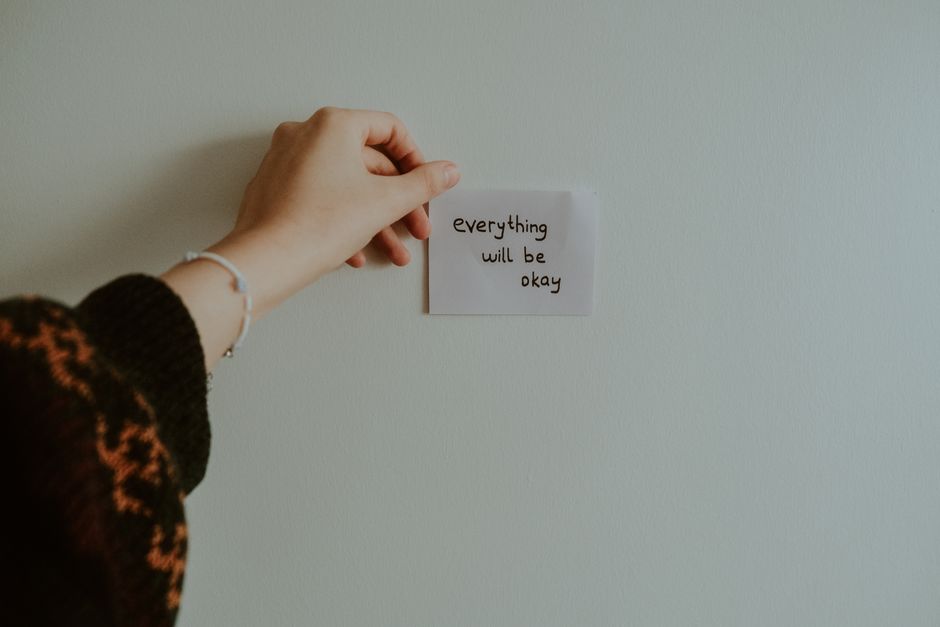
Optimism is not a personality trait you are born with. It is a set of thinking and behavior patterns you can learn and practice. Research on learned optimism, much of it building on work by psychologist Martin Seligman, shows that how you explain events to yourself — especially setbacks — shapes your mood, motivation, and even your health. The steps below are simple, repeatable, and supported by decades of psychological research.
What Is Optimism, Really?
Optimism is an expectation that good things are likely and that you have some control over outcomes. It is not the belief that everything will always work out. That is closer to blind positivity, and it can actually backfire.
Psychologists often separate two types. Dispositional optimism is a general expectation that good things will happen. Explanatory style is how you explain why events occur. The second one is where most of the practical work happens, because it is changeable.
An optimistic explanatory style treats setbacks as temporary, specific, and not entirely your fault. A pessimistic style treats them as permanent, universal, and personal. If you fail a test, the pessimistic story is “I am bad at everything and always will be.” The optimistic story is “I did not prepare well for this one test, and I can change that.”
That difference sounds small. Over years, it is not. It affects how quickly you try again, how you handle stress, and how you treat your own body.
How To Practice Optimism Simple Science Backed Steps?
The core method is catching a pessimistic thought, testing it against evidence, and generating a more accurate one. This is the basis of cognitive behavioral therapy, which is one of the most studied approaches in mental health.
Here is the practice in five steps.
- Catch it. Notice when your mood drops. Ask what you just told yourself. The thought is usually fast and automatic.
- Name the distortion. Common ones include all-or-nothing thinking, catastrophizing, and mind reading.
- Ask for evidence. What facts support this thought? What facts contradict it? Most automatic thoughts do not survive this step.
- Find the most likely outcome. Not the best case. The most realistic one.
- Write a balanced version. A sentence that is honest and less absolute than the original.
Do this on paper at first. Writing slows the mind down enough to actually examine the thought instead of just feeling it.
A note on accuracy: the goal is not to replace a negative thought with a positive one. It is to replace it with a more accurate one. If you skip that distinction, the practice usually fails, because your brain knows when you are lying to it.
Why Does Gratitude Practice Change How You Feel?
Gratitude is one of the more studied optimism practices. Writing down things you are thankful for appears to shift attention toward what is going well, which is the opposite of what pessimistic thinking trains you to notice.
Some studies suggest regular gratitude journaling is associated with improved mood and greater satisfaction with life. The evidence is not uniform, and effects are generally modest. It is not a treatment for depression. It is a low-cost habit that helps some people.
The practice works better with specifics. “I am grateful for my family” does little. “I am grateful my sister called me back today when I was worried” gives your attention something concrete to hold.
Frequency matters less than consistency. A few times a week tends to be more sustainable than daily for many people, and forcing it can make it feel hollow.





Does Optimism Actually Affect Physical Health?
Yes, but the size and cause of the effect are debated. This is where honesty matters more than encouragement.
Several large observational studies have found that people who score higher on optimism measures tend to have better cardiovascular outcomes and, in some studies, longer lifespans. Observational means researchers watched people over time rather than assigning them to be optimistic or pessimistic. That design cannot prove optimism caused the outcome.
Optimism is also linked to health behaviors. People who expect good things tend to exercise more, eat better, and follow medical advice. Those behaviors plausibly explain part of the health link. The biology may matter too, but it is harder to isolate.
What we can say with confidence: optimism is associated with better health outcomes in large studies. What we cannot say: that practicing optimism will add a specific number of years to your life. No study supports a precise figure like that.
Can You Become More Optimistic As An Adult?
Yes. Learned optimism is the whole premise, and it has been tested. Programs based on cognitive behavioral techniques have shown measurable shifts in explanatory style and mood in adults.
The effects are real but not magical. People do not flip from deeply pessimistic to relentlessly upbeat. They become more flexible. They recover from setbacks faster and spend less time in the spiral.
Two things make the change stick. One is repetition. A single exercise does not rewire anything. The other is applying it during real stress, not just in calm moments. The skill is built when you use it on the thing that actually upset you.
If pessimism is tied to depression or anxiety, self-help practices are a supplement, not a replacement. A licensed therapist can help, and cognitive behavioral therapy has strong evidence behind it for these conditions.
What Gets In The Way Of Practicing Optimism?
Several things trip people up. Knowing them in advance helps.
- Toxic positivity. Insisting everything is fine when it is not. This suppresses real emotion and tends to make things worse.
- Expecting instant change. Thought patterns took years to form. They do not dissolve in a week.
- Confusing optimism with denial. Ignoring a real problem is not optimism. It is avoidance.
- Doing it alone in your head. Writing, or talking it through with someone, works better than silent rumination.
One more obstacle is worth naming. Some people believe optimism means lowering your standards or accepting bad situations. The opposite is true. Optimism is what makes people more likely to try to change a bad situation, because they believe the effort can matter.
How Long Before You Notice A Difference?
Small shifts in mood can show up within a few weeks of consistent practice. Durable change in how you automatically interpret events generally takes longer.
Be skeptical of any source that promises a specific timeline. Individual variation is large, and the research does not support a fixed number of days for everyone.
The most reliable sign of progress is not feeling happy all the time. It is noticing a pessimistic thought and being able to question it instead of believing it outright. That gap between thought and belief is where the change lives.
Frequently Asked Questions
Is optimism something you are born with or can you learn it?
Both genetics and environment play a role, but optimism can be learned and practiced at any age. Research on learned optimism shows that cognitive techniques can shift how people explain events to themselves.
What is the fastest way to start practicing optimism today?
Write down one pessimistic thought you had today, list the evidence for and against it, and write a more balanced version. This single exercise is the core of the most studied optimism training.
Does being optimistic really make you healthier?
Large observational studies link higher optimism scores with better cardiovascular outcomes and longer lifespan, but these studies cannot prove cause and effect. Health behaviors likely explain part of the link.
Is optimism the same as positive thinking?
No. Positive thinking often ignores problems, while optimism is about expecting that effort can improve outcomes. Optimism is realistic and problem-focused, not a refusal to see difficulty.
