
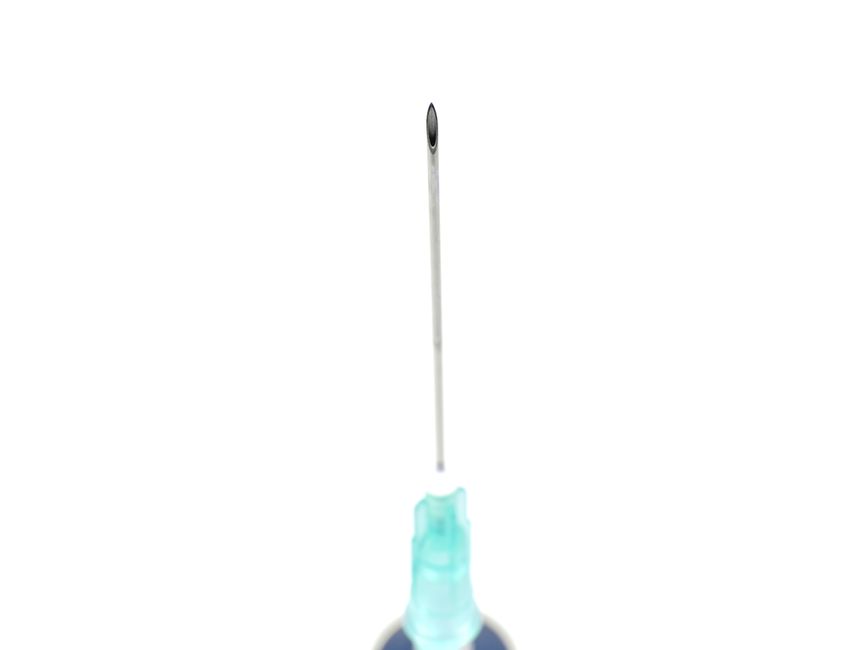
Sanitizing a needle at home carries real risks, and the only fully safe approach is to use a new, sterile needle from a sealed package. If you are in a situation where reusing a needle is the only option, the steps below reduce—but do not eliminate—the risk of infection. This guide covers the practical process for cleaning a needle, what actually works, and why professional sterilization is different from what you can do at home.
What Is the Difference Between Cleaning and Sterilizing a Needle?
Cleaning removes visible dirt, blood, and debris. Sterilizing kills all microorganisms, including bacteria, viruses, and fungi. These are not the same thing.
Wiping a needle with alcohol is cleaning. It reduces some germs but does not reliably kill everything, especially hepatitis C or other hardy viruses. True sterilization requires heat, pressure, or specific chemicals that destroy all microbial life. Most home methods fall short of true sterilization.
This distinction matters because even a tiny amount of contaminated blood left on a needle can transmit disease. The goal of every step below is to remove as much contamination as possible, knowing that perfection is not achievable at home.
Step By Step: How To Sanitize Needles at Home
These steps assume you have no access to a new needle and must reuse one. Gather supplies first: clean water, soap or dish detergent, rubbing alcohol (70% isopropyl), and a clean container. Do not rush this process.
- Rinse the needle immediately. Flush the inside and outside with cool, clean water. Hot water can cause blood proteins to stick and harden, making removal harder. Hold the needle with the point down and run water through the hub.
- Wash with soap and water. Fill a clean container with warm water and add a few drops of dish soap. Draw the soapy water up into the syringe and expel it repeatedly. This flushes blood and debris from the inside. Wipe the outside of the needle with a soapy cloth or your fingers, being careful of the point.
- Rinse thoroughly. Repeat the draw-and-expel process with clean water several times. Visible blood should be completely gone. If any remains, repeat step 2.
- Soak in rubbing alcohol. Place the needle and syringe in a container of 70% isopropyl alcohol. Let it soak for at least 30 minutes. Alcohol kills many bacteria and some viruses, but it does not reliably kill hepatitis C or bacterial spores. It is the best chemical option available at home, but it is not a guarantee.
- Air dry completely. Remove the needle from the alcohol and let it dry on a clean surface. Do not wipe it dry with a towel—towels can reintroduce germs. Alcohol must evaporate fully before the needle is used.
- Use once and discard. If you must reuse a needle, use it only one additional time. Every reuse increases the risk of infection and dulls the needle, making injection more painful and damaging to tissue.
This process is the best available home method, but it is not equivalent to sterilization. The safest choice is always a new, sterile needle.
Does Boiling a Needle Sterilize It?
Boiling is a common home method, and it does kill many germs. Place the needle in boiling water for at least 20 minutes. This kills most bacteria and viruses, but it does not reliably kill bacterial spores, which are highly resistant to heat.
Boiling has another problem: it can damage the needle. Heat can dull the point, and repeated boiling can weaken the metal. A dull needle causes more tissue damage and increases infection risk. Boiling also does not clean the inside of the needle well unless you actively flush water through it.
If you choose boiling, do it after washing the needle with soap and water, not instead of washing. Boiling cannot remove blood or debris—it only kills germs.




Does Bleach Sanitize a Needle?
Bleach is a powerful disinfectant, and it can kill many viruses, including hepatitis B and HIV, when used correctly. However, bleach is corrosive to metal. Soaking a needle in bleach can damage it and leave residues that are dangerous to inject.
If bleach is the only option, use a 1:10 dilution—one part bleach to nine parts water. Soak the needle for at least 30 minutes. Then rinse it thoroughly with sterile water or clean, boiled, cooled water. Any bleach left in the needle will cause pain and tissue damage when injected.
Bleach does not reliably kill hepatitis C. It is a harm-reduction measure, not a safe sterilization method. The evidence on bleach and hepatitis C is mixed, and some studies suggest bleach may not fully inactivate the virus in blood-contaminated needles.
What About Alcohol Wipes or Hydrogen Peroxide?
Alcohol wipes are useful for cleaning the skin before an injection, but they are not sufficient for sanitizing a needle. A quick wipe does not remove blood from inside the needle, and it does not kill all viruses.
Hydrogen peroxide bubbles when it contacts blood and can help loosen debris. It has some antimicrobial effect, but it is not a reliable sterilant for needles. Peroxide can also damage the needle over time.
Neither method alone is adequate. If you have nothing else, alcohol is better than nothing, but it is not a substitute for the full wash, soak, and rinse process described above.
Why Professional Sterilization Is Different
Medical facilities use autoclaves—machines that apply steam under pressure at temperatures around 121°C (250°F) for 15 to 30 minutes. This process kills all microorganisms, including bacterial spores. Autoclaving is the gold standard for sterilization.
Home methods cannot replicate this. No amount of alcohol, bleach, or boiling achieves the same level of certainty. Even in a hospital, needles are single-use items because they cannot be reliably sterilized after use without damaging them.
This is why needle exchange programs and pharmacies that sell sterile syringes are the safer alternatives. If you inject regularly, accessing clean supplies is the most effective way to prevent infection.
What Infections Can a Dirty Needle Cause?
Reusing needles carries a range of risks, from local infections to life-threatening diseases. The most serious are bloodborne viruses.
- Hepatitis C: The most common bloodborne infection among people who inject drugs. It is highly contagious through shared needles and can cause chronic liver disease.
- Hepatitis B: Also transmitted through blood. It is preventable with a vaccine, but it can cause serious liver damage.
- HIV: Less easily transmitted than hepatitis C but still a serious risk with shared needles.
- Bacterial infections: Skin infections, abscesses, and bloodstream infections can occur when bacteria enter the body through a dirty needle.
- Sepsis: A severe, life-threatening response to infection that can develop quickly after injecting with a contaminated needle.
No home sanitizing method completely eliminates these risks. The only reliable protection is using a new, sterile needle every time.
Frequently Asked Questions
Can I sanitize a needle with rubbing alcohol?
Rubbing alcohol reduces bacteria and some viruses, but it does not reliably kill hepatitis C or bacterial spores. It is better than nothing, but a full wash, soak, and rinse process is necessary if reuse is unavoidable.
How long should I boil a needle to sterilize it?
Boiling for at least 20 minutes kills most bacteria and viruses, but it does not kill bacterial spores. Boiling is not equivalent to professional sterilization, and it can dull the needle.
Is it safe to reuse my own needles?
No. Reusing any needle, even your own, increases the risk of bacterial infection and can damage tissue. The needle dulls with each use, and bacteria can grow in the syringe between uses.
Where can I get clean needles?
Pharmacies in many states sell sterile syringes without a prescription, and needle exchange programs provide clean supplies at no cost. These are the safest options for anyone who injects regularly.
The bottom line is simple: no home method fully sterilizes a needle. The steps in this guide reduce risk, but they do not eliminate it. If you must reuse a needle, clean it thoroughly, use it once, and make every effort to access sterile supplies for the future.
