
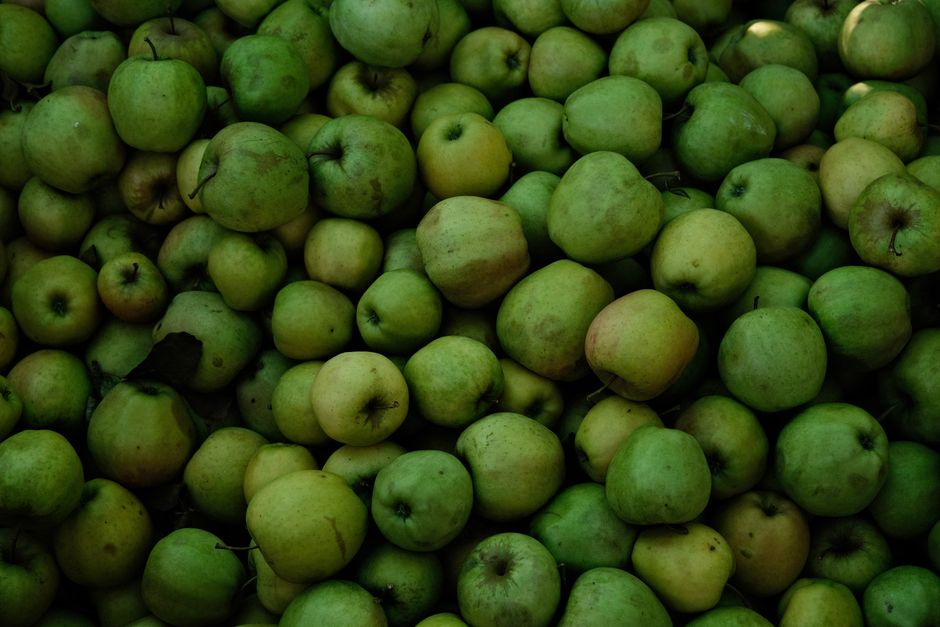
Apples picked straight from the tree are often hard, tart, and starchy. That is normal. Many apple varieties need days or even weeks after harvest to soften and sweeten into something worth eating. The fastest reliable way to ripen them is to keep them at room temperature and let them sit near ripe bananas or other ripe fruit, which release a natural ripening gas called ethylene. Cold storage slows that process down. Warmth speeds it up.
How To Ripen Apples Quickly After Picking
Ripening is a chemical process, not just a matter of waiting. During ripening, starches convert to sugars, acids break down, and the fruit softens as pectin in the cell walls changes. Ethylene gas drives much of this. Apples produce ethylene on their own, and exposure to more of it accelerates the changes.
To ripen apples faster, use these steps:
- Leave them at room temperature, ideally between 65°F and 75°F. Warmth speeds up the enzymes that convert starch to sugar.
- Place them in a paper bag with a ripe banana, a ripe apple, or a ripe pear. The ripe fruit adds ethylene to the enclosed space.
- Fold the bag closed but not airtight. Some airflow prevents mold.
- Check daily. Most apples soften noticeably within two to five days, depending on variety and how mature they were at harvest.
A paper bag works better than a sealed plastic bag. Plastic traps moisture, which encourages rot. Paper holds some ethylene while letting excess moisture escape. If you only have plastic, poke a few holes in it.
One detail that surprises many people: an apple that is already fully ripe produces less ethylene than a ripening one, so a ripe banana is usually the stronger partner in the bag. Bananas are known for high ethylene output.
Why Do Apples Ripen Faster in a Paper Bag?
The bag traps ethylene gas around the fruit instead of letting it drift away into the room. Ethylene is a gas, so in open air it disperses quickly. In a closed space, the concentration rises, and the apples respond by ripening faster.
This is the same principle commercial growers use. They store apples in controlled-atmosphere rooms where they manage oxygen, carbon dioxide, and ethylene levels to slow ripening for months. Home ripening works the same way in reverse. You want to raise ethylene, not lower it.
Temperature matters as much as the bag. Ethylene activity and the enzymes behind ripening both speed up in warmth. An apple on a cool counter at 55°F will ripen much more slowly than one at 70°F. That is why refrigeration is the wrong move when you want faster ripening.
Does Refrigeration Ripen or Slow Apples?
Refrigeration slows ripening. Cold temperatures reduce the activity of the enzymes that break down starch and soften the fruit, so apples stay firm and less sweet for longer. This is exactly why grocery stores and home cooks refrigerate apples they want to keep crisp.
If you want an apple to ripen quickly, take it out of the cold. Let it sit at room temperature. If it has been refrigerated for a while, the ripening process is not dead, just paused. It will resume once the fruit warms up.
There is a trade-off worth knowing. Once an apple is ripe and you like its texture, moving it back to the refrigerator slows further change. That helps you avoid an apple going from crisp to mealy in a day or two.





Which Apple Varieties Ripen After Picking?
Not all apples behave the same way. Some varieties continue to ripen and improve after harvest. Others are at their best the moment they are picked and mostly decline from there.
Varieties that tend to ripen and sweeten after picking include:
- McIntosh
- Golden Delicious
- Gala
- Jonagold
- Fuji
Varieties that are often best eaten soon after harvest, with less improvement in storage, include many tart cooking apples and some heirloom types. Granny Smith is a common example of an apple that stays firm and tart and does not sweeten dramatically after picking.
This difference comes down to how much starch the apple holds at harvest and how actively it produces ethylene. Apples that are climacteric, meaning they continue ripening after being picked, respond to ethylene and can be pushed along. Apples harvested near full ripeness have less room to change.
How Long Does It Take for Apples to Ripen?
Under warm room conditions with an ethylene partner, most apples soften within two to five days. Without a partner fruit, the same apples might take a week or longer. Cold storage can hold them for weeks or months, depending on the variety and conditions.
Several things affect the timeline:
- Temperature: Warmer rooms ripen faster, up to a point. Extreme heat can damage texture.
- Variety: Some apples change quickly, others barely change at all.
- Maturity at harvest: Apples picked closer to ripe need less time.
- Ethylene exposure: A ripe banana or apple in the bag shortens the wait.
Because these factors vary so much, there is no single number that fits every apple. Check daily and use feel and taste as your guide. A ripe apple gives slightly to gentle pressure near the stem and tastes sweet rather than sharply tart.
Can You Ripen Apples Too Much?
Yes. Past a certain point, ripening turns into spoilage. The same enzymes that soften an apple continue working until the texture becomes mealy and the flesh breaks down. Overripe apples lose their snap and can develop off flavors.
Watch for these signs that an apple has gone too far:
- Mealy, grainy, or mushy flesh
- Wrinkled or greasy-looking skin
- Soft or brown spots
- A fermented or alcohol-like smell
Once an apple is mealy, it will not return to crisp. You can still use it for applesauce, baking, or juice, where texture matters less. For eating fresh, catch it before it crosses that line.
Mold is a separate concern. A moldy apple can spread spoilage to others in the bag. Remove any apple showing fuzz or soft brown decay right away, and do not eat moldy fruit.
Do All Fruits Help Apples Ripen Faster?
Only fruits that produce ethylene will help. Ripe bananas, pears, peaches, and other apples are strong ethylene producers. So are avocados and tomatoes, though they are less commonly paired with apples.
Fruits that do not produce much ethylene will not speed things up. Citrus fruits, grapes, and berries fall into this group. Putting an apple with a bowl of grapes does little for ripening.
It also works in reverse. If you store apples next to vegetables or fruits you want to keep fresh longer, the ethylene from the apples can cause them to spoil faster. This is a real issue in refrigerators. Leafy greens, broccoli, and cucumbers are sensitive to ethylene and can yellow or soften faster when stored near apples.
So the same gas that helps you ripen an apple quickly can work against you elsewhere in the kitchen. Keep ethylene producers and ethylene-sensitive produce apart when you want both to last.
Does Washing Apples Affect Ripening?
Washing removes the natural waxy coating on the apple skin, and that coating helps slow moisture loss. Washing before storage can make apples soften and spoil faster. For ripening purposes, the effect is minor, but the general guidance is to wash apples right before eating, not before storing.
If you plan to ripen apples in a bag for a few days, leave them unwashed until you are ready to eat them. Rinse under running water just before use.
Practical Summary
To ripen apples quickly after picking, keep them warm and give them ethylene. Room temperature plus a paper bag with a ripe banana is the simplest reliable method. Expect noticeable softening in a few days for varieties that ripen after harvest. Refrigeration does the opposite and is best saved for apples you want to keep crisp. Check daily, remove any moldy fruit, and move apples to the fridge once they reach the texture you like.
Frequently Asked Questions
How do you ripen apples fast after picking?
Put them in a paper bag at room temperature with a ripe banana or another ripe apple. The bag traps ethylene gas, which speeds ripening, and most apples soften within a few days.
Do apples ripen faster in the fridge or on the counter?
They ripen faster on the counter. Cold temperatures slow the enzymes that soften fruit and convert starch to sugar, so refrigeration keeps apples firm rather than ripening them.
How long does it take for a picked apple to ripen?
At room temperature with a ripe fruit nearby, most apples soften within two to five days. Without an ethylene partner, it can take a week or longer, and some varieties barely change at all.
Can you ripen apples with bananas?
Yes. Ripe bananas release ethylene gas, and placing them in a paper bag with apples raises the ethylene concentration around the fruit. This is one of the most effective home methods for faster ripening.
