
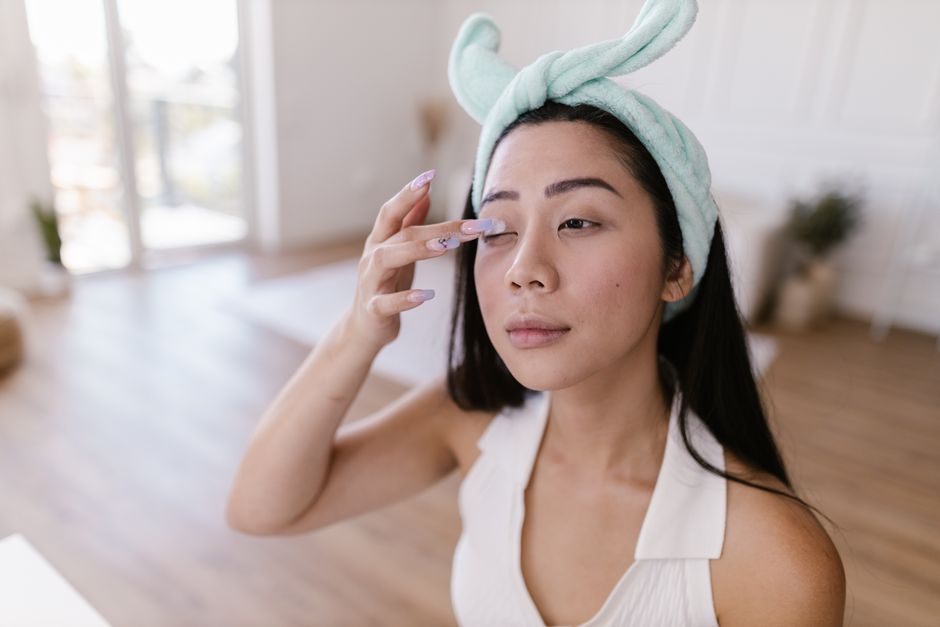
A droopy eyelid after Botox is called ptosis, and it happens when the toxin spreads to a muscle that lifts the eyelid rather than staying in the muscle it was meant to relax. The effect is temporary. Most cases ease on their own within a few weeks as the Botox wears off, and no treatment can instantly reverse it. There is no injection that undoes Botox once it has bound to nerve endings. What you can do is manage the droop while it fades, avoid making it worse, and know when to call the doctor who treated you.
How To Reverse A Droopy Eyelid From Botox: What Actually Works
Nothing reverses Botox directly. The toxin blocks the nerve signal that tells a muscle to contract, and that block has to wear off on its own. So “reversing” really means managing the droop until the effect fades.
A few approaches are used in practice. The most common is prescription apraclonidine eye drops, which are normally used for a different eye condition but can stimulate the eyelid-lifting muscle enough to raise the lid. Some clinicians also use an alpha-adrenergic drop called phenylephrine. These drops do not remove the Botox. They work by giving the muscle a different signal to contract, which can temporarily lift the lid.
This is where honesty matters. The evidence for these drops is based mostly on small reports and clinical experience, not large controlled trials. Some clinicians find them helpful. That does not make them a guaranteed fix, and they are not a cure. They may raise the lid a little for a few hours.
Another option some injectors use is a small dose of Botox into a nearby muscle to change the balance of pull on the eyelid. This is a delicate move. It can help, or it can make things worse, which is why it should only be done by someone experienced with the anatomy around the eye.
What does not work: waiting for a pill, rubbing the area, or trying to “flush” the Botox out. There is no evidence that any home remedy speeds up how fast the body clears the toxin.
Why Does Botox Cause A Droopy Eyelid?
Botox works by blocking the release of a chemical messenger called acetylcholine at the point where a nerve meets a muscle. When that signal is blocked, the muscle cannot contract. For frown lines, that is exactly what you want. The muscle relaxes and the skin smooths out.
The problem is that the toxin does not always stay where it was placed. It can spread a short distance into nearby tissue. If it reaches the levator palpebrae superioris, the muscle that lifts your upper eyelid, that muscle weakens too. The result is a lid that sits lower than usual.
This is a known risk of Botox around the brow and forehead, not a sign that something rare or mysterious happened. It is also why the risk is higher when larger doses are used, when the injection is placed close to the brow, or when the toxin migrates from the injection site.
One detail people often miss: the droop is not damage. The nerve and muscle are not injured. They are temporarily quieted, and they recover as the toxin is cleared.
How Long Does A Droopy Eyelid From Botox Last?
A Botox-induced droopy eyelid is temporary, and most cases improve over a few weeks. The exact timeline varies from person to person and depends on how much toxin reached the eyelid muscle.
Botox effects generally begin to fade over a period of weeks to a few months, which is why repeat treatments are needed to maintain results. A droopy lid usually follows the same general course. It tends to ease as the toxin’s effect wears off rather than needing active reversal.
Some people see improvement sooner. Others take longer. Because the timeline is not identical for everyone, a clinician who is watching your specific case is the best source for what to expect in your situation.
If the droop is not improving, or if it is getting worse, that is a reason to contact your injector rather than wait it out.





What Can You Do While You Wait For It To Fade?
Practical steps can make the droop less noticeable and reduce strain while it resolves.
- Ask your injector about prescription eye drops that may lift the lid temporarily.
- Use lubricating eye drops if the lid does not close fully and your eye feels dry.
- Avoid rubbing or massaging the area, which will not help and could irritate it.
- Skip another Botox treatment in the same area until the droop has fully resolved.
- Consider glasses over contacts if your eye feels irritated or dry.
If your eye does not close all the way, that matters. An eyelid that cannot fully close can leave the surface of the eye exposed, which can lead to dryness and, in some cases, irritation of the cornea. Tell your doctor if this is happening. It is a reason to be seen, not to wait quietly.
Do not try to “work out” the muscle or use heat or ice as a fix. There is no evidence these change how fast Botox clears.
Can A Droopy Eyelid After Botox Be Prevented?
Prevention starts with the injector, not the patient. The risk of ptosis is tied to how and where the toxin is placed, and how much is used.
Experienced injectors lower the risk by using conservative doses, placing injections away from the muscles that lift the lid, and understanding the anatomy of the brow and eye area. Choosing a qualified, experienced injector is the single most useful step you can take.
Some people are told to avoid lying down or bending over right after treatment. The evidence that this changes the risk of ptosis is limited. It is common advice, but it is not strongly supported by trials, so treat it as precaution rather than proven protection.
If you have had ptosis after Botox before, tell your injector. A prior reaction is useful information for planning the next treatment, and it may change the approach.
When Should You Contact Your Doctor?
Call the clinician who treated you if the droop is significant, if it is getting worse, or if your eye will not close properly. Those are the situations where an exam and possibly treatment are worth considering.
Get urgent care if you have eye pain, changes in vision, a red or irritated eye that is getting worse, or a feeling that something is wrong with your eye. These are not typical Botox droop symptoms and should be checked.
Also contact your doctor if the droop does not improve over the expected course, or if it appears along with other symptoms such as double vision, trouble swallowing, or weakness elsewhere. Those are uncommon with cosmetic Botox but are reasons to be evaluated rather than to assume it is just the injection.
The key point: a droopy eyelid from Botox is usually harmless and temporary, but “usually” is not “always.” When in doubt, ask.
Does Botox Ever Cause Permanent Eyelid Droop?
Permanent droop from cosmetic Botox is not expected. The toxin’s effect is temporary by nature, and the muscle recovers as it clears. That is the established behavior of the drug.
That said, a droop that lasts longer than expected, or one that does not resolve, should be evaluated. It could point to something else going on, or to a larger effect than intended. A doctor can tell the difference.
This is also why the “it will definitely be gone in two weeks” line is not something anyone can promise. Most cases resolve, but the exact timing is individual.
Frequently Asked Questions
How long does a droopy eyelid from Botox last?
Most cases improve over a few weeks as the Botox effect fades. The exact timeline varies by person and by how much toxin reached the eyelid muscle.
Can you reverse a droopy eyelid from Botox fast?
No. Nothing instantly reverses Botox once it has bound to nerve endings. Prescription eye drops may temporarily lift the lid, but they do not remove the toxin.
Do apraclonidine eye drops fix Botox eyelid droop?
They can temporarily raise the eyelid in some people by stimulating the lid-lifting muscle. The evidence for them is based mostly on small reports and clinical experience, not large trials.
Is a droopy eyelid after Botox dangerous?
It is usually temporary and not dangerous. Contact your doctor if your eye will not close fully, or if you have eye pain, vision changes, or worsening irritation.
