
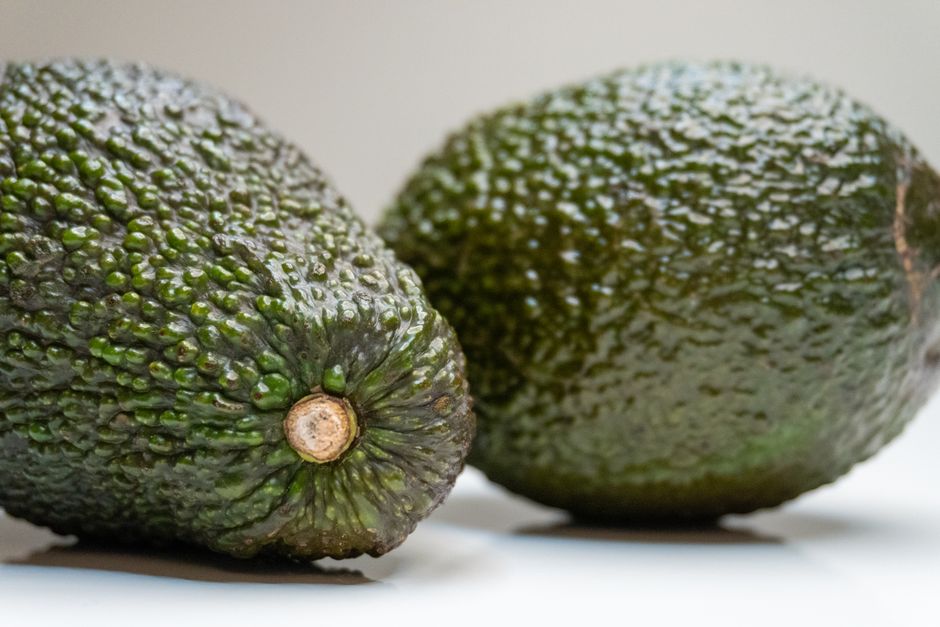
An avocado is a prebiotic food, not a probiotic. It does not contain live beneficial bacteria, so it cannot add microbes to your gut the way yogurt or fermented foods can. Instead, it feeds the bacteria already living there.
That distinction matters more than most people realize. Probiotics and prebiotics work in completely different ways, and confusing them leads to wrong expectations about what any single food can do for your digestion.
What Is the Difference Between Probiotics and Prebiotics?
Probiotics are live microorganisms. When you eat them in sufficient amounts, they can survive the trip through your stomach and reach your intestines alive.
Prebiotics are different. They are non-digestible compounds, mostly specific types of fiber and carbohydrates, that your own body cannot break down. Instead, your gut bacteria ferment them. That fermentation produces short-chain fatty acids like butyrate, acetate, and propionate, which feed the cells lining your colon and influence gut pH.
So the two categories do separate jobs:
- Probiotics introduce live bacteria. Found in fermented foods like yogurt with active cultures, kefir, kimchi, and sauerkraut.
- Prebiotics feed bacteria that are already there. Found in certain fibers, resistant starches, and specific plant compounds.
An avocado fits the second category. It has no live cultures. It has fiber and other compounds your gut bacteria can use as fuel.
One clarification worth making: not every fiber is a prebiotic. To qualify, a fiber has to be selectively fermented by beneficial bacteria and confer a health benefit. Many fibers add bulk and help with regularity without being true prebiotics. Avocado contains both kinds, which is part of why its gut effects are broader than a single mechanism.
What Makes Avocado a Prebiotic Food?
Avocado delivers a mix of fiber and fermentable carbohydrates that gut bacteria can act on. A whole medium avocado provides roughly 10 grams of fiber, according to USDA data, split between soluble and insoluble types.
The soluble fiber is the part that matters most for prebiotic activity. Your gut bacteria ferment it and produce short-chain fatty acids in the process. Those acids are the main way prebiotic fiber exerts its effects on gut health.
Avocado also contains specific compounds that have drawn research interest. One is a type of sugar alcohol called perseitol, along with other fermentable carbohydrates. Some studies suggest these compounds can influence the composition of gut bacteria, though the human evidence is still limited and much of the work has been done in animals or small trials.
Here is the non-obvious part. Avocado’s prebiotic effect is not just about fiber quantity. It is about which bacteria can use what it provides. Different bacteria prefer different fuels. Avocado appears to support certain fiber-fermenting groups, but it is not a broad-spectrum prebiotic that feeds everything equally.
How Does Avocado Affect Gut Bacteria?
When you eat avocado, the fiber and fermentable carbohydrates reach your colon largely intact. There, bacteria break them down through fermentation.
The main products are short-chain fatty acids. Butyrate in particular is the preferred fuel source for the cells lining your colon, and it plays a role in maintaining the gut barrier. Acetate and propionate enter the bloodstream and are involved in other metabolic processes.
This fermentation also lowers the pH in parts of the colon. A slightly more acidic environment tends to favor certain beneficial bacteria over others, which can shift the overall balance of your gut community over time.
What the research does not yet show is a specific, reliable change in gut bacteria from eating avocado in the amounts a typical person eats. Some small human studies have found changes in bacterial populations or in markers like short-chain fatty acid production, but results vary and sample sizes are often small. The honest position is that avocado supports a gut-friendly pattern of eating, but no single food transforms your microbiome on its own.





Does Avocado Contain Any Live Bacteria at All?
No. A fresh avocado has no meaningful population of live probiotic bacteria.
This is true even though avocado has a peel and grows on a tree. The inside flesh is essentially sterile until you cut it open. Any bacteria present on the surface come from handling, the knife, or the environment, and those are not the beneficial strains found in fermented foods.
This is why avocado cannot be called a probiotic. The defining feature of a probiotic is live microorganisms in sufficient numbers to have an effect. Avocado has none.
If you see a product marketed as a “probiotic avocado” or a supplement claiming avocado provides probiotic benefits, that claim does not hold up. The avocado itself is a prebiotic. Any probiotic content would have to come from something added to it.
How Does Avocado Compare to Other Prebiotic Foods?
Avocado is a solid prebiotic food, but it is not the strongest source by fiber content. Foods like chicory root, Jerusalem artichoke, garlic, onions, leeks, and asparagus are richer in specific prebiotic fibers, particularly inulin and oligofructose.
Here is a rough comparison based on USDA fiber data:
| Food | Fiber per typical serving | Main prebiotic type |
|---|---|---|
| Avocado (1 medium) | About 10 g | Mixed soluble and insoluble fiber |
| Chicory root (1 cup) | High | Inulin |
| Jerusalem artichoke (1 cup) | High | Inulin |
| Cooked asparagus (1 cup) | Moderate | Inulin |
| Garlic (1 clove) | Low | Inulin, oligofructose |
The point is not that avocado is inferior. It is that avocado offers a different mix. Its combination of soluble and insoluble fiber, plus its healthy fats, makes it a useful part of an overall gut-friendly diet rather than a targeted prebiotic supplement.
One practical note: prebiotic fibers can cause gas and bloating in some people, especially if you increase them quickly. This applies to avocado too. Some people tolerate it well. Others notice digestive changes when they eat a lot of it.
Can Eating Avocado Improve Your Gut Health?
Avocado can support gut health as part of a varied diet. It provides fiber that feeds gut bacteria, and it supplies healthy monounsaturated fats and potassium.
What it cannot do is fix a poor diet on its own or replace medical treatment for a digestive condition. No single food does that.
The evidence for avocado specifically improving gut health in humans is limited. Most of what we know comes from its fiber content and general principles of how prebiotic fiber works, not from large trials showing avocado changes health outcomes. That does not make avocado useless. It means the honest claim is that avocado fits into a gut-friendly eating pattern, not that it delivers proven gut health benefits by itself.
If your goal is a healthier gut, the bigger factors are eating a wide range of plant fibers, getting enough overall fiber, and maintaining variety in your diet. Avocado can be one part of that. It is not the whole answer.
Is Avocado Good for Gut Health If You Have IBS?
Avocado can be a problem for some people with irritable bowel syndrome. It contains sorbitol and other fermentable carbohydrates that fall into the FODMAP category, which can trigger symptoms in sensitive individuals.
Portion size matters here. Small amounts of avocado are often tolerated, while larger amounts cause symptoms for some people. If you have IBS, how you respond to avocado is individual, and it is worth tracking your own reactions rather than assuming it is safe or unsafe for you.
This is a case where general advice gives way to personal experience. A food that helps one person’s gut can bother another’s.
Frequently Asked Questions
Is avocado a probiotic or prebiotic?
Avocado is a prebiotic, not a probiotic. It contains no live beneficial bacteria, but its fiber feeds the bacteria already living in your gut.
Does avocado have live cultures like yogurt?
No. Fresh avocado flesh has no meaningful live bacterial cultures. The beneficial bacteria in probiotics come from fermented foods, not from avocado.
How much avocado should I eat for gut health?
There is no established clinical guideline for a specific amount of avocado for gut health. A typical serving is about one-third of a medium avocado, and overall dietary fiber intake matters more than any single food.
Can avocado cause bloating or gas?
Yes, it can for some people. Avocado contains fermentable carbohydrates that can cause gas and bloating, especially in people with IBS or those who eat large amounts.
