
Your mouth hosts one of the most diverse microbial communities in the human body. Hundreds of bacterial species live on your teeth, tongue, gums, and cheeks. The goal is not to wipe them out. It is to keep the helpful ones dominant so the harmful ones cannot take over.
Replenishing good bacteria in your mouth comes down to a few consistent habits. You feed the beneficial species, avoid killing them off with harsh products, and keep the environment balanced through saliva flow, oral hygiene, and diet. There is no single supplement or rinse that rebuilds this community overnight. The evidence points to daily routine, not quick fixes.
What Is The Oral Microbiome And Why Does It Matter?
The oral microbiome is the collection of bacteria, fungi, and other microorganisms living in your mouth. Researchers have identified hundreds of bacterial species in the average mouth. Most are harmless or helpful. A smaller group can cause disease when conditions shift in their favor.
This community is not passive. Beneficial bacteria help break down food, support digestion, and compete with harmful species for space and nutrients. Some oral bacteria convert dietary nitrate into nitrite, which the body then uses to produce nitric oxide. Nitric oxide helps regulate blood pressure and blood flow. This is one reason the oral microbiome matters beyond your teeth.
Problems start when the balance tips. If acid-producing bacteria like Streptococcus mutans multiply, they erode tooth enamel and cause cavities. If gum-disease bacteria overgrow in the pockets around teeth, they trigger inflammation that damages gum tissue and bone. The bacteria are not foreign invaders. They are already there, waiting for the right conditions.
Saliva is a major regulator. It washes away food particles, neutralizes acid, and carries antimicrobial compounds. When saliva flow drops — from medication, dehydration, or mouth breathing — harmful bacteria gain an advantage.
How To Replenish Good Bacteria In Your Mouth
Rebuilding a healthy oral microbiome means creating conditions where beneficial bacteria can thrive. You cannot transplant a new community the way you might with gut bacteria. What you can do is stop disrupting the good bacteria and give them what they need.
Here are the approaches with the most support:
- Eat fermented foods. Yogurt with live cultures, kefir, and fermented vegetables contain live bacteria. Some research suggests these may support oral microbial balance, though direct evidence for oral health outcomes is still limited.
- Feed beneficial bacteria with fiber. Vegetables, whole grains, and legumes provide prebiotic fiber that beneficial oral bacteria can use.
- Limit sugar frequency. It is not just how much sugar you eat but how often. Constant snacking keeps acid levels high and favors cavity-causing bacteria.
- Stay hydrated. Water supports saliva flow, which is your mouth’s natural cleaning system.
- Avoid unnecessary antibacterial mouthwash. Many rinses kill a broad range of bacteria, including the helpful ones.
- Chew sugar-free gum with xylitol. Xylitol can reduce cavity-causing bacteria and stimulate saliva.
None of these steps work instantly. The oral microbiome shifts gradually. Consistency over weeks and months matters more than any single action.
Do Probiotics Actually Work For Oral Health?
Oral probiotics are a growing market, but the evidence is uneven. Some strains have shown promise in studies for reducing cavity-causing bacteria or improving gum health. Others have no supporting data at all.
Two strains that appear in oral probiotic research are Streptococcus salivarius K12 and Lactobacillus reuteri. Some studies suggest these may help reduce harmful bacteria or support gum health. But most studies are small, short-term, or use different formulations. Results vary.
The honest position: oral probiotics are not yet a proven treatment for most oral health conditions. They may help in specific situations, but they are not a substitute for brushing, flossing, and regular dental care. No clinical guidelines currently recommend a specific probiotic strain or dose for general oral health.
If you want to try an oral probiotic, understand that you are experimenting. There is no guarantee it will change your oral microbiome in a meaningful way.




Which Mouthwashes And Toothpastes Help Or Hurt?
This is where many people accidentally work against their own oral bacteria. Antibacterial mouthwashes are effective at killing bacteria. The problem is they do not discriminate.
Chlorhexidine, a prescription-strength rinse, is one of the most effective antibacterial mouthwashes available. Dentists recommend it for short-term use after surgery or for specific gum conditions. Long-term use can stain teeth, alter taste, and disrupt the oral microbiome. It is not meant for daily maintenance.
Alcohol-based mouthwashes can dry out oral tissues and reduce saliva flow. Less saliva means less natural protection. Some people use these rinses daily without realizing they may be making their mouth more vulnerable over time.
For most people, the evidence does not support routine antibacterial mouthwash use for cavity prevention. Brushing with fluoride toothpaste and cleaning between teeth does more for oral health than any rinse.
Fluoride toothpaste is different. Fluoride strengthens enamel and makes it harder for acid to damage it. This is one of the most well-established findings in dentistry. It does not directly replenish good bacteria, but it protects the environment they live in.
Does Diet Change Your Oral Bacteria?
Diet shapes your oral microbiome more than most people realize. What you eat feeds specific bacteria. Change your diet, and you change which species thrive.
Sugar is the clearest example. Cavity-causing bacteria ferment sugar and produce acid. Every time you eat sugar, acid levels in your mouth rise for a period. If you eat sugar frequently, your mouth stays acidic, and enamel breaks down faster.
Fiber-rich foods work differently. They require more chewing, which stimulates saliva. Saliva buffers acid and carries minerals that help repair early enamel damage. Vegetables, nuts, and whole grains support this process.
Fermented foods may introduce beneficial bacteria, but it is not clear how many of them colonize the mouth versus the gut. Some research suggests fermented dairy may support oral health, but the evidence is not strong enough to make firm recommendations.
One non-obvious point: nitrate-rich vegetables like spinach, beets, and lettuce feed certain oral bacteria that produce nitrite. This is part of how these vegetables may support blood pressure and cardiovascular health. The relationship between oral bacteria and whole-body health is an active area of research.
What Daily Habits Protect Your Oral Bacteria?
Your daily routine has more influence on your oral microbiome than any single product. Small habits repeated consistently matter more than occasional efforts.
Here is what the evidence supports:
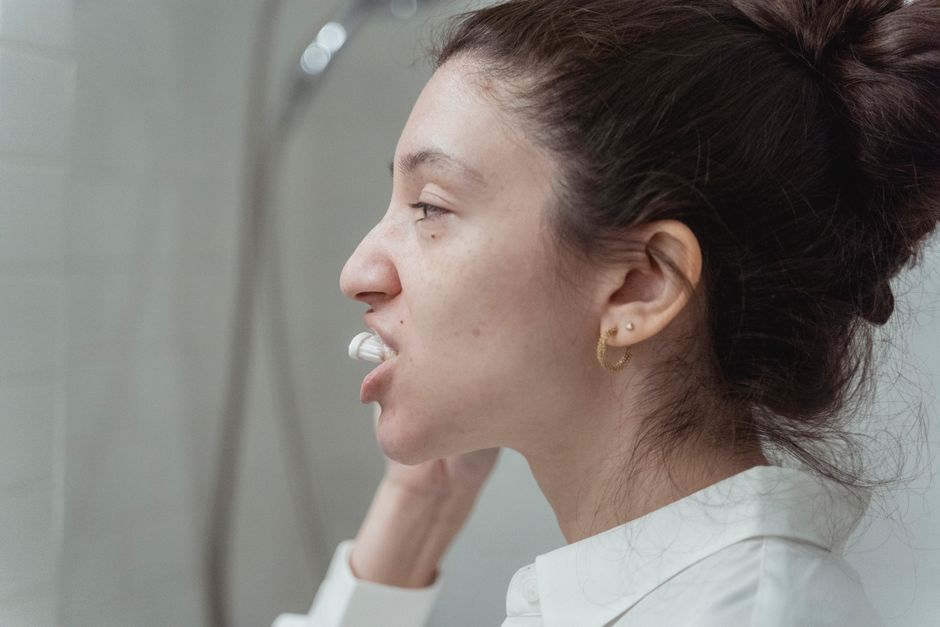
- Brush twice daily with fluoride toothpaste. This is the foundation of oral care. It removes plaque and protects enamel.
- Clean between teeth once a day. Floss or interdental brushes reach areas a toothbrush cannot. Gum disease starts in these spaces.
- Do not brush immediately after acidic food or drink. Acid softens enamel temporarily. Waiting a short time before brushing reduces wear.
- Drink water throughout the day. This supports saliva flow and helps clear food particles.
- Avoid tobacco. Smoking and chewing tobacco disrupt the oral microbiome and increase risk of gum disease and oral cancer.
- Manage dry mouth. If medications or health conditions reduce saliva, talk to a dentist or doctor about options.
These habits do not “add” good bacteria directly. They create conditions where beneficial bacteria can maintain their numbers and harmful ones stay in check.
When Should You See A Dentist?
Persistent bad breath, bleeding gums, loose teeth, or pain when chewing are signs that something is wrong. These symptoms do not resolve on their own and often indicate an imbalance that has already caused damage.
Gum disease is common and treatable, especially when caught early. A dentist can assess your gum health, remove hardened plaque, and recommend treatment. No probiotic or dietary change can reverse existing gum disease or cavities.
Regular dental visits — typically every six months, though your dentist may recommend a different schedule — help catch problems before they become serious. Professional cleanings remove tartar that brushing cannot.
Frequently Asked Questions
Can I replenish good bacteria in my mouth naturally?
Yes, through diet and daily habits. Eating fiber-rich foods, fermented foods, staying hydrated, and avoiding unnecessary antibacterial products all support a healthier oral microbiome over time.
Do oral probiotics really work?
The evidence is mixed. Some strains show promise in small studies, but no clinical guidelines currently recommend a specific probiotic for general oral health.
Does mouthwash kill good bacteria too?
Yes, many antibacterial mouthwashes kill a broad range of bacteria, including beneficial species. For most people, routine use is not necessary and may disrupt the oral microbiome.
How long does it take to improve oral bacteria?
The oral microbiome can shift within days to weeks of changing habits, but lasting change requires consistent effort. There is no fixed timeline that applies to everyone.
