
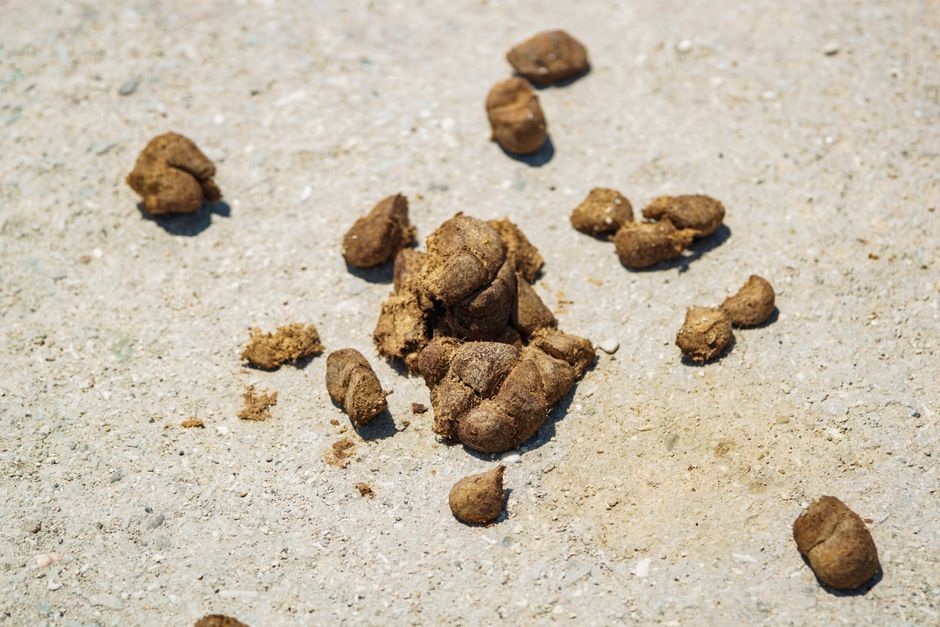
Feces gets its brown color mainly from bile pigments that bacteria in the gut chemically change. Your liver makes a yellow-green fluid called bile to help digest fats. Gut bacteria then convert the bile pigments in that fluid into a brown substance called stercobilin, and stercobilin is what gives stool its familiar brown shade. Without those bacteria, stool would not look brown at all.
What Gives Feces Its Brown Color Bile And Bacteria?
The color comes from two things working together: bile made by your liver, and bacteria living in your large intestine.
Bile starts out yellow-green. It contains pigments called bilirubin and biliverdin that come from the normal breakdown of old red blood cells. When bile reaches the large intestine, trillions of bacteria get to work on those pigments. They chemically reduce them into compounds called urobilinogen and stercobilinogen.
Stercobilinogen is the key player. As it passes through the colon, it oxidizes into stercobilin — a brown pigment that binds to the stool and gives it color. A related compound called urobilin gives urine its yellow color, which is why the two systems are linked.
This is why the brown color is not simply “in” your food. It is manufactured inside you, by the combined effort of your liver and your gut bacteria.
What Role Does Bile Play in Stool Color?
Bile is the raw material. Your liver produces it continuously, and it is stored and concentrated in the gallbladder between meals.
Bile does two jobs. It helps break down fats in the small intestine, and it carries away waste products — including bilirubin — that the body needs to discard. Bilirubin is a yellowish substance created when old red blood cells are recycled. If the liver could not get rid of it, it would build up in the blood and cause jaundice, a yellowing of the skin and eyes.
So bile is essentially the body’s delivery system for these pigments. It ships bilirubin from the liver to the intestine, where the next stage — the bacterial stage — takes over.
If bile does not reach the intestine, stool loses its brown color. This is a well-established clinical sign, not a theory. When the flow of bile is blocked, stool can turn pale, clay-colored, or gray. That is one reason doctors take pale stool seriously.
How Do Gut Bacteria Turn Bile Brown?
Bacteria do the actual color conversion. Without them, the pigments would stay yellow-green.
The large intestine holds a dense, diverse community of bacteria. Certain species produce enzymes that strip and reshape the bilirubin molecule. This process is called bacterial reduction. The result is a set of colorless compounds that later turn brown when exposed to oxygen in the colon.
This helps explain an observation that surprises many people: babies who are breastfed often have mustard-yellow stool. Their gut bacteria are still developing, and their bacterial community is different from an adult’s. As the gut matures and a more adult-like bacterial population establishes itself, stool gradually becomes brown.
It also explains why stool color can shift after a course of antibiotics. Antibiotics can change the balance of gut bacteria, and when the bacteria that process bile pigments are affected, stool color can change too. This is usually temporary, but it is a real effect and not a coincidence.




Why Does Poop Change Color?
Stool color is a useful signal. Small, short-lived changes are common and usually harmless. Some changes are worth a doctor’s attention.
Common reasons stool color shifts:
- Diet. Beets can cause reddish stool. Dark leafy greens and iron supplements can make stool darker or greenish. Licorice can darken it.
- Medications. Some medicines, including certain antacids and antibiotics, change stool color.
- Speed of transit. When stool moves through the gut quickly, bile pigments may not have time to fully convert, so stool can look green.
- Bile flow problems. Blocked bile ducts can produce pale or clay-colored stool. This is a medical concern.
- Bleeding in the digestive tract. Blood from higher up in the gut can turn stool black and tarry. Blood from lower down can make it bright red.
A single unusual stool is rarely meaningful. A pattern that lasts, or that comes with other symptoms, is what matters.
When Should You Worry About Stool Color?
Pale, black, or bloody stool deserves medical attention. These are not cosmetic changes — they can point to real problems.
Talk to a doctor if you notice:
- Stool that is persistently pale, clay-colored, or gray
- Black, tarry stool that is not explained by iron supplements or certain medications
- Bright red blood in or on the stool
- Any of these along with pain, fever, weight loss, or yellowing of the skin and eyes
Pale stool plus yellow skin or eyes is a combination that needs prompt evaluation. It can indicate that bile is not flowing properly. Black tarry stool can indicate bleeding somewhere in the upper digestive tract. Bright red blood usually points to a source closer to the rectum, such as hemorrhoids, but it can also signal other conditions.
None of these findings tells you the cause on its own. That is why a doctor’s evaluation matters — color is a clue, not a diagnosis.
Does a Healthy Gut Mean Brown Stool?
A brown color generally reflects normal bile flow and a working gut bacterial community. But color alone is not a full picture of gut health.
Healthy stool is usually brown, soft, and well-formed. It should pass without much straining. Color is one piece of information among several, including frequency, consistency, and any accompanying symptoms.
It is worth being clear about what brown stool does and does not tell you. It tells you that bile is reaching your intestine and that bacteria are processing it. It does not tell you that your gut bacteria are optimally balanced, and it does not confirm or rule out any specific digestive condition.
No stool color is a reliable stand-alone indicator of overall health. It is one signal among many, and it is most useful when something changes and stays changed.
Can Diet Change Stool Color Permanently?
Diet changes stool color temporarily, not permanently. Once a food passes through, the color effect fades.
Foods and supplements that can shift stool color include beets, which can cause a red or pink tint; dark green vegetables, which can add a green tone; and iron supplements, which often darken stool. None of these changes are permanent. They reflect what is currently moving through your digestive tract.
The underlying brown color comes from your own bile pigments and bacteria, not from food. That is why a diet change does not rewrite your stool’s baseline color. When the food clears your system, the brown returns.
If a color change does not go away after the suspected food or supplement is stopped, that is a reason to check with a doctor rather than assume it is diet-related.
Frequently Asked Questions
What makes poop brown?
Bile pigments from the liver are converted by gut bacteria into a brown compound called stercobilin, which gives stool its color. Without those bacteria, stool would not be brown.
Why is my poop green sometimes?
Green stool often means food moved through your gut quickly, so bile pigments did not have time to fully turn brown. It can also come from eating large amounts of green vegetables or from some medications.
Is pale or clay-colored stool a problem?
Pale or clay-colored stool can mean bile is not reaching your intestine, which is a reason to see a doctor. It is worth prompt evaluation, especially if it comes with yellowing of the skin or eyes.
Can antibiotics change stool color?
Yes. Antibiotics can alter the gut bacteria that process bile pigments, which can change stool color. This is usually temporary, but a change that persists should be discussed with a doctor.
