
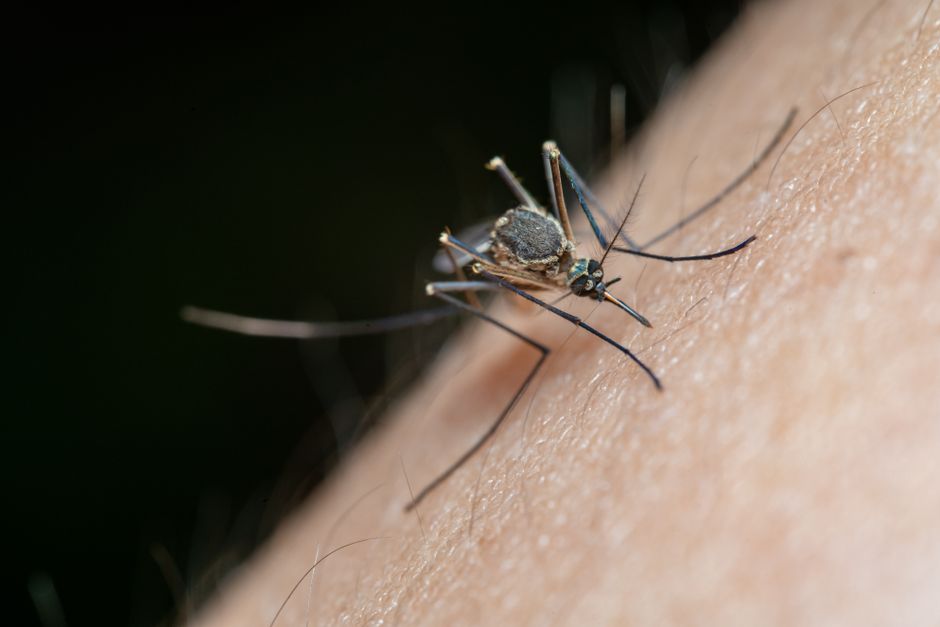
Mosquitoes can ruin an evening outside faster than almost anything else. To repel mosquitoes in your yard, you need to combine source reduction with proven repellents. First, remove standing water. Second, use fans to disrupt their flight. Third, apply EPA-registered repellents containing DEET, picaridin, or oil of lemon eucalyptus. Fourth, treat your yard with barrier sprays or granules only when mosquito pressure is high. Fifth, wear loose long clothing treated with permethrin. This five-step sequence is what actually works according to entomologists — not bug zappers or ultrasonic devices.
How To Repel Mosquitoes In Yard? Step By Step — What Actually Works?
The first step is removing where mosquitoes breed. Most people skip this and wonder why nothing else helps. Female mosquitoes lay eggs in standing water. Even a bottle cap of water can grow hundreds of larvae. The CDC states that eliminating standing water is the single most effective measure you can take.
Walk your yard after rain. Look for clogged gutters, saucers under flower pots, bird baths, kiddie pools, and tarps holding water. Empty them. Scrub bird baths weekly. If you have a rain barrel, cover it with fine mesh. This one step cuts mosquito populations by 50 to 80 percent in your immediate area.
The second step is airflow. Mosquitoes are weak fliers. Research from the Journal of Medical Entomology found that wind speeds above 1 mile per hour significantly reduce mosquito landings. A standard box fan on your patio creates enough breeze to keep most mosquitoes away from a sitting area. Position the fan so it blows across your body, not just into the open air.
Does Removing Standing Water Really Make a Difference?
Yes, and the evidence is strong. A study published in the Journal of the American Mosquito Control Association showed that neighborhoods participating in source reduction programs saw mosquito counts drop by over 60 percent compared to untreated areas. This is not a theory. It is measured data.
The tricky part is that mosquitoes breed in places you do not think about. Bromeliad plants hold water in their leaves. Old tires in a shed collect rain. A child’s forgotten toy can hold enough water for a full generation of mosquitoes. Check these spots every week during warm months.
One clarification people miss: treating standing water with larvicides is not the same as removing it. Larvicides like Bacillus thuringiensis israelensis (Bti) kill larvae but do not remove the water. They work well for large ponds or rain barrels. For small containers, just dump the water. It is faster and free.
What Repellents Actually Keep Mosquitoes Off Your Skin?
The EPA has registered several active ingredients that work. DEET, picaridin, IR3535, and oil of lemon eucalyptus (OLE) are the most studied. A 2022 review in the New England Journal of Medicine ranked DEET and picaridin as the most effective and longest-lasting options.
DEET is the gold standard. Concentrations of 20 to 30 percent provide 4 to 6 hours of protection. Higher concentrations do not work better — they just last longer. Picaridin at 20 percent works similarly and feels less greasy. OLE is plant-based and effective for about 2 hours, but it cannot be used on children under 3 years old.
One common mistake is using wristbands or clip-on devices. The evidence is clear: these do not protect your whole body. A study in the Journal of Insect Science tested several commercial repellent wristbands and found they provided no significant reduction in mosquito bites. Do not rely on them.




Do Bug Zappers and Ultrasonic Devices Work?
No. Bug zappers kill more harmless insects than mosquitoes. Research from the University of Delaware found that over 99 percent of insects killed by bug zappers were not mosquitoes. They attract and kill moths, beetles, and beneficial pollinators. This is not an opinion — it is published entomology.
Ultrasonic devices claim to repel mosquitoes with high-frequency sound. Multiple studies, including a 2015 review in the Journal of Medical Entomology, found no evidence they work. The FTC has even fined companies for making false claims about these devices.
If you want a device that works, use a fan. Or a mosquito trap that emits carbon dioxide. These traps can reduce local populations when placed correctly, but they are expensive and require maintenance. They are not a substitute for source reduction.
How To Treat Your Yard With Barrier Sprays Safely
Barrier sprays are liquid insecticides applied to vegetation where mosquitoes rest. They can provide relief for 2 to 4 weeks. But they kill all insects, including bees. Use them only when mosquito pressure is high and after you have done everything else.
If you choose to use one, look for products containing permethrin, lambda-cyhalothrin, or deltamethrin. Spray the underside of leaves, shaded areas, and tall grass. Do not spray flowers in bloom — that kills pollinators. Apply in the early morning or late evening when bees are less active.
Some people prefer natural options like garlic spray or essential oil blends. Evidence for these is weak. A study in the Journal of the American Mosquito Control Association tested garlic-based repellents and found they provided no significant reduction in mosquito landings. Essential oils like citronella and lemongrass can repel for 20 to 30 minutes but break down quickly in sunlight.
| Method | Effectiveness | Duration | Notes |
|---|---|---|---|
| Remove standing water | High | Ongoing | Most important step |
| Fans (airflow) | High | While running | Works for sitting areas |
| DEET/picaridin repellent | High | 4-6 hours | Apply to skin only |
| Permethrin-treated clothing | High | Several washes | Do not apply to skin |
| Barrier spray | Moderate | 2-4 weeks | Kills bees too |
| Bug zapper | None | N/A | Kills wrong insects |
| Ultrasonic device | None | N/A | No scientific support |
What About Mosquito-Repelling Plants and Yard Treatments?
You have probably seen lists of plants that repel mosquitoes — citronella grass, lavender, marigold, rosemary. The truth is more complicated. These plants contain oils that repel mosquitoes when concentrated and applied to skin. But sitting next to a potted citronella plant does almost nothing. A study in the Journal of the American Mosquito Control Association found that citronella plants reduced mosquito landings by less than 10 percent when placed near a sitting area.
Crushing the leaves releases more oil, but the effect is still weak and short-lived. If you like these plants for their smell or appearance, grow them. Just do not expect them to keep mosquitoes away.
Mosquito traps that burn propane to produce carbon dioxide can work. They attract mosquitoes and trap them. Research from the USDA shows they can reduce local populations by 50 to 70 percent over several weeks. But they cost several hundred dollars and need refills. They work best in large yards with consistent mosquito pressure.
How To Choose Between Professional Treatment and DIY
Professional mosquito control services apply barrier sprays every 3 to 4 weeks. They use the same chemicals you can buy, but they have commercial-grade equipment and training. The cost ranges from 50 to 100 dollars per treatment depending on yard size.
DIY spraying costs less per treatment but requires you to buy equipment and apply it correctly. The main risk is overapplication and harming pollinators. If you have a small yard and are careful, DIY is fine. If you have an acre and want coverage, a professional may be worth the cost.
One thing both approaches share: they are only effective if you have already removed standing water. No spray or service can outrun a yard full of breeding sites. Start with the basics. Then decide if you need more.
Common Misconceptions About Repelling Mosquitoes
One persistent myth is that eating garlic or taking vitamin B12 prevents bites. Multiple studies have tested this. A 2015 trial in the Journal of the American Mosquito Control Association found no difference in mosquito attraction between people who took vitamin B supplements and those who did not. Garlic breath does not repel mosquitoes either.
Another myth is that mosquitoes are attracted to light. They are not. They are attracted to carbon dioxide, body heat, and certain skin odors. That is why bug zappers with UV lights fail — mosquitoes do not care about the light. They care about your breath.
Some people believe that dryer sheets or fabric softener sheets repel mosquitoes. This is widely claimed online but strong evidence is limited. A small study in the Journal of Insect Science found that some brands reduced landings for a few minutes, but the effect was inconsistent and short-lived. Do not rely on this.
Frequently Asked Questions
How often should I empty standing water in my yard?
Check and empty standing water at least once per week. Mosquitoes need 7 to 10 days to go from egg to adult.
Does citronella actually repel mosquitoes?
Citronella oil applied to skin repels mosquitoes for about 20 to 30 minutes. Citronella plants in your yard provide very little protection.
Can I use DEET on children?
Yes, the CDC and EPA approve DEET for children over 2 months old. Use concentrations of 10 to 30 percent and follow label instructions.
What time of day are mosquitoes most active?
Most species are most active at dawn and dusk. Plan outdoor activities for midday if mosquito pressure is high.
