
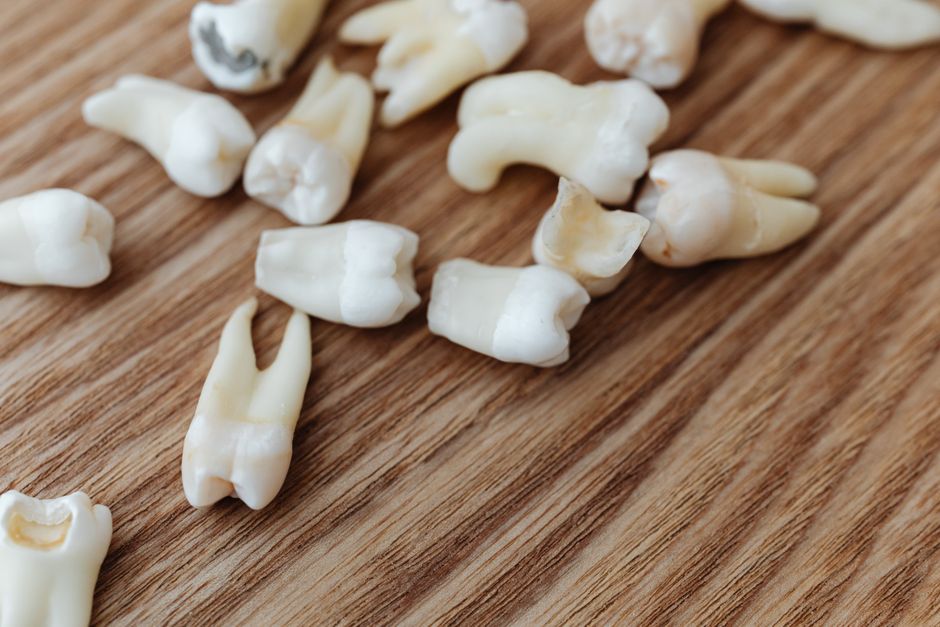
Tooth decay can be repaired, but the method depends entirely on how far it has progressed. In the earliest stage, before a cavity forms, enamel can remineralize with fluoride and good oral hygiene. Once bacteria have broken through the enamel and created a physical hole, that damage is permanent and requires a dentist to fill, crown, or treat the tooth.
What Actually Happens During Tooth Decay?
Tooth decay is not a single event. It is a process that unfolds over time. Your mouth contains hundreds of types of bacteria. Some of them feed on sugars from the food you eat. When these bacteria digest sugar, they produce acid. That acid pulls minerals out of your tooth enamel in a process called demineralization.
Your saliva works against this. It contains calcium and phosphate that can put minerals back into the enamel. This is called remineralization. Healthy teeth constantly cycle between losing and regaining minerals. Decay happens when the acid wins more often than your saliva can repair the damage.
The process moves through distinct stages. Each stage has a different treatment. Understanding which stage you are in matters more than anything else.
Can Early-Stage Decay Be Reversed At Home?
Yes, but only before a cavity actually forms. The earliest stage of decay appears as a white spot on the tooth. This white spot is a zone of demineralized enamel. The surface is still intact. No hole exists yet. At this point, the damage is reversible.
Fluoride is the most proven tool for this job. Fluoride does two things. It helps minerals deposit back into the enamel, and it makes the enamel more resistant to future acid attacks. Most tap water in the United States contains fluoride. Most toothpaste does too. Using a fluoride toothpaste twice a day and drinking fluoridated water are the basic steps.
Some research suggests that a compound called nano-hydroxyapatite, which is the same mineral that makes up tooth enamel, can also help remineralize early lesions. Some studies indicate it performs comparably to fluoride. The evidence is promising but not as extensive as the evidence for fluoride. Both approaches are reasonable for early-stage remineralization, but fluoride remains the best-documented option.
Your diet matters at this stage too. Cutting back on how often you eat sugar gives your saliva more time to repair the enamel between meals. Every time you eat sugar, your mouth stays acidic for about 20 to 30 minutes afterward. Snacking all day keeps your teeth in a constant acid bath. Reducing snacking frequency is one of the most effective home strategies.
When Does Decay Become Permanent?
The moment bacteria break through the enamel surface, the damage becomes permanent. Enamel is the hardest tissue in the human body, but it has no living cells. Once it is structurally broken, it cannot heal itself. The white spot stage is reversible because the enamel crystals are still intact, just weakened. A cavity means the crystals have collapsed and a physical hole exists.
At this point, home care cannot fix the problem. No toothpaste, mouthwash, or dietary change can regrow enamel that is gone. The hole will not heal. It will only get bigger. Bacteria continue to multiply inside the cavity, and acid keeps attacking the deeper layers of the tooth.
A dentist needs to remove the decayed tissue and fill the hole with a restorative material. This is called a dental filling. Leaving a cavity untreated allows the decay to spread deeper into the dentin, which is the softer layer beneath the enamel, and eventually into the pulp, which contains the nerve and blood supply of the tooth.





How Do Dentists Repair Moderate Decay?
When decay reaches the dentin but has not infected the pulp, a standard filling is usually sufficient. The dentist numbs the area, removes the decayed tissue with a drill or laser, cleans the cavity, and fills it. Modern fillings are typically made of composite resin that matches the color of your natural teeth. Amalgam fillings, which contain silver and mercury, are still used in some cases, particularly for back teeth where strength matters most.
The procedure is routine and highly successful. A properly placed filling can last many years with good oral hygiene. The key is catching the decay before it reaches the pulp. Once bacteria reach the pulp, the pain begins, and the treatment becomes more involved.
What Happens When Decay Reaches The Pulp?
The pulp is the innermost chamber of the tooth. It contains nerves, blood vessels, and connective tissue. When bacteria reach this area, the tooth becomes infected. This is called pulpitis. It typically causes severe pain, especially when you bite down or consume something hot or cold. The pain may persist long after the stimulus is removed.
At this stage, a filling is not enough. The infection is inside the tooth, and it will not resolve on its own. The standard treatment is a root canal. The dentist removes the infected pulp, cleans the inside of the tooth, shapes the canals, and seals them with a rubber-like material called gutta-percha. The tooth is then capped with a crown to restore its strength and function.
Root canals have a reputation for being painful, but modern anesthesia makes them comparable to getting a filling. The procedure saves the tooth. Without it, the infection would spread to the root tip and form an abscess. An abscess is a pocket of pus that can cause swelling, fever, and in severe cases, spread to other parts of the face and body.
When Is Tooth Extraction The Only Option?
If decay destroys too much of the tooth structure, a root canal and crown may not be possible. This happens when the tooth has too little healthy structure left to support a restoration, or when the decay extends below the gum line in a way that cannot be repaired. In these cases, extraction is the appropriate treatment.
Removing the tooth stops the infection and the pain. But extraction creates a new problem. The teeth around the gap will begin to shift. The opposing tooth may drift into the empty space. This can cause bite problems, difficulty chewing, and further tooth loss over time. Most dentists recommend replacing an extracted tooth with a dental implant, a bridge, or a partial denture. Each option has advantages and disadvantages that should be discussed with your dentist.
Can Advanced Decay Be Repaired Without A Dentist?
No. This is important to state clearly. No home remedy, herbal treatment, or over-the-counter product can repair a cavity that has already formed. Some online sources claim that oil pulling, vitamin D supplementation, or dietary changes can reverse cavities. These claims are not supported by clinical evidence. Oil pulling can reduce bacteria in the mouth, but it cannot rebuild enamel that is gone. Vitamin D is important for bone health and may influence dental health, but it does not heal an existing cavity.
The only way to repair a cavity is to have a dentist physically remove the decay and restore the tooth. Delaying treatment while trying unproven home remedies allows the decay to progress. What might have been a small filling can become a root canal. A root canal can become an extraction. The earlier you see a dentist, the simpler and cheaper the treatment.
How To Prevent Tooth Decay From Returning
Prevention is the same regardless of which stage of decay you have experienced. Brush twice a day with fluoride toothpaste. Floss once a day to clean between teeth where a toothbrush cannot reach. See your dentist for checkups and cleanings at intervals they recommend, which is typically every six months.
Limit sugar, especially sugary drinks. Sodas, sports drinks, and fruit juices bathe your teeth in sugar and acid. Drinking them through a straw and rinsing with water afterward can reduce their impact. Chewing sugar-free gum after meals stimulates saliva production, which helps neutralize acid and remineralize enamel.
If you have had multiple cavities, talk to your dentist about additional preventive options. Prescription-strength fluoride toothpaste, fluoride varnish applications, and dental sealants are all evidence-based tools that reduce cavity risk. Your dentist can help you decide which ones make sense for your situation.
Frequently Asked Questions
Can tooth decay heal on its own?
Only the earliest stage of decay, before a cavity forms, can heal on its own with fluoride and good oral hygiene. Once a physical hole forms in the enamel, the damage is permanent and requires dental treatment.
How long can you leave a cavity before it becomes serious?
There is no safe timeline because decay progresses at different rates in different people. A small cavity can reach the nerve in months or years, so seeing a dentist as soon as you notice a problem is the only reliable way to prevent serious damage.
Does a cavity always need a filling?
No. If the decay is limited to the enamel and no hole has formed, remineralization with fluoride may reverse it without a filling. Once a cavity has formed, a filling is necessary.
Can a root canal be avoided?
Only if the decay is caught before it reaches the pulp. Once the pulp is infected, a root canal is the standard treatment to save the tooth. The alternative is extraction.
