

Your hair cuticle is the outermost layer of each strand, made of overlapping scales that protect the inner cortex. When those scales lie flat, hair looks smooth and reflects light. When they are lifted, broken, or missing, hair looks dull, feels rough, and tangles easily. You cannot grow a new cuticle once it is gone, but you can smooth the cuticle you still have, reduce further damage, and improve how your hair looks and feels. The most effective at-home approach combines gentle handling, pH-balanced products, and consistent conditioning to fill gaps and flatten the remaining scales.
What Actually Causes Cuticle Damage?
Most cuticle damage comes from physical stress, not from products alone. Brushing wet hair aggressively is one of the most common culprits. Wet hair swells and the cuticle lifts, making it more fragile than dry hair. Rubbing hair with a towel creates friction that can crack the scales. Tight hairstyles pull on the cuticle over time. Heat styling above certain temperatures can vaporize moisture inside the shaft, causing the cuticle to blister and flake off.
Chemical processes are the other major cause. Hair dye, bleach, perms, and relaxers work by opening the cuticle to reach the cortex. Every chemical service lifts the scales. Repeated services prevent them from fully closing again. Even swimming in chlorinated pools can roughen the cuticle surface. Hard water with high mineral content can leave deposits that make hair feel coarse and look dull, though this is a coating issue rather than true cuticle loss.
Can You Actually Repair a Cuticle That Is Already Gone?
No. The cuticle does not regenerate. Once the scales are completely worn away, that portion of the strand cannot grow new ones. This is why split ends cannot be fused back together. The only permanent fix for missing cuticle is to cut the damaged hair off.
What you can do is repair the cuticle that is still present. Lifted scales can be pressed back down. Gaps between scales can be temporarily filled. Products marketed as “cuticle repair” work this way. They do not regrow tissue. They coat and smooth the existing structure. Understanding this distinction matters because it changes your expectations. You are managing damage, not reversing it.
How To Repair A Damaged Hair Cuticle At Home: Step-by-Step
The process has three parts: stop the damage, smooth the cuticle, and maintain the improvement.
Step 1: Change how you handle wet hair. Wet hair is at its weakest. Do not brush it. Use a wide-tooth comb starting at the ends and working upward. Pat hair dry with a microfiber towel or an old cotton t-shirt instead of rubbing. Squeeze out excess water gently. If you must detangle, apply conditioner first to add slip.
Step 2: Use pH-balanced products. The cuticle naturally closes in a mildly acidic environment. Most conditioners are formulated to be acidic, typically around pH 4.5 to 5.5. This acidity helps the scales lie flat. Shampoos are often closer to neutral or slightly alkaline. If you use a clarifying shampoo or a harsh sulfate-based cleanser frequently, your cuticle will stay rougher. A daily conditioner or a leave-in conditioner with a low pH can help counteract this.
Step 3: Apply a bond-building or protein treatment. Bond builders such as those containing Olaplex’s patented ingredient or similar bis-aminopropyl diglycol dimaleate work by reconnecting broken disulfide bonds inside the hair shaft. These bonds are the structural links that give hair its strength. When they break, the cuticle can lift and crack. Some research suggests these ingredients can restore internal strength, which helps the cuticle lie flatter because the underlying structure is more intact. Protein treatments fill gaps in the cuticle temporarily, but overuse can make hair stiff and brittle. Use them once a week or every other week, not daily.
Step 4: Seal with oil or silicone. After conditioning, apply a few drops of a lightweight oil such as argan, jojoba, or squalane to damp hair. Oils penetrate the cuticle slightly and coat the surface, reducing friction and adding shine. Silicone-based serums do the same thing but stay on the surface. Both are effective. Neither repairs the cuticle permanently, but both make it lie flatter and protect it from further damage.
Step 5: Lower your heat settings. Heat styling is a direct cause of cuticle damage. If you use a flat iron or curling iron, keep the temperature below 350°F (175°C) for fine or damaged hair. Always use a heat protectant spray. These sprays deposit polymers that form a barrier between the heat and the hair shaft. They do not make hair immune to heat, but they reduce moisture loss.

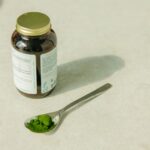



Do Home Remedies Like Egg, Honey, or Coconut Oil Work?
Coconut oil has the strongest evidence behind it. Research published in the Journal of Cosmetic Science found that coconut oil penetrates the hair shaft better than mineral oil or sunflower oil because of its molecular structure. It can reduce protein loss from the cortex, which indirectly helps the cuticle remain intact. It is a reasonable weekly pre-wash treatment.
Egg and honey masks are popular but have no clinical evidence supporting their use for cuticle repair. Egg contains proteins, but they are too large to penetrate the hair shaft. They coat the surface and may add temporary smoothness. Honey is a humectant, meaning it attracts moisture. It can help with softness, but it does not repair structural damage. There is no harm in using these as a conditioning mask, but they are not a repair mechanism.
Apple cider vinegar rinses are frequently recommended to close the cuticle. The logic is sound because vinegar is acidic. A diluted rinse can help flatten the cuticle and remove mineral buildup. However, the effect is temporary and similar to what a regular pH-balanced conditioner already does. If you try it, dilute one to two tablespoons in a cup of water and rinse thoroughly. Do not use full-strength vinegar on your scalp.
What Is the Difference Between Protein and Moisture Treatments?
Hair is made of protein, specifically keratin. When the cuticle is damaged, the cortex underneath loses protein. Protein treatments deposit hydrolyzed proteins into the hair shaft. These small protein fragments can fill gaps where the cuticle has worn thin. They add temporary strength and structure.
Moisture treatments add water and humectants to the hair. They do not add structure. They improve flexibility and softness. Damaged hair often needs both, but they work differently. If your hair feels mushy or overly soft, it may need protein. If it feels dry and brittle, it may need moisture. Many people alternate between the two. Overloading on protein without enough moisture can leave hair stiff and prone to breakage.
How Long Until You See Results?
You will see cosmetic improvement within one to two washes. Flattened cuticles reflect light better, so hair looks shinier almost immediately after a good conditioning treatment. Structural improvement takes longer. Bond builders typically require multiple applications over several weeks to show measurable strength gains.
There is no timeline for “full recovery” because the cuticle cannot fully recover. You are managing the condition, not curing it. If you continue heat styling and chemical treatments, the damage will continue. The results you see will only last as long as you maintain the routine.
When Should You Cut Your Hair Instead?
If your hair feels like straw even after conditioning, if it tangles constantly, or if you see many split ends, cutting is the honest answer. No product will fix those ends. Trimming removes the worst of the damage and prevents splits from traveling up the shaft. A trim every six to eight weeks is a reasonable maintenance schedule for damaged hair, though this varies by individual growth rate and damage level.
If you are trying to grow your hair out, protecting the cuticle is more important than any treatment. That means sleeping on a silk or satin pillowcase to reduce friction, avoiding tight ponytails, and limiting heat. These habits prevent future damage, which is the closest thing to repair that exists.
Frequently Asked Questions
Can damaged hair cuticles grow back?
No. The cuticle does not regenerate once it is lost. You can only smooth and protect the cuticle that remains.
Does coconut oil repair the hair cuticle?
Coconut oil penetrates the hair shaft and reduces protein loss, which helps protect the cuticle from further damage. It does not regrow missing cuticle scales.
How often should I use a bond builder?
Most bond-building treatments are used once a week or every other week. Follow the specific product instructions, as overuse can lead to stiffness.
Is heat styling permanently damaging to the cuticle?
Repeated high-heat styling can permanently remove cuticle scales by vaporizing moisture inside the hair shaft. Lower temperatures and heat protectants reduce but do not eliminate this risk.
