
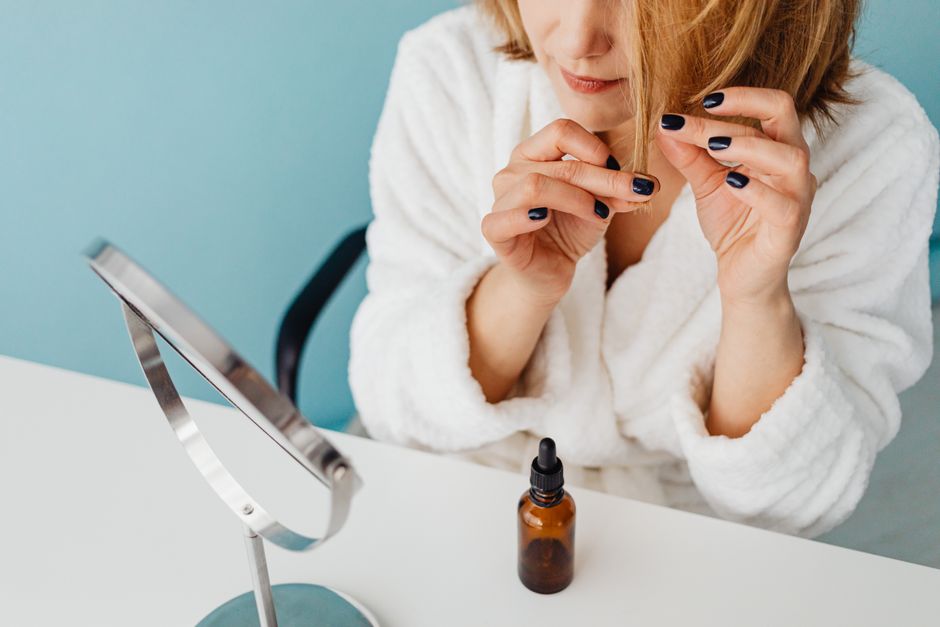
Opening your hair cuticle at home is possible, but it requires understanding what the cuticle actually is and why you might want to open it. The cuticle is the outermost layer of your hair shaft, made of overlapping scales that protect the inner cortex. Opening these scales allows treatments like deep conditioners or hair masks to penetrate deeper into the hair strand. The safe way to do this is with gentle, controlled heat and moisture, never with harsh chemicals or boiling water.
What Does It Mean to Open the Hair Cuticle?
Think of your hair cuticle like shingles on a roof. When the shingles lie flat and smooth, the roof is protected. When they lift or separate, the roof becomes vulnerable. In hair care, a raised cuticle is often a sign of damage. However, a temporarily lifted cuticle can be useful when you want to deliver moisture or protein deep inside the hair shaft.
Your hair’s pH level naturally keeps the cuticle closed. Healthy hair sits at a slightly acidic pH, usually between 4.5 and 5.5. When the pH rises toward alkaline, the cuticle scales lift and open. This is why many hair treatments use heat or slightly alkaline conditions to encourage penetration. The key is to open the cuticle just enough for treatment, then close it again afterward.
Opening the cuticle is not the same as damaging it. Damage means the scales are broken or missing permanently. Opening is a temporary state that should be reversed once your treatment is done. Understanding this difference keeps your hair safe.
How To Open Your Hair Cuticle Safely At Home?
The safest method to open your hair cuticle at home combines gentle heat with a moisturizing treatment. Heat softens the protein structure of the hair, allowing the cuticle scales to lift slightly. Moisture helps the process without causing the hair to become brittle or dry.
Start with clean, damp hair. Apply a deep conditioner or a hair mask that contains ingredients like shea butter, argan oil, or hydrolyzed proteins. These ingredients help the hair absorb moisture while the heat works on the cuticle.
Once the product is applied, cover your hair with a plastic shower cap. The cap traps body heat and creates a warm, humid environment. You can then use a warm towel over the cap or sit under a hooded dryer if you have one. The goal is gentle warmth, not intense heat. You want the treatment to feel comfortably warm, never hot.
Leave the treatment on for 15 to 30 minutes. This gives the cuticle time to lift and the product time to penetrate. Rinse with cool or lukewarm water afterward. Cool water helps the cuticle lie flat again, sealing in the treatment and protecting your hair.
Why pH Matters for Your Hair Cuticle
Your hair’s pH level controls whether the cuticle is open or closed. Acidic products close the cuticle. Alkaline products open it. This is basic hair chemistry that has been understood for decades.
Most shampoos are slightly alkaline, which is why hair can feel rough after washing. Conditioners are acidic, which smooths the cuticle and makes hair feel soft. When you want to open the cuticle for a treatment, you are intentionally working against this balance.
You can use an acidic rinse after your treatment to close the cuticle. Apple cider vinegar diluted with water is a popular choice. Mix about one to two tablespoons of apple cider vinegar with one cup of water. Apply it after rinsing out your treatment, leave it for a few seconds, then rinse thoroughly.
Some research suggests that using products with a pH close to your hair’s natural level is best for long-term hair health. Frequent exposure to high pH levels can cause cumulative damage. This is why opening the cuticle should be an occasional treatment, not a daily habit.





Heat Options: What Works and What Doesn’t
Not all heat is safe for your hair. The temperature matters as much as the method. Hair begins to sustain structural damage at temperatures above 300 degrees Fahrenheit. But you do not need anywhere near that heat to open the cuticle.
Body heat is often enough. This is why a shower cap works so well. Your scalp radiates heat, and the cap traps it close to your hair. This gentle warmth is sufficient to lift the cuticle for most treatments.
Warm towels are another option. Wet a towel with warm water, wring it out, and wrap it around your capped hair. The warmth lasts for several minutes and can be repeated if needed. Never use boiling water or heat a towel in the microwave to the point of being uncomfortable.
Hooded dryers are effective but require caution. Set the dryer to a low or medium heat setting. The heat should feel like warm sunshine, not like a hair dryer held close to your scalp. If the plastic cap starts to feel hot to the touch, remove it immediately.
Steam is another safe option. Some people use facial steamers or sit in a steamy bathroom while their treatment is on. Steam adds moisture while warming the hair. This combination is gentle and effective for many hair types.
What to Avoid When Opening Your Hair Cuticle
Some methods people use to open the cuticle are genuinely dangerous. Avoid these entirely.
Never use boiling water. Immersing your hair in boiling water will cook the protein structure of the hair. This causes immediate and irreversible damage. The hair becomes brittle, breaks easily, and cannot be repaired.
Do not use baking soda as a routine treatment. Baking soda is highly alkaline with a pH around 8 to 9. It opens the cuticle aggressively and strips the hair of its natural oils. Occasional use might be acceptable for some people, but regular use leads to dry, damaged hair. No clinical evidence supports baking soda as a safe method for opening the cuticle.
Avoid leaving treatments on longer than recommended. More time does not mean more penetration. After a certain point, the hair cannot absorb more product. Leaving a treatment on for hours can actually cause the hair to become oversaturated and weak.
Do not use heat tools like flat irons or curling irons to open the cuticle. These tools are designed to style hair, not to prepare it for treatment. The high temperatures can melt the hair’s protein structure before you even apply your treatment.
How to Close the Cuticle After Treatment
Closing the cuticle after treatment is just as important as opening it. If you leave the cuticle open, your hair loses moisture quickly and becomes vulnerable to environmental damage.
The simplest way to close the cuticle is a cool water rinse. Cold water causes the cuticle scales to contract and lie flat. This seals in the treatment you just applied. You do not need freezing water; cool tap water is sufficient.
An acidic rinse also helps close the cuticle. The acid lowers the pH of your hair, which naturally encourages the cuticle to flatten. Apple cider vinegar and lemon juice are common options. Products with citric acid or other weak acids work as well.
Finishing with a leave-in conditioner or a small amount of oil can also help seal the cuticle. These products coat the hair shaft and smooth the scales. Argan oil, jojoba oil, and other lightweight oils are good choices for most hair types.
Signs Your Hair Cuticle Is Damaged
It is important to recognize the difference between a temporarily open cuticle and permanent damage. The signs are not the same.
An open cuticle from a treatment is temporary. Your hair might feel slightly rough while the treatment is on, but it should feel smooth and soft after rinsing and closing. This is normal.
Damaged cuticles cause persistent symptoms. Your hair may feel rough all the time, even after conditioning. It may look dull or frizzy. Split ends are a sign that the cuticle has worn away completely in certain areas. Hair that breaks easily when combed or styled is likely damaged.
If you notice these signs, stop opening your cuticle for treatments. Focus on strengthening and protecting the hair instead. Deep conditioning without heat can still help. Protein treatments may help rebuild the hair structure, but no treatment can fully repair a damaged cuticle. The only permanent solution is to trim the damaged hair and prevent future damage.
Frequently Asked Questions
How long should I leave a hair mask on to open the cuticle?
Fifteen to thirty minutes is the recommended range for most hair masks. Leaving a treatment on longer does not increase penetration and may weaken the hair.
Can I use a hair dryer to open my hair cuticle?
Yes, but only with low heat and a diffuser or a distance of several inches from the hair. High heat damages the hair protein and causes permanent cuticle loss.
Does apple cider vinegar open or close the hair cuticle?
Apple cider vinegar closes the hair cuticle because it is acidic. Use it after a treatment to seal the cuticle and lock in moisture.
Is it safe to open your hair cuticle every week?
Once a week is generally safe for most hair types. Opening the cuticle more often can lead to moisture loss and eventual damage.
