
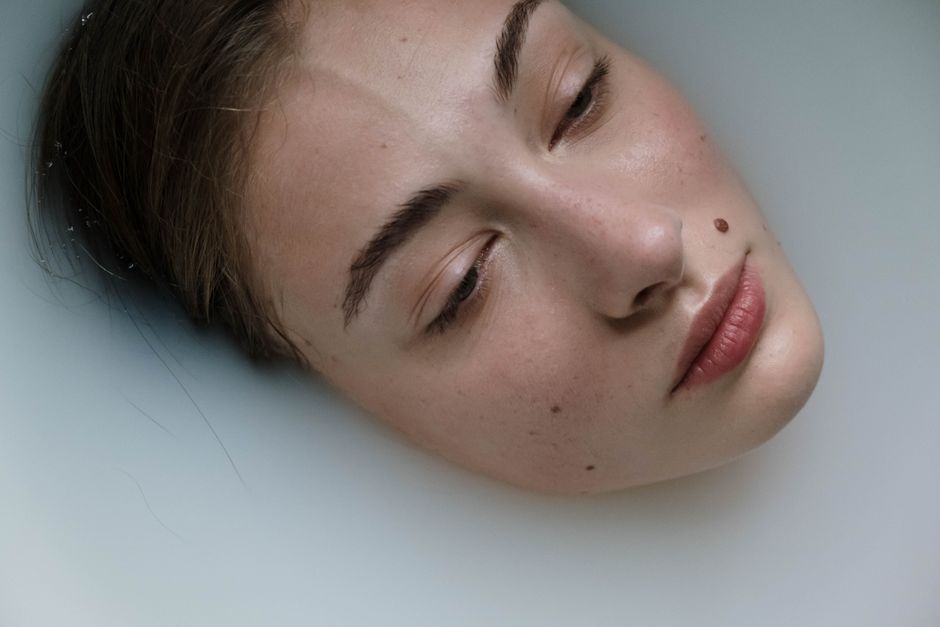
Raised moles are common, and most are harmless. If you want one removed for cosmetic reasons or because it irritates you, the only safe methods are medical procedures performed by a dermatologist. At-home removal methods are not just ineffective — they are dangerous and can lead to infection, scarring, or a missed skin cancer diagnosis.
Can You Safely Remove a Raised Mole at Home?
No. There is no safe way to remove a raised mole at home. Products sold online that claim to burn, freeze, or cut off moles are not approved for this use.
These products often contain strong acids like salicylic acid or even lye. They do not distinguish between mole tissue and healthy skin. Using them can cause chemical burns, deep wounds, and permanent scarring. Some products have caused serious infections that required medical treatment.
Another reason to avoid home removal: a mole can be skin cancer. A dermatologist needs to examine the mole first. If you remove it yourself, you may destroy tissue that a doctor would need to biopsy. That could delay a melanoma diagnosis by months or years.
What Are the Medical Methods for Removing Raised Moles?
Dermatologists use several methods to remove raised moles. The choice depends on the mole’s size, depth, location, and whether it looks suspicious.
Surgical excision is the most common method for raised moles. The doctor numbs the area with a local anesthetic, cuts out the entire mole along with a small margin of healthy skin, and closes the wound with stitches. The mole is sent to a lab for testing. This method is used when a mole might be cancerous or when the doctor wants a complete sample.
Shave removal is another option. The doctor numbs the skin and uses a small blade to shave the mole off at or slightly below the skin surface. The base of the mole is often treated with a mild electric current to stop bleeding and destroy remaining mole cells. Stitches are usually not needed. This method works well for moles that sit above the skin surface, but it leaves a flat scar or a lightened area.
Cryotherapy uses liquid nitrogen to freeze the mole. It is sometimes used for very small, non-cancerous raised moles. The mole blisters and falls off over one to two weeks. This method is less precise than excision, and the mole may not be completely removed in one session.
Laser removal is rarely used for raised moles. Lasers do not provide a tissue sample for biopsy, so they are only considered for moles that a doctor has already confirmed are benign. Even then, lasers may not remove deeper mole cells, and the mole can regrow.
How Do You Know If a Mole Needs a Biopsy First?
Any mole that is changing, bleeding, itching, or asymmetrical needs evaluation before removal. Dermatologists use the ABCDE rule as a starting point:
- Asymmetry — one half does not match the other
- Border — edges are irregular, ragged, or blurred
- Color — multiple colors or uneven color
- Diameter — larger than 6 millimeters (about the size of a pencil eraser)
- Evolving — changing in size, shape, or color
These signs do not mean a mole is cancer. They mean a doctor should look at it. Most biopsied moles turn out to be benign. But a biopsy is the only way to know for certain.
If a mole is removed by shave technique and the lab finds abnormal cells, your doctor will likely recommend a second procedure. That second procedure removes more tissue around the site to make sure all abnormal cells are gone.


What Does the Procedure Actually Feel Like?
Both excision and shave removal start with a local anesthetic. The doctor injects a numbing medication into the skin around the mole. This injection stings for a few seconds. After that, you should feel no pain during the procedure.
You may feel pressure or tugging while the doctor works. That is normal. The procedure itself takes 10 to 30 minutes depending on the method and the mole’s size.
You will be awake the entire time. No general anesthesia is needed for mole removal.
What Is the Recovery Process Like?
Recovery depends on the removal method. Shave removal and cryotherapy typically heal faster than excision with stitches.
For shave removal, a scab forms over the area within a day or two. The scab falls off in one to three weeks. The skin underneath will be pink for several weeks and may take months to fade to its final color.
For excision with stitches, the wound needs one to two weeks to close. If you have non-dissolving stitches, they are removed at a follow-up appointment. If you have dissolving stitches, they disappear on their own in two to three weeks.
During healing, keep the area clean and dry. Your doctor will give you specific instructions, which usually include:
- Keeping the wound covered for the first 24 to 48 hours
- Changing the dressing daily or as directed
- Avoiding soaking the area in water (no baths, pools, or hot tubs)
- Applying petroleum jelly or antibiotic ointment if your doctor recommends it
- Avoiding strenuous activity that stretches the skin near the wound
Pain after the procedure is usually mild. Over-the-counter acetaminophen is typically enough. Avoid aspirin and ibuprofen for the first 24 hours if your doctor used excision, because these can increase bleeding.
What Are the Risks and Side Effects?
Mole removal is a low-risk procedure, but it is not risk-free. The most common side effect is scarring. Every removal method leaves some mark. Excision leaves a line scar. Shave removal leaves a flat, pale or pink area that can be slightly depressed.
Infection is possible but uncommon. Signs of infection include increasing pain, redness spreading beyond the wound, warmth, pus, or fever. If you notice any of these, contact your doctor.
Bleeding is usually minor and stops with pressure. Some people develop a keloid, which is a thick, raised scar that grows beyond the original wound. People with darker skin and people with a history of keloids are at higher risk.
Numbness around the removal site can occur if a small nerve is cut. This is more common with excision on the face or neck. The numbness often improves over months but can be permanent in rare cases.
Regrowth is another possibility. If any mole cells remain after shave removal or cryotherapy, the mole can grow back. This is more likely with flat or broad moles that extend deeper into the skin than they appear on the surface.
How Much Does Mole Removal Cost?
Cost varies widely by location, provider, and method. A simple shave removal in a dermatologist’s office typically costs between $150 and $400. Surgical excision with stitches and a pathology exam costs more, often between $400 and $1,000 or more.
If the mole is biopsied and found to be cancerous, insurance usually covers the removal as a medically necessary procedure. If you want a mole removed for cosmetic reasons only, insurance generally does not cover it. You will pay out of pocket.
Before scheduling, ask your dermatologist’s office for a cost estimate. Ask whether the pathology fee is included. Ask whether a follow-up appointment to remove stitches is billed separately.
Can You Prevent New Raised Moles From Forming?
No method reliably prevents new moles. Genetics play the largest role in whether you develop moles and how many you get.
Sun exposure does influence mole development. People with significant sun exposure, especially in childhood, tend to have more moles. Ultraviolet radiation can also cause existing moles to darken or change.
Using sunscreen and limiting sun exposure may reduce the number of new moles you develop. It will not stop all of them. Some research suggests that consistent sunscreen use in children reduces the number of new moles that form.
Regular skin checks are more important than prevention. Examine your skin monthly. Look for new moles and changes in existing ones. See a dermatologist once a year for a full-body skin exam, or more often if you have a history of skin cancer or many moles.
Frequently Asked Questions
Is it safe to cut off a raised mole with scissors or nail clippers?
No. Cutting off a mole at home carries a high risk of infection, heavy bleeding, and permanent scarring. It also destroys the tissue sample a doctor would need to check for skin cancer.
Will a raised mole grow back after removal?
Sometimes. If the removal method leaves mole cells behind, the mole can regrow. This is more common after shave removal or cryotherapy than after surgical excision.
How long does it take to heal after mole removal?
Shave removal and cryotherapy usually heal in one to three weeks. Excision with stitches takes one to two weeks for the wound to close, and full scar maturation takes several months.
Does mole removal hurt?
The numbing injection stings for a few seconds. After that, the procedure itself is painless. Mild soreness after the anesthetic wears off is normal and usually managed with over-the-counter pain relievers.
