
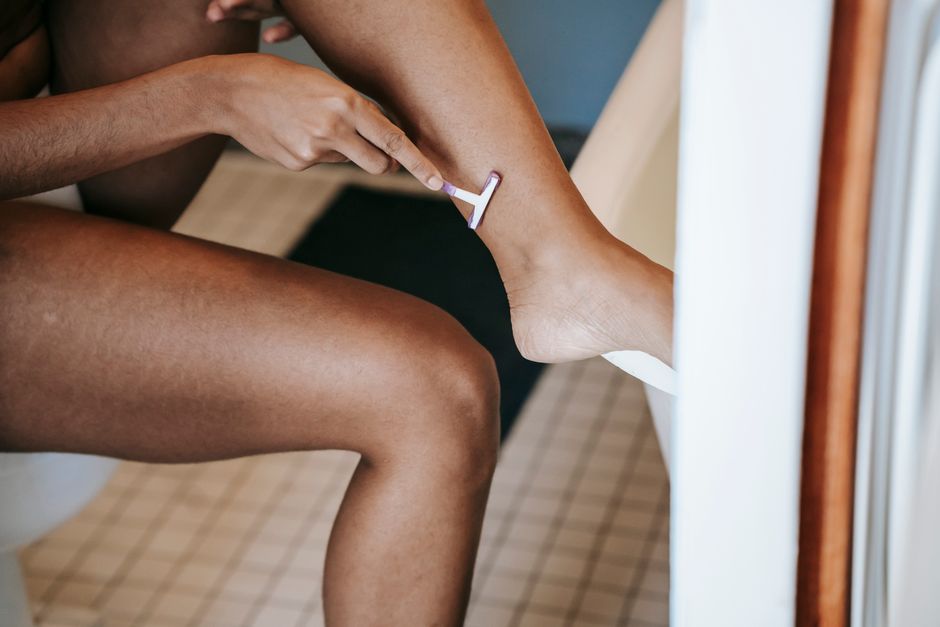
Shaving can cause razor burn, ingrown hairs, and itchy regrowth in the bikini area. Many women want smoother results without those problems. The most common alternatives are waxing, sugaring, epilating, hair removal creams, and laser treatments. Each method works differently, lasts different amounts of time, and carries its own set of risks. This guide explains how each option works so you can choose the one that fits your skin and pain tolerance.
What Are the Main Alternatives to Shaving Pubic Hair?
Five main methods replace shaving for pubic hair removal. Waxing pulls hair out from the root. Sugaring does the same using a sugar-based paste. Epilators are small devices that grasp and pull multiple hairs at once. Depilatory creams dissolve hair just below the skin’s surface. Laser and electrolysis destroy the hair follicle to reduce regrowth over time.
Each method has a different learning curve. Waxing and sugaring are often done by professionals. Epilators are for home use but can be painful. Creams are simple but can irritate sensitive skin. Laser requires multiple sessions and a significant financial investment.
Is Waxing or Sugaring Better for Sensitive Skin?
Waxing and sugaring both remove hair from the root, leaving skin smooth for three to six weeks. The key difference is the substance used. Traditional wax is applied warm and adheres to both hair and skin. Sugar paste sticks mainly to hair, which some people find less painful and less irritating.
For the pubic area, hard wax is generally preferred over soft wax. Hard wax is applied thick and removed without strips. It grips the hair firmly but does not pull as much on delicate skin. Soft wax requires cloth or paper strips and can tug the top layer of skin, increasing irritation.
Sugaring is water-soluble, so cleanup is easier. Many people with sensitive skin tolerate sugaring better than waxing. However, individual reactions vary. A patch test on a small area is the only way to know how your skin will respond.
Both methods carry a risk of ingrown hairs, though regular exfoliation between sessions reduces this. Neither method is recommended for anyone using prescription acne creams like tretinoin or isotretinoin, as these medications make skin fragile and prone to tearing.
How Do Epilators Work for the Bikini Area?
An epilator is a handheld device with a rotating head of tiny tweezers. As you move it across the skin, the tweezers open and close rapidly, grasping hairs and pulling them out. Results last the same three to six weeks as waxing.
Epilators are effective but painful, especially on the first few uses. The pubic area has dense, coarse hair and sensitive nerve endings. Many women find the process uncomfortable. Over time, some users report less pain as hair becomes finer and sparser with repeated pulling.
If you choose an epilator, use it on clean, dry skin. Stretch the skin taut with one hand while guiding the device against the direction of hair growth. Start on a less sensitive area like the legs to build tolerance before moving to the bikini line. Do not use epilators on the labia or inner folds of skin. Those areas are too sensitive and the skin is too loose for safe use.





Do Hair Removal Creams Work on Pubic Hair?
Depilatory creams contain chemicals like calcium thioglycolate that break down the protein structure of hair. The hair dissolves at the skin surface, leaving smooth skin for two to five days. This is the only method that does not pull hair from the root.
These creams are marketed for the bikini area, but they require caution. The skin in the genital region is thinner and more permeable than skin elsewhere. Chemical burns and allergic reactions are real risks. Some women experience burning, redness, or blistering even when following instructions exactly.
Before applying any depilatory cream to the pubic area, test it on a small patch of skin on your inner arm or thigh. Wait 24 hours to check for a reaction. Never leave the cream on longer than the package instructs. Do not use it on broken, irritated, or sunburned skin. Avoid applying cream to the labia or inside any skin folds.
If you have sensitive skin or a history of allergic reactions to cosmetics, depilatory creams may not be the safest choice. The American Academy of Dermatology advises caution with these products on the bikini area for this reason.
What About Laser Hair Removal and Electrolysis?
Laser hair removal uses concentrated light to damage hair follicles. The heat from the laser inhibits future growth. Multiple sessions are needed because hair grows in cycles and the laser only affects follicles in the active growth phase. Most people need six to eight sessions spaced four to six weeks apart.
Laser works best on people with light skin and dark hair because the laser targets pigment. Newer lasers can treat darker skin tones, but results are less predictable. Laser does not work on white, gray, or very light blonde hair because there is no pigment for the laser to target.
Electrolysis is the only method the FDA recognizes as permanent hair removal. A tiny probe is inserted into each hair follicle and an electric current destroys the follicle. It works on all hair colors and skin types. The process is slow because each hair is treated individually. Sessions can take an hour or more, and many visits are required.
Both methods are expensive and require a licensed professional. Laser typically costs several hundred dollars per session for the bikini area. Electrolysis is often billed by the hour. Both carry risks of skin discoloration, blistering, and scarring if performed incorrectly.
How To Remove Pubic Hair Without Shaving Female: Step-by-Step Prep
Whichever method you choose, preparation matters. Clean skin reduces the risk of infection. Exfoliating gently the day before removes dead skin cells that can trap hairs and cause ingrown hairs.
For waxing or sugaring, hair needs to be at least a quarter-inch long. That is roughly two to three weeks of growth after shaving. Hair that is too short cannot be gripped by wax or sugar. Hair that is too long can make the process more painful.
For epilating, shorter hair is easier to manage. Trim hair to about an eighth of an inch with small scissors or a trimmer before epilating. This reduces the pain and prevents the device from tugging on long hairs.
For depilatory creams, follow the package timing exactly. Leaving the cream on too long increases the risk of chemical burns. Removing it too early leaves patches of hair.
For laser and electrolysis, do not wax, pluck, or epilate in the weeks before treatment. The hair follicle must be intact for the laser or electric current to destroy it. Shaving is allowed before laser sessions because the laser targets the follicle below the surface.
How to Prevent Ingrown Hairs After Any Method
Ingrown hairs happen when hair grows back and curls into the skin instead of rising above it. They are more common with waxing, sugaring, and epilating because the hair tip can become sharp as it regrows.
Exfoliate the area gently two to three times per week starting a few days after hair removal. Use a soft washcloth or a mild scrub. Do not scrub aggressively, as this can irritate freshly treated skin.
Moisturize daily with a fragrance-free lotion. Dry skin can trap hairs under the surface. Some dermatologists recommend products containing salicylic acid or glycolic acid to keep follicles clear, but these can sting on sensitive skin. Start with a low concentration and apply only to the bikini line, not the inner folds.
Wear loose cotton underwear for a few days after hair removal. Tight clothing rubs against the skin and increases friction, which can worsen irritation and promote ingrown hairs.
When To See a Dermatologist
Some situations require professional medical advice. If you develop a painful, swollen, or oozing bump after hair removal, it may be an infected ingrown hair or a folliculitis. Do not try to pop it. Warm compresses and over-the-counter antibiotic ointment may help, but persistent symptoms need medical evaluation.
If you experience severe burning, blistering, or skin discoloration after using a depilatory cream, see a doctor. Chemical burns in the genital area can become infected quickly and should not be treated with home remedies alone.
Women with diabetes, poor circulation, or a weakened immune system should be extra cautious with any pubic hair removal method. These conditions slow healing and increase infection risk. Discuss your options with a healthcare provider before proceeding.
Frequently Asked Questions
What is the least painful way to remove pubic hair without shaving?
Depilatory creams are generally the least painful because they dissolve hair rather than pulling it. However, they carry a higher risk of chemical irritation on sensitive skin.
How long does waxing last compared to shaving?
Waxing lasts three to six weeks because it removes hair from the root, while shaving only cuts hair at the surface and lasts two to five days. Regrowth after waxing is often finer and softer over time.
Can I use an epilator on my entire bikini area?
You can use an epilator on the bikini line and outer pubic area, but not on the labia or inner skin folds. Those areas are too sensitive and the loose skin increases the risk of injury.
Is laser hair removal permanent?
Laser hair removal provides long-term reduction, not guaranteed permanence. Some hair may regrow over time, and maintenance sessions are often needed. Electrolysis is the only method the FDA recognizes as permanent.
