
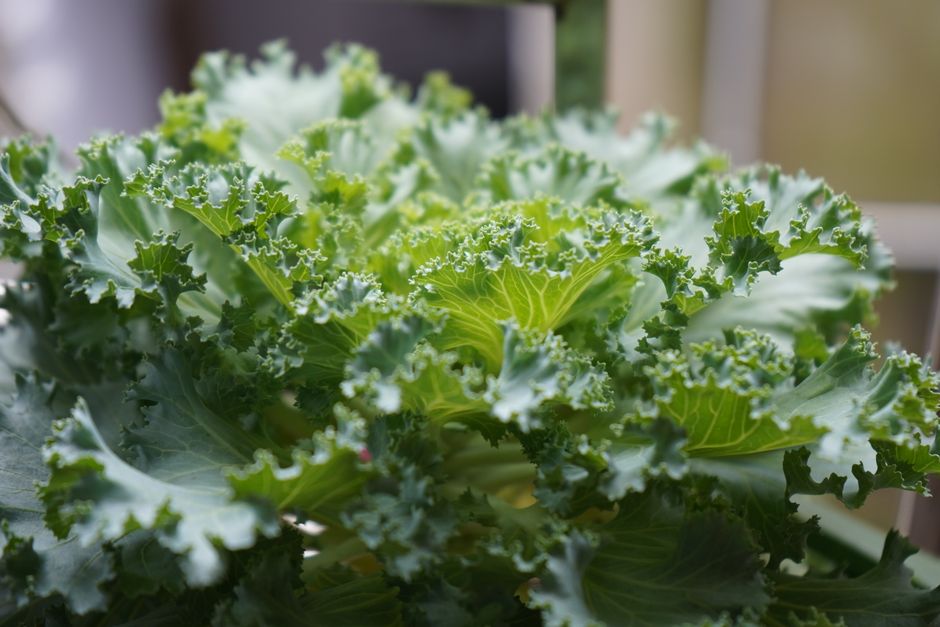
If you eat kale regularly, you have probably wondered about the pesticides on those dark, curly leaves. The research is clear on the best method: soaking kale in a baking soda solution removes more pesticide residue than soaking it in vinegar or plain water. Studies have found that a mixture of baking soda and water, used with a brief soak and rinse, is one of the most effective home washing methods available for leafy greens.
Does Washing Kale Really Remove Pesticides?
Yes, but the method matters. Running kale under tap water removes some surface residue, but it does not remove everything. Pesticides can cling to the waxy coating on kale leaves, and some are designed to resist rain and washing.
Research consistently shows that soaking produce in a baking soda solution removes more pesticide residue than rinsing with water alone. The baking soda helps break down certain pesticide compounds and helps lift residue off the leaf surface.
Why Baking Soda Works Better Than Vinegar
Baking soda is sodium bicarbonate. When dissolved in water, it creates a mildly alkaline solution. Some common pesticides break down faster in alkaline conditions. This chemical reaction is what helps remove residues that plain water cannot loosen.
Vinegar is acidic. While vinegar can kill some bacteria, studies indicate it is less effective at removing pesticide residue from produce. In fact, some research suggests that vinegar may leave its own residue on the leaves, which means you could be trading one concern for another.
One study published in the Journal of Agricultural and Food Chemistry tested baking soda, vinegar, and plain water on apples. The baking soda solution removed the most pesticide residue. While that study used apples, the principle applies to other produce, including leafy greens like kale.
How To Remove Pesticides From Kale Baking Soda Vs Vinegar
The baking soda method is simple and requires only two ingredients you likely already have in your kitchen.
Here is the process:
- Fill a large bowl or clean sink with cold water.
- Add 1 teaspoon of baking soda for every 2 cups of water. For a full sink, use about 1/4 cup of baking soda.
- Submerge the kale leaves completely.
- Let it soak for 12 to 15 minutes. Do not soak longer — extended soaking can cause the leaves to absorb water and lose nutrients.
- Remove the kale and rinse it thoroughly under running water.
- Dry the leaves with a clean towel or salad spinner.
This method removes surface pesticides and also helps loosen dirt and debris trapped in the curly crevices of kale leaves. Those crevices are exactly where residue hides, which is why a simple rinse is not enough.




Is Vinegar Useless For Washing Kale?
Vinegar is not useless, but it is not the best choice for pesticide removal. A vinegar soak can help reduce bacteria on produce, which is a separate concern from pesticides.
If you choose to use vinegar, use a solution of 3 parts water to 1 part white vinegar. Soak the kale for 10 to 15 minutes, then rinse thoroughly. The vinegar taste can linger if you do not rinse well, and the acidic solution does not break down pesticide compounds the way baking soda does.
Some people worry that vinegar damages the cell walls of leafy greens. There is some evidence that acidic solutions can alter the texture of delicate leaves. Baking soda does not have this issue at the recommended concentration.
What About Commercial Produce Washes?
Commercial produce washes are widely available, but the evidence for them is mixed. Some products work as well as baking soda, while others perform no better than plain water.
A study from the University of Maine tested several commercial washes and found that plain tap water was just as effective as most of them. The study did not test every product on the market, so results may vary by brand.
Baking soda is cheaper, and you already have it in your pantry. There is no strong reason to spend money on a commercial wash when the baking soda method is proven and inexpensive.
Does Organic Kale Need Washing Too?
Yes. Organic kale is grown without synthetic pesticides, but it can still carry residues from natural pesticides approved for organic farming. It can also carry dirt, insects, and bacteria from the field.
Washing organic kale with the same baking soda method is a reasonable practice. It removes dirt and debris and offers some protection against naturally derived pesticide residues.
No washing method removes 100 percent of all residues. If pesticide exposure is a major concern for you, choosing organic kale is the only way to reduce synthetic pesticide exposure at the source. But organic does not mean residue-free, so washing still matters.
Does Cooking Kale Remove Pesticides?
Cooking can reduce some pesticide residues, but it does not eliminate them all. Heat breaks down certain pesticide compounds, and some pesticides dissolve into cooking water.
If you boil or blanch kale, some residue can transfer to the water. If you discard that water, you remove some pesticides with it. Steaming and sautéing do not offer the same benefit because there is no water to carry the residue away.
Washing before cooking is still the most important step. Do not rely on cooking alone to remove pesticides.
Common Mistakes When Washing Kale
One common mistake is washing kale too far in advance. Once kale is wet, it spoils faster. Wash only what you plan to use within a day or two.
Another mistake is soaking for too long. A 15-minute soak is enough. Leaving kale in water for an hour or more can cause the leaves to become waterlogged and lose water-soluble vitamins like vitamin C.
Skipping the final rinse is also a mistake. The baking soda solution lifts pesticides off the leaf, but the rinse is what carries them away. If you skip the rinse, you leave the residue and the baking soda on the leaves.
Finally, do not wash kale and then store it wet. Moisture promotes bacterial growth. Dry the leaves thoroughly before refrigerating them.
Is The Baking Soda Method Safe For All Produce?
The baking soda method is safe for most fruits and vegetables, including delicate berries. However, berries should soak for a shorter time — about 5 minutes — because they absorb water quickly and can become mushy.
For firm produce like apples, cucumbers, and tomatoes, the same 12 to 15 minute soak works well. For soft herbs like cilantro and parsley, a shorter soak of 5 to 10 minutes is better.
There is no evidence that the small amount of baking soda used in this method leaves harmful residue. The final rinse removes the baking soda itself, so you are not consuming it in any meaningful amount.
Frequently Asked Questions
How long should I soak kale in baking soda?
Soak kale for 12 to 15 minutes in a baking soda solution. Longer soaking does not remove more pesticides and can make the leaves waterlogged.
Can I use apple cider vinegar instead of white vinegar?
Apple cider vinegar works the same as white vinegar for washing produce, but neither is as effective as baking soda for pesticide removal. If you use vinegar, dilute it with water and rinse thoroughly afterward.
Does washing kale remove all pesticides?
No washing method removes every trace of pesticide residue. The baking soda method removes more residue than water or vinegar alone, but some residue can remain.
Is it safe to eat kale without washing it?
Eating unwashed kale is not recommended. It can carry dirt, bacteria, and pesticide residue, and washing with baking soda is a simple way to reduce those risks.
