
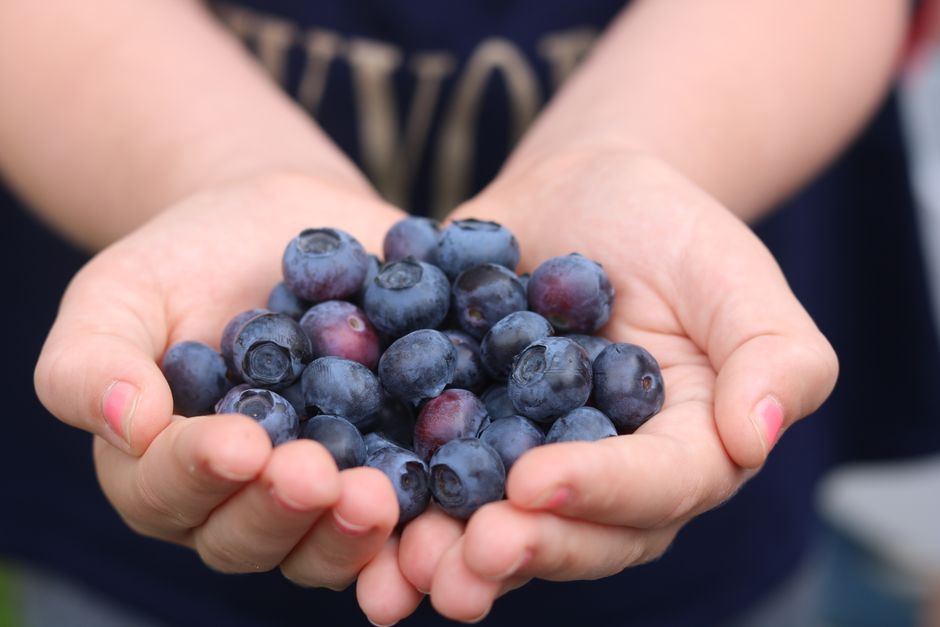
Blueberries are one of the few fruits native to North America, and they remain one of the most rewarding berry crops a home gardener can grow. The key to a bountiful harvest comes down to three things: acidic soil, full sun, and consistent moisture. Get those right and a single mature bush can produce fruit for decades.
Why Is Soil Acidity The Single Most Important Factor?
Blueberries are acid-loving plants. They grow best in soil with a pH between 4.5 and 5.5. This is not a preference — it is a biological requirement.
At higher pH levels, the iron and other micronutrients in soil become chemically bound and unavailable to the plant. The bush cannot take them up even though they are present. The result is a condition called iron chlorosis, where leaves turn yellow while the veins stay green. Over time the plant weakens and produces little or no fruit.
This is the most common reason home blueberry plantings fail. Gardeners plant them in ordinary garden soil, the bushes survive for a season or two, then decline.
Before planting, test your soil. Home test kits are widely available, and many state university extension services offer soil testing for a modest fee. If your pH is above 5.5, you have two practical options:
- Amend the planting area with elemental sulfur, which lowers pH over several months as soil bacteria convert it
- Grow blueberries in containers using a purpose-made acidic potting mix
Elemental sulfur works slowly. It typically takes a few months to shift pH meaningfully, and the exact amount needed depends on your starting pH and soil type. Follow the rate on the product label rather than guessing. Do not use aluminum sulfate as a shortcut — it can build up to toxic aluminum levels in soil over time.
Container growing sidesteps the problem entirely and is a genuinely good option for gardeners with alkaline soil or limited space. Use a large container, at least 18 to 24 inches across, and a potting mix formulated for acid-loving plants.
Which Blueberry Type Should You Plant?
Blueberries are not one plant. There are several distinct types, and choosing the right one for your climate matters more than almost any other decision.
Highbush blueberries are the most common garden type. They grow 4 to 7 feet tall and produce large, sweet fruit. They are well suited to cooler regions and are the type most often sold at garden centers.
Lowbush blueberries are low-growing, typically under 2 feet, and are the wild type native to northeastern North America. They spread by underground stems and are hardy in very cold climates.
Rabbiteye blueberries are the choice for the southern United States. They tolerate higher heat and less-than-perfect soil, grow 6 to 10 feet tall, and ripen later in the season. Their fruit is slightly firmer and seedier than highbush.
Southern highbush varieties were developed for mild-winter areas. They need fewer chill hours — the accumulated cold period that triggers flowering — than standard highbush, making them suitable for warmer zones.
If you are unsure which type suits your area, your local cooperative extension office is the most reliable source. Chill hour requirements vary by variety, and a plant that never gets enough cold will flower poorly or not at all.
Do You Need More Than One Bush?
Yes, in most cases. Many blueberry varieties are only partially self-fertile. They will set some fruit alone, but cross-pollination from a different variety of the same type generally produces larger berries and a bigger crop.
Plant at least two different varieties that bloom at the same time. The two varieties need to be the same type — two highbush varieties will cross-pollinate each other, but a highbush and a rabbiteye will not reliably do so because their bloom times differ.
Spacing matters too. Give highbush plants about 4 to 6 feet between them. Rabbiteye plants need more room, roughly 6 to 8 feet. Crowded bushes shade each other, reduce airflow, and make disease more likely.





When And How Should You Plant?
Plant bare-root blueberries in late winter or early spring while they are still dormant. Plant container-grown bushes in spring or early fall, avoiding the hottest part of summer.
Dig a hole wider than the root ball but no deeper. Blueberry roots are shallow and fibrous — they spread sideways rather than down. Planting too deep is a common mistake and can smother the crown.
If you amended your soil with sulfur, mix the amendment thoroughly into the planting area rather than dumping it in the hole. Concentrated sulfur near roots can damage them.
After planting, water thoroughly. Then apply a layer of mulch 2 to 4 inches deep. Pine bark, pine needles, and wood chips all work well. Mulch keeps the shallow roots cool and moist and slowly adds organic matter as it breaks down. Keep mulch a few inches away from the trunk itself.
How Do You Water And Feed Blueberries?
Blueberries have shallow roots and need consistent moisture. They do not tolerate drought well, and they do not tolerate soggy, waterlogged soil either. The goal is evenly moist, well-drained soil.
Aim for roughly 1 to 2 inches of water per week, from rain or irrigation combined. During fruit development, skimping on water reduces berry size. During the first year after planting, pay close attention — young bushes have small root systems and dry out faster.
For fertilizer, use one formulated for acid-loving plants rather than a general-purpose product. General fertilizers often contain nitrate nitrogen, which blueberries use poorly. Ammonium-based nitrogen sources are better suited to them.
Apply fertilizer in spring as growth begins, and again after harvest if the plant looks weak. Do not fertilize in late summer or fall — new growth that late may not harden off before winter and can be damaged by cold.
More fertilizer is not better. Excess nitrogen pushes leafy growth at the expense of fruit and can burn shallow roots. Follow label directions.
What About Pruning And Winter Care?
Blueberries produce fruit on wood that grew the previous season. This shapes how you prune.
For the first two or three years, remove only dead or damaged wood and any weak, spindly stems. Let the bush establish its structure.
Once the bush is mature, prune in late winter while it is still dormant. Remove the oldest canes at ground level to encourage new growth, and thin out crowded branches so light reaches the center of the plant. A bush that is never pruned becomes dense and produces smaller fruit on weaker wood.
In cold climates, highbush varieties are generally hardy enough to overwinter without protection. Rabbiteye and southern highbush types are less cold-hardy. If you grow them near the edge of their range, mulch heavily around the base after the ground freezes to insulate roots.
Container-grown blueberries are more exposed to cold than plants in the ground. In cold regions, move containers to a sheltered spot or insulate them.
What Pests And Diseases Should You Watch For?
Blueberries are relatively trouble-free compared to many fruit crops, but a few problems are common.
Birds are the single biggest threat to your harvest. They will strip a bush as fruit ripens. Netting draped over the plants is the most reliable protection. Put it on before berries start to color, not after.
Spotted wing drosophila is a small fruit fly that lays eggs inside ripening berries. Larvae develop inside the fruit, causing it to soften and collapse. This pest has become a significant problem for berry growers in many regions. Keeping fruit picked promptly and removing overripe or fallen berries reduces the population.
Mummy berry is a fungal disease that turns developing berries into hard, gray, shriveled “mummies.” These fall to the ground and release spores the following spring. Raking up and destroying fallen fruit and mulch around the base of the bush helps break the cycle.
Phytophthora root rot is a soil-borne disease favored by poorly drained soil. It is another reason good drainage matters. There is no effective cure once a plant is infected, so prevention through proper site selection is the main defense.
If you see yellowing leaves with green veins, that is usually a pH problem rather than a disease. Test the soil before assuming it is something else.
When Will You Get Fruit?
Expect to wait. A newly planted blueberry bush typically produces little or no fruit in its first year. The second year brings a small harvest. By year three or four, production increases noticeably, and a mature bush reaches full bearing around year five or six.
This timeline varies with variety, growing conditions, and plant age at purchase. A larger, older plant will produce sooner than a small bare-root start.
Harvest berries when they are fully blue and pull away from the stem easily. Berries do not ripen further after picking, so leave them on the bush until they are fully colored. They will keep in the refrigerator for roughly one to two weeks, and they freeze well.
Frequently Asked Questions
What is the best soil pH for blueberries?
Blueberries grow best at a soil pH between 4.5 and 5.5. At higher pH, iron and other nutrients become unavailable to the plant, causing yellowing leaves and poor fruiting.
Do you need two blueberry bushes to get fruit?
Many varieties are only partially self-fertile, so planting two different varieties of the same type generally increases berry size and yield. Cross-pollination requires the two varieties to bloom at the same time.
How long does it take for a blueberry bush to produce fruit?
A newly planted bush usually produces little or no fruit in year one and a small crop in year two. Full production typically arrives around year five or six.
Can you grow blueberries in containers?
Yes. Container growing works well and is often the better option for gardeners with alkaline soil. Use a large container and a potting mix made for acid-loving plants.
