
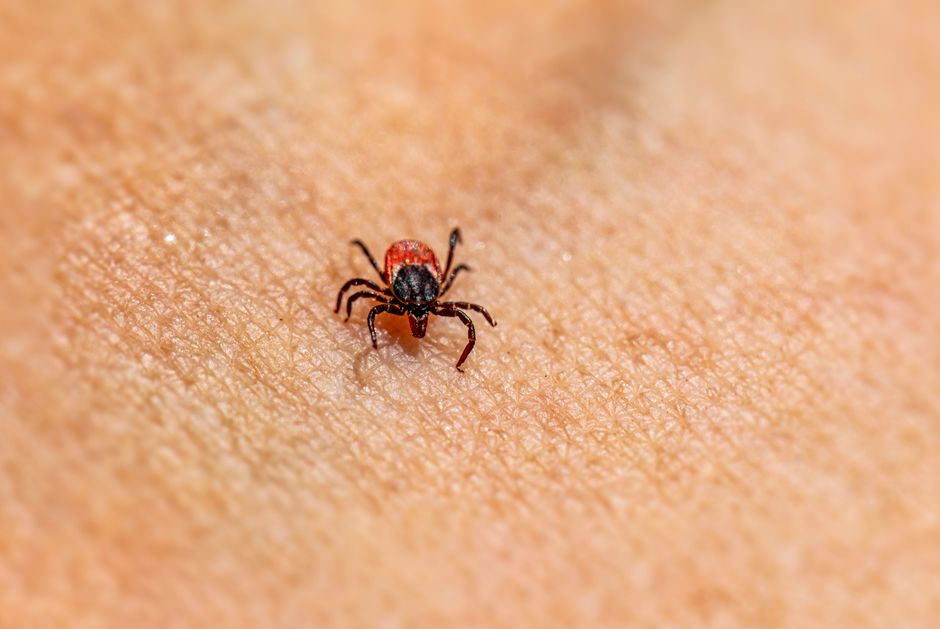
Flea bites on humans are intensely itchy, small red bumps that usually appear in clusters on the ankles and lower legs. To remove them and prevent scars, you need to stop the itching, avoid scratching, and treat the skin with basic first aid. The most effective approach involves washing the area, applying a cold compress, and using over-the-counter anti-itch creams until the skin heals naturally.
What Do Flea Bites Look Like on Human Skin?
Flea bites are distinct from other insect bites. They typically appear as small, red, raised bumps with a single puncture point in the center. A hallmark sign is their arrangement: fleas often bite two or three times in a row, creating a pattern that looks like a line or a small cluster of three bumps.
The most common locations are the feet, ankles, and lower legs. This is because fleas live low to the ground and jump onto a passing host. If you have a severe infestation in your home, you may also find bites on your arms or torso, especially if you sleep with pets.
The reaction you see is your immune system responding to flea saliva. The saliva contains proteins that trigger the release of histamine, a chemical that causes blood vessels to dilate and fluid to leak into the surrounding tissue. That fluid buildup is what creates the raised bump and the intense urge to scratch.
Why Scratching Causes Flea Bite Scars
The bite itself rarely leaves a permanent scar. The scar comes from your fingernails, not the flea. When you scratch a bite, you damage the top layers of your skin. If you break the skin, bacteria from your nails can enter the wound, leading to a secondary infection.
An infected bite becomes more inflamed, takes longer to heal, and is far more likely to leave a dark mark or a permanent scar. The medical term for a dark spot left after inflammation is post-inflammatory hyperpigmentation. This is not a true scar, but it can last for months, especially on darker skin tones.
True scars form when the damage extends deeper into the dermis, the second layer of skin. Repeated scratching can do this. The body then produces collagen to repair the area, and that collagen can form a raised or depressed scar that persists long after the bite has healed.
How To Remove Flea Bites On Humans And Prevent Scars
The immediate goal is to reduce inflammation and stop the itch before you scratch. Start by washing the bites with mild soap and cool water. This removes any dirt or bacteria on the surface and reduces the risk of infection.
Apply a cold compress or an ice pack wrapped in a clean cloth for 10 to 15 minutes. Cold constricts blood vessels, reducing swelling and numbing the nerve endings that send itch signals to your brain. You can repeat this several times a day as needed.
For persistent itching, an over-the-counter hydrocortisone cream works well. This is a mild steroid that suppresses the immune response in the skin, directly reducing inflammation and itch. Apply a thin layer to each bite, but do not use it on broken skin or for more than a few days without consulting a doctor.
Oral antihistamines can also help. Medications containing diphenhydramine or cetirizine block histamine receptors throughout the body, which reduces the itch sensation systemically. These are especially useful at night when itching tends to worsen and disrupt sleep.





Home Remedies That Actually Work
Several home treatments can provide relief, though the evidence for them is less robust than for clinical treatments. A cool oatmeal bath is a traditional remedy that some research suggests has anti-inflammatory properties. Colloidal oatmeal forms a protective barrier on the skin and can soothe irritated areas.
Aloe vera gel applied directly from the leaf or from a pure commercial product can cool the skin and provide mild relief. It does not treat the underlying inflammation as effectively as hydrocortisone, but it is a safe alternative if you prefer a natural option.
Witch hazel is another option. It contains tannins that have a mild astringent effect, which can help dry out the bite and reduce itching. Apply it with a cotton ball two or three times daily.
One remedy to avoid is applying heat. Some people run hot water over bites because it temporarily feels good. This actually increases blood flow to the area, which worsens inflammation and makes the itching more intense once the heat is removed.
When To See a Doctor for Flea Bites
Most flea bites resolve on their own within one to two weeks. You should seek medical attention if you notice signs of infection. These include increasing redness, warmth, swelling, pus, or red streaks spreading from the bite site.
You should also see a doctor if you develop a fever, hives, or difficulty breathing. While rare, some people have a severe allergic reaction to flea saliva. This requires prompt medical evaluation.
If you have a weakened immune system or a condition like diabetes that impairs wound healing, it is wise to have any insect bites checked early. Delayed healing increases the risk of complications and scarring.
How To Prevent Flea Bites in the First Place
Prevention is the most effective way to avoid scars. Treat your pets with veterinarian-approved flea prevention products. This is the single most important step because pets are the primary carriers of fleas into a home.
Vacuum your home thoroughly and frequently, especially carpets, rugs, and areas where pets sleep. The vacuum removes adult fleas, eggs, and larvae. Dispose of the vacuum bag immediately after use to prevent fleas from escaping back into the environment.
Wash all bedding, pet bedding, and soft furnishings in hot water. Fleas and their eggs cannot survive the heat of a washing machine. Regular laundering breaks the flea life cycle and reduces the population in your home.
If you have a severe infestation, you may need a professional pest control service. Over-the-counter sprays can help, but they often miss the hidden eggs and larvae. A professional can apply treatments that target all life stages of the flea.
How To Fade Existing Flea Bite Marks
If you already have dark marks from previous bites, they will fade with time. The skin naturally sheds and regenerates every few weeks. Most post-inflammatory hyperpigmentation resolves within a few months without any intervention.
Sun protection is critical during this period. UV exposure darkens hyperpigmented areas and makes them last longer. Apply a broad-spectrum sunscreen with an SPF of at least 30 to the affected areas if they are exposed to the sun.
Some over-the-counter products may speed up the fading process. Products containing niacinamide or vitamin C have some evidence of reducing hyperpigmentation. Silicone gel sheets are also used to flatten and soften raised scars, though they are more commonly used on surgical scars than on bite marks.
Do not use harsh bleaching agents or acids without medical supervision. Products with strong concentrations of hydroquinone or glycolic acid can cause chemical burns if used incorrectly, which would create a worse scar than the original bite.
Frequently Asked Questions
How long do flea bites take to heal?
Most flea bites heal within one to two weeks. The itching usually subsides within a few days if you do not scratch.
Can toothpaste really stop flea bite itching?
There is no clinical evidence that toothpaste relieves insect bite itching. It may provide a cooling sensation, but it can also irritate the skin and cause contact dermatitis.
Do flea bites scar permanently?
Flea bites themselves rarely leave permanent scars. Permanent marks are almost always caused by scratching, which damages deeper skin layers or leads to infection.
Can I get fleas from my pet?
Fleas prefer animal hosts, but they will bite humans when pets are not available. If your pet has fleas, you are at risk of being bitten, especially on your lower legs.
