
Yellow teeth are one of the most common cosmetic dental concerns, and the causes range from your daily coffee habit to the natural aging process. The good news is that most yellowing is preventable, and many solutions exist to brighten your smile safely. Prevention starts with understanding why teeth change color, then targeting your specific cause with proven habits and treatments.
What Actually Causes Yellow Teeth?
Tooth discoloration falls into two main categories: extrinsic and intrinsic. Extrinsic stains sit on the surface of the enamel. Intrinsic stains occur inside the tooth structure itself.
Extrinsic staining is the most common cause of yellow teeth. Dark beverages like coffee, tea, and red wine contain tannins that bind to enamel. Tobacco smoke leaves tar and nicotine residue that creates a brownish-yellow film. Over time, these surface stains accumulate and become more visible.
Intrinsic yellowing happens below the enamel. The most significant cause is dentin, the layer beneath enamel, naturally darkening with age. Enamel also thins over decades, making the yellow dentin show through more clearly. This is why older adults often have yellower teeth regardless of their oral hygiene.
Some medications cause intrinsic discoloration. Tetracycline antibiotics taken during childhood can permanently stain developing teeth. Fluoride consumed in excess during early childhood can cause fluorosis, which appears as white or brown spots.
Trauma is another cause. A blow to a tooth can damage the internal blood vessels, causing the tooth to darken over time. This type of staining often affects a single tooth rather than the whole smile.
Daily Habits That Prevent Surface Stains
Your daily routine has the biggest impact on preventing yellow teeth. Brushing twice a day removes plaque and surface stains before they set. Use a soft-bristled brush and fluoride toothpaste. Brush for two full minutes, covering all surfaces of every tooth.
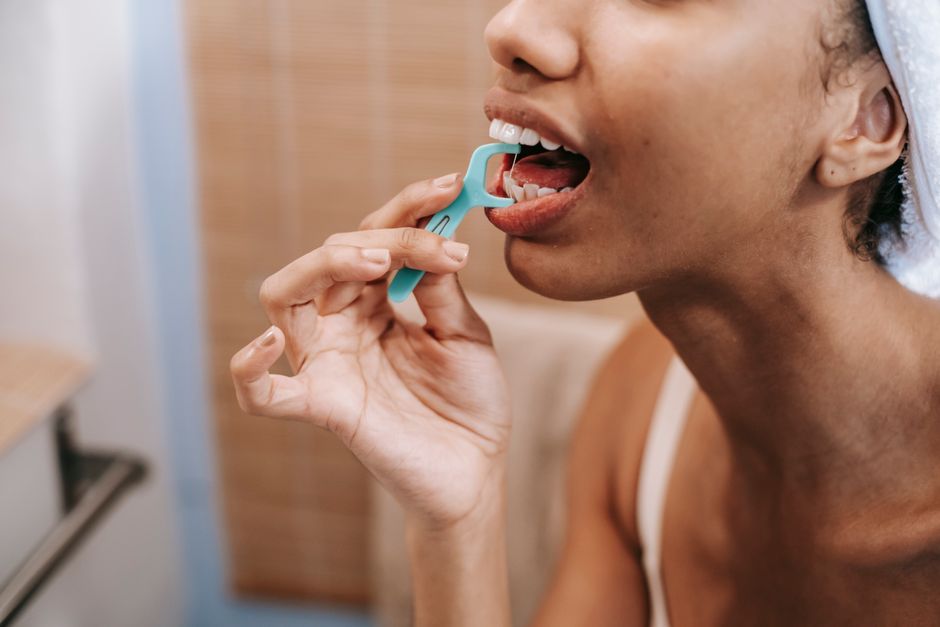
Flossing matters more than most people realize. Plaque builds up between teeth where brushing cannot reach. This plaque traps stain-causing compounds against the enamel. Daily flossing removes it before it hardens into tartar, which is much harder to remove.
Rinsing your mouth with water after drinking coffee, tea, or wine reduces stain accumulation. The water dilutes the staining compounds and washes them off the enamel surface. Swish for a few seconds before swallowing.
Drinking dark beverages through a straw minimizes contact with your front teeth. This simple change significantly reduces surface staining on the most visible teeth. It will not help your back teeth, but those are less visible.
Timing matters for brushing after acidic drinks. Acid softens enamel temporarily. Brushing immediately after drinking soda or citrus juice can wear away softened enamel. Wait at least 30 minutes after acidic beverages before brushing.
Foods That Help Keep Teeth White
Certain foods naturally help clean teeth and reduce staining. Crunchy fruits and vegetables like apples, carrots, and celery stimulate saliva production. Saliva is your mouth’s natural cleaning system, washing away food particles and neutralizing acids.
Strawberries contain malic acid, which some research suggests may help remove surface stains. The evidence is limited and does not support using strawberries as a whitening treatment. Eating them as part of a normal diet is fine, but do not expect dramatic whitening results.
Dairy products like cheese and yogurt contain calcium and phosphate. These minerals help strengthen enamel and may reduce the risk of erosion. Stronger enamel is more resistant to staining.
Water is the most underrated tool for preventing yellow teeth. Fluoridated tap water strengthens enamel and helps repair early decay. Drinking water throughout the day keeps your mouth hydrated and washes away stain-causing compounds.




What Makes Yellow Teeth Worse
Some habits accelerate yellowing beyond normal staining. Smoking and vaping are among the worst offenders. Tobacco products cause both surface stains and deeper discoloration. Quitting tobacco is one of the most effective steps you can take for whiter teeth and better overall health.
Acidic foods and drinks erode enamel, making teeth more porous and more prone to staining. Soda, sports drinks, and citrus juices are the main culprits. When enamel erodes, the yellow dentin underneath becomes more visible.
Over-brushing is a genuine problem. Brushing aggressively or using a hard-bristled brush wears away enamel over time. This damage is permanent. Use gentle pressure and let the bristles do the work.
Certain mouthwashes can contribute to staining. Chlorhexidine, an antibacterial rinse sometimes prescribed for gum disease, can cause brown staining with extended use. This effect is temporary and reverses after stopping the rinse.
Professional Whitening Options
Professional whitening is the most effective treatment for yellow teeth. Dentists offer in-office whitening using high-concentration hydrogen peroxide or carbamide peroxide. These treatments produce noticeable results in a single visit.
Take-home trays from your dentist are another option. Your dentist makes custom trays that fit your teeth precisely. You apply a professional-strength gel at home for a set period each day. Results typically appear within one to two weeks.
Professional treatments are more effective than over-the-counter products because the active ingredients are stronger. They also come with professional supervision, reducing the risk of damage to your gums or enamel.
Whitening does not work on all types of discoloration. It is highly effective for yellow and brown stains from food, drink, and aging. It does not work on stains from tetracycline, trauma, or fluorosis. These require different treatments like veneers or bonding.
Sensitivity is the most common side effect of professional whitening. Teeth may feel sensitive to cold air and cold drinks for a few days after treatment. This effect is temporary and usually resolves on its own.
Over-the-Counter Whitening Products
Over-the-counter whitening products are widely available and can be effective for mild surface stains. Whitening toothpaste contains mild abrasives that polish away surface stains. These products do not change the internal color of your teeth.
Whitening strips use a lower concentration of peroxide than professional treatments. They can produce visible results in one to two weeks of daily use. Results vary based on the starting color of your teeth and the specific product.
Whitening rinses contain small amounts of peroxide. They are less effective than strips because the contact time with teeth is short. They work best as a maintenance tool after professional whitening.
Be cautious with charcoal toothpaste and DIY whitening trends. Charcoal is abrasive and may wear away enamel with continued use. No strong clinical evidence supports charcoal toothpaste as an effective whitening treatment. Some dentists advise against it entirely.
LED light kits claim to accelerate whitening. The evidence for these devices is mixed. The whitening effect comes primarily from the peroxide gel, not the light. Some studies suggest a modest benefit, but the added cost may not be worth it.
When to See a Dentist
See your dentist if you notice sudden or uneven tooth discoloration. A single dark tooth may indicate decay or trauma that needs treatment. Yellowing that appears rapidly could signal an underlying health issue.
Regular dental cleanings remove tartar that brushing cannot. Tartar is hardened plaque that traps stains and appears yellow or brown. Professional cleaning removes it and restores a brighter appearance.
Your dentist can also identify the specific cause of your discoloration. This matters because the right treatment depends on the cause. Surface stains respond to whitening. Intrinsic stains may not. Enamel erosion requires a different approach entirely.
If whitening treatments cause prolonged sensitivity or gum irritation, stop using them and consult your dentist. These symptoms usually resolve, but persistent discomfort warrants professional evaluation.
Frequently Asked Questions
How long does it take to see results from whitening toothpaste?
Whitening toothpaste typically takes two to six weeks of regular use to show visible results. These products only remove surface stains and cannot change the internal color of your teeth.
Can yellow teeth become white again naturally?
Mild surface staining can improve with better brushing habits and dietary changes. Deeper yellowing from aging or thinning enamel requires professional whitening or cosmetic treatments.
Does oil pulling whiten teeth?
Some research suggests oil pulling may reduce plaque and bacteria, but no strong evidence confirms it whitens teeth. It is not a substitute for brushing, flossing, or professional whitening.
Is professional whitening safe for sensitive teeth?
Professional whitening is generally safe but can cause temporary sensitivity. Your dentist can use lower concentrations or desensitizing treatments to minimize discomfort.
