
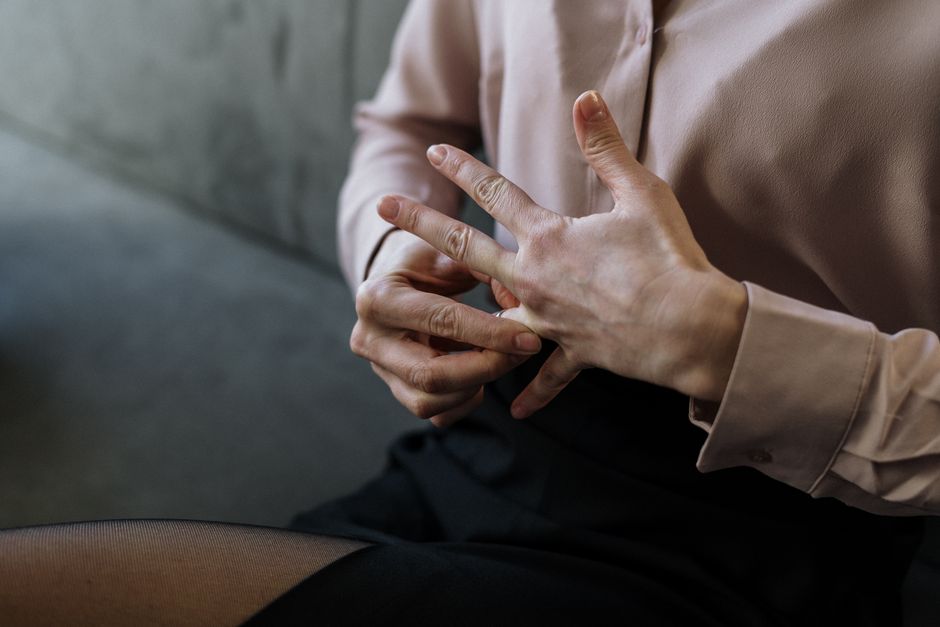
A tungsten ring stuck on your finger is a specific problem because tungsten carbide is extremely hard and cannot be cut with standard ring cutters. The safe and effective method is not to cut the ring, but to break it using a tool designed for the job, such as a tungsten ring breaker or a pair of vice-grip pliers. Because the material is brittle, it shatters under sudden, focused pressure rather than bending, allowing for quick removal without injury.
Why Tungsten Rings Get Stuck and Can’t Be Cut
Tungsten rings are popular because they resist scratches and keep their shape. That same hardness is the problem when the ring needs to come off. Most rings are made of softer metals like gold, silver, or titanium, which a jeweler can cut with a standard saw. Tungsten carbide is different. It ranks close to diamond on the hardness scale. A typical ring cutter will dull or break against it.
The good news is that tungsten’s hardness comes with brittleness. It does not bend or deform like softer metals. When enough direct pressure is applied, it fractures cleanly. This is the principle behind every successful removal method. You are not sawing through the ring, you are cracking it.
The Correct Way to Break a Tungsten Ring
The most reliable tool is a tungsten ring breaker. Many emergency rooms and jewelry stores keep one on hand. The tool looks like a heavy-duty clamp with a small, blunt screw tip. You place the ring inside the clamp and tighten the screw directly against the ring’s surface. The pressure increases until the ring snaps. The process takes seconds and the force is contained, so there is minimal risk to your finger.
If you do not have access to a ring breaker, a pair of locking pliers, often sold as Vise-Grips, can work in an emergency. Set the pliers to grip the ring firmly at one point. Apply sudden, hard pressure. The goal is a single sharp squeeze, not a slow twist. The ring should crack. This method requires a steady hand and carries a slightly higher risk of pinching the skin, so it is best done by someone else who can see what they are doing.
Do not attempt to pull the ring off with force. Pulling causes the skin to swell, which makes the ring tighter and the situation worse. Do not use heat to try to expand the metal. Tungsten conducts heat efficiently and you can burn your finger severely before the ring expands enough to help.
Home Methods That Work Before Calling for Help
Before you reach for tools, try to reduce swelling. This alone may allow the ring to slide off. Elevate your hand above your heart for several minutes. Apply a cold pack to the finger and hand. The goal is to shrink the soft tissue, not the ring.
Lubrication is the next step. Soap and water, hand lotion, or cooking oil can reduce friction. Work the lubricant around the ring and try to rotate it gently. If it moves at all, continue rotating while pulling slowly. If it does not budge after a few attempts, stop. Repeated pulling will only increase swelling.
Some people recommend the string method, where you thread dental floss or thin string under the ring and wrap it tightly around the finger to compress the swelling, then unwind the string to guide the ring off. This technique works best on rings that are only slightly tight. It is less effective on tungsten because the ring has no give, but it is worth trying if the ring is not severely stuck.





What Not to Do: Dangerous Myths and Methods
Several viral videos suggest using a hammer to shatter a tungsten ring. Do not do this. A hammer blow is uncontrolled. It can crush the finger bones, damage tendons, or send sharp fragments into the skin. The force from a hammer is too broad and too strong for the small area of the finger.
Another common myth is that you can freeze the ring and then crack it with a quick strike. Freezing can cause tissue damage if left on too long, and the ring may not become brittle enough to break cleanly. The risk of injury far outweighs any benefit.
Do not use a rotary tool with a cutting disc. Tungsten will dull the disc and generate intense heat. The heat can burn the finger, and the disc can catch and spin the ring violently. This method is dangerous and rarely works.
Never try to dissolve the ring with chemicals. There is no household chemical that safely dissolves tungsten carbide. Strong acids or bases will damage your skin long before they affect the ring.
When to Go to the Emergency Room
If the finger is numb, pale, blue, or cold, you need medical help immediately. These are signs that blood flow is restricted. Waiting can lead to permanent nerve or tissue damage. Go to an emergency room or urgent care center without delay.
Emergency departments have the proper tools and training to remove stuck rings quickly. They can use a tungsten ring breaker or, if needed, apply a local anesthetic before attempting removal. They can also treat any cuts or abrasions that occurred while the ring was stuck.
If the finger is swollen but still pink and warm, you have more time, but do not wait hours. Swelling tends to increase, making removal harder the longer you wait. A jeweler can often help during business hours, but if it is evening or a weekend, the emergency room is the safest choice.
What Happens After the Ring Is Removed
Once the ring is off, the finger may be sore, red, and swollen for a day or two. Wash the area gently with soap and water. Apply an antibiotic ointment if there are any broken areas of skin. Keep the hand elevated to reduce swelling.
If the finger was numb or discolored at any point, watch for lingering symptoms. Numbness that lasts more than a few hours after removal, or pain that worsens, should be checked by a doctor. These could indicate nerve compression or a minor fracture that you did not notice during the event.
Most people recover fully without any lasting effects. The finger typically returns to normal within a few days. If you plan to replace the ring, consider a size that fits more loosely, especially if your fingers swell during heat, exercise, or pregnancy.
Preventing a Tungsten Ring From Getting Stuck Again
The best prevention is a correct fit. A ring should slide over the knuckle with slight resistance and then sit snugly but not tightly. It should be easy to rotate on the finger but not loose enough to fall off. If your ring feels tight at the end of the day or after physical activity, it is too small.
Remove your ring before activities that cause hand swelling. This includes heavy lifting, long runs, or hot weather exposure. Keep your ring off when using harsh chemicals, as some can irritate the skin underneath and cause swelling.
If you have a tungsten ring that has been resized or repaired, check the integrity of the band regularly. Cracks or weak points can cause the ring to break unexpectedly during normal wear, which is a different problem than a stuck ring but equally inconvenient.
Frequently Asked Questions
Can a tungsten ring be cut off with a standard ring cutter?
No, a standard ring cutter will not work on tungsten carbide because the metal is too hard. The ring must be broken with a tungsten ring breaker or heavy-duty pliers.
Is it safe to break a tungsten ring off with pliers at home?
It can be safe if done carefully with locking pliers and a single sharp squeeze, but it carries a risk of pinching the skin. If you are not confident, go to an emergency room where they have the proper tools.
How long can a ring stay stuck before it causes permanent damage?
Permanent damage can occur within hours if blood flow is completely blocked. If your finger is numb, pale, or blue, seek emergency care immediately rather than waiting.
Will a tungsten ring break on its own from normal wear?
No, tungsten rings are highly durable and will not break from everyday activities. They only break under sudden, concentrated force, which is why intentional breaking is the removal method.
