
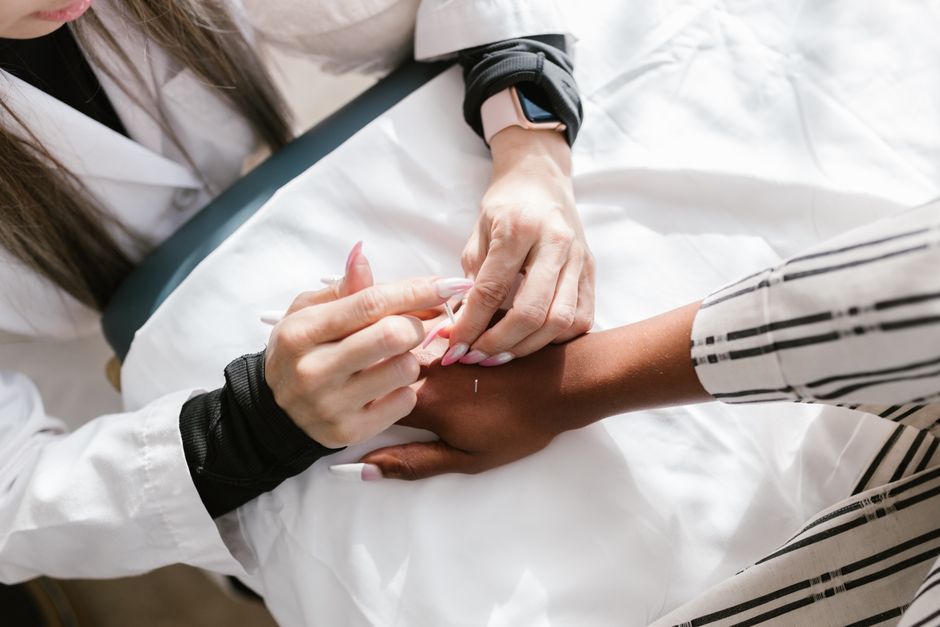
A splinter is a small piece of wood, glass, metal, or other material that gets stuck under your skin. It hurts because the skin is packed with nerve endings. The risk of infection comes from bacteria that ride in on the splinter itself. The good news is that you can remove most splinters at home in a few minutes. The key is to use the right tools, keep everything clean, and know when to stop and see a doctor.
Why Do Splinters Hurt So Much?
The skin is your body’s largest sensory organ. It has millions of nerve endings designed to detect pressure, heat, and damage. A splinter pushes into these nerve endings, which sends a sharp pain signal to your brain. The pain is worse when the splinter moves, which is why wiggling it or pressing on it hurts more.
Your body also responds to the splinter as a foreign invader. Blood flow increases to the area. White blood cells arrive to fight off any bacteria. This causes redness, swelling, and warmth. That response is normal. It means your immune system is working. But it also means you should remove the splinter quickly to prevent bacteria from multiplying.
What You Need Before You Start
Preparation matters more than speed. Trying to dig out a splinter with a dull tool or dirty hands makes the pain worse and raises the risk of infection. Gather these items first:
- Soap and warm water
- Rubbing alcohol or antiseptic wipes
- Clean tweezers with a pointed tip
- A clean needle or pin (preferably sterile)
- A magnifying glass, if you have one
- Antibiotic ointment and a bandage
Wash your hands thoroughly with soap and water before touching the area. Then clean the tweezers and needle with rubbing alcohol. If you use a needle, you can also pass it through a flame for a few seconds to sterilize it. Let it cool completely before using it. Never use a needle that is rusty, dirty, or shared with another person.
How To Remove A Splinter Without Pain Or Infection
Start by washing the area around the splinter with soap and warm water. This removes surface bacteria and makes the skin easier to see. Pat it dry with a clean towel. Do not squeeze the splinter. Squeezing can push it deeper or break it into smaller pieces.
If part of the splinter is sticking out, grip it firmly with the tweezers as close to the skin surface as possible. Pull it out at the same angle it went in. Do not yank sideways. Pull slowly and steadily. The splinter should slide out without much resistance.
If the splinter is completely buried, you need to expose the tip first. Use the sterilized needle to gently lift the layer of skin over the splinter. Work the needle point under the splinter and try to raise one end. Once you can see it, grab it with the tweezers and pull it out. Go slowly. If you feel sharp pain, stop and reposition the needle rather than digging deeper.
After the splinter is out, wash the area again with soap and water. Apply a thin layer of antibiotic ointment and cover it with a bandage. This keeps the wound clean while the skin seals itself. Most small splinter wounds close within a day or two.





What Works And What Does Not
There are many folk remedies for splinter removal. Some have evidence behind them. Others do not. Here is what the evidence actually shows.
Baking soda paste. Some research suggests that a paste made from baking soda and water can help draw out a splinter. The theory is that the paste draws fluid to the area, which helps push the splinter toward the surface. The evidence is limited, but it is harmless and worth trying for shallow splinters. Apply the paste, cover it with a bandage, and leave it for several hours.
Duct tape or adhesive tape. This can work for very shallow splinters that are barely under the skin. Press the tape over the area, leave it for a few minutes, then pull it off in the opposite direction of the splinter. It works best on tiny glass shards or fiberglass splinters. It rarely works for wood splinters that are deeper.
Soaking in warm water. Soaking softens the skin, which can make the splinter easier to grab. It also helps with pain. Add a little Epsom salt if you have it. Soak for 10 to 15 minutes before trying to remove the splinter. This is especially helpful for splinters in the hands or feet.
Hydrogen peroxide. This does not draw out a splinter. It is a cleaning agent. Using it before removal can help disinfect the area, but it does not make removal easier. Some studies suggest hydrogen peroxide can irritate the wound and slow healing. Plain soap and water is just as effective for cleaning.
Cutting around the splinter. Never do this. Cutting into healthy skin with scissors or a knife increases the risk of infection and creates a larger wound. It also causes more pain. If you cannot get the splinter out with tweezers and a needle, see a doctor.
How To Remove A Splinter From A Child
Children often react to splinters with fear and movement. The more they move, the harder removal becomes. Start by calming them down. Explain what you are going to do in simple words. Let them hold a favorite toy or watch a short video to distract them.
Numbing the area can help. Apply an ice cube wrapped in a cloth to the skin for a few minutes. This reduces pain and numbs the area slightly. You can also use a over-the-counter numbing gel that contains benzocaine or lidocaine. Follow the package directions for age limits and dosage.
Work quickly but gently. If the child becomes too upset or the splinter is hard to reach, stop. It is better to take them to a doctor than to force removal and cause a bigger wound. A doctor can remove the splinter with better tools and stronger numbing options.
When To See A Doctor
Most splinters come out easily at home. But some situations need professional care. See a doctor if any of the following apply:
- The splinter is deep, large, or embedded in the face, eye, or joint
- The splinter is under a fingernail or toenail and you cannot reach it
- You cannot get the splinter out after 10 to 15 minutes of trying
- The splinter broke into pieces and some remain under the skin
- The splinter is made of metal, glass, or other material that may show up on an X-ray
- You have diabetes, a weakened immune system, or poor circulation
- You have not had a tetanus shot in the past 5 to 10 years
A doctor can use a scalpel to make a small incision, a sterile probe to locate the splinter, and local anesthesia to numb the area. For deeply embedded splinters, they may use an X-ray to find the exact position. This is especially important for glass or metal splinters that are hard to see.
Signs Of Infection To Watch For
Even with careful removal, infection can happen. Watch the area for the next few days. Signs of infection include:
- Increasing redness that spreads beyond the immediate wound
- Warmth that gets worse instead of better
- Swelling that increases after the first day
- Pus or yellow-green fluid draining from the wound
- Red streaks running from the wound toward the body
- Fever or chills
If you notice any of these signs, see a doctor promptly. An infected splinter wound may need antibiotics. Do not wait to see if it gets better on its own. Early treatment is simpler and more effective.
Tetanus is a rare but serious concern with splinters, especially from rusted metal or soil-contaminated wood. Tetanus bacteria can enter the body through a puncture wound. If you have not had a tetanus booster in the past 10 years, or if you are unsure of your vaccination status, contact your doctor. They may recommend a booster shot within 48 hours of the injury.
How To Prevent Splinters In The First Place
Prevention is simpler than removal. Wear gloves when handling wood, working in the garden, or doing home repairs. Leather gloves offer the best protection against wood splinters. Wear shoes when walking on wooden decks, docks, or playground surfaces. Check wooden toys and furniture for splinters, especially those used by children.
If you work with fiberglass, wear long sleeves and gloves. Fiberglass splinters are tiny and extremely irritating. They are also harder to see and remove than wood splinters. Some people use a piece of duct tape to lift fiberglass splinters off the skin before they embed deeper.
For people who work with wood regularly, keeping a splinter removal kit at home or in a workshop makes sense. A good pair of tweezers, a sterile needle, antiseptic wipes, and bandages cost very little and save time when a splinter happens.
Frequently Asked Questions
Does soaking a splinter in water help it come out?
Yes, soaking in warm water for 10 to 15 minutes softens the skin and can make the splinter easier to grab. Adding Epsom salt may help, though the evidence for this is limited.
What should I do if the splinter breaks off under the skin?
If part of the splinter remains under the skin and you can see it, try to remove it with sterilized tweezers. If you cannot see it or cannot grab it, see a doctor rather than digging deeper.
Can I leave a splinter in if it does not hurt?
No, you should remove it. Even a painless splinter can carry bacteria that cause infection. The longer it stays in, the harder it becomes to remove as skin heals over it.
How long does it take for a splinter wound to heal?
Most small splinter wounds close within one to three days. Full healing of the skin layers takes about a week. Keep the area clean and covered until the skin has closed.
