
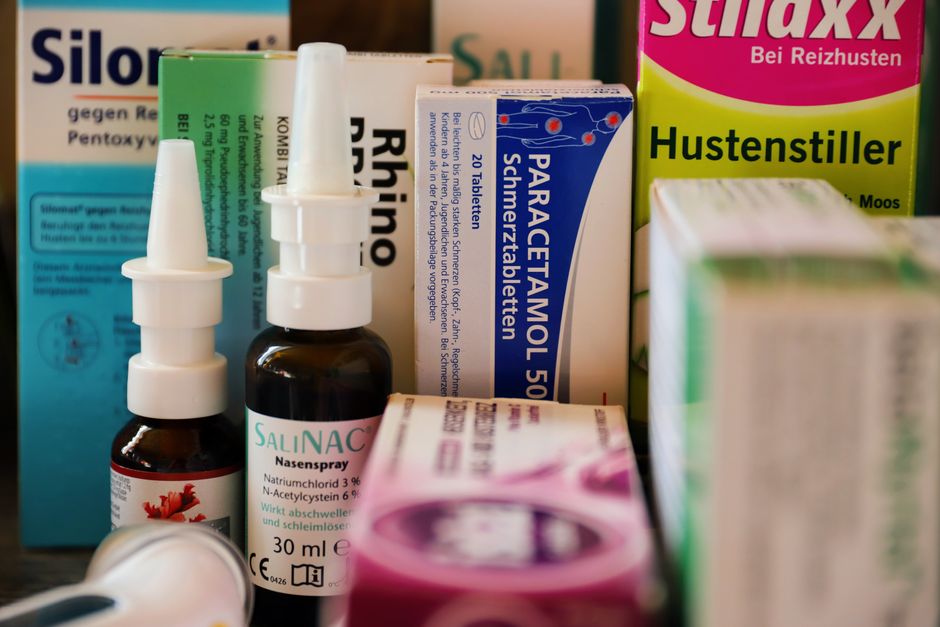
When you have a sinus infection, doctors usually start with what you can do at home, not a prescription pad. For most cases, the first line of treatment is saline nasal rinses, pain relievers, and time. Antibiotics are only prescribed when a bacterial infection is strongly suspected or confirmed, which happens in a minority of cases. If you have allergies or chronic sinusitis, your doctor may recommend a steroid nasal spray to reduce inflammation.
What Is a Sinus Infection, Exactly?
A sinus infection, also called sinusitis, happens when the tissue lining your sinuses becomes swollen and inflamed. Your sinuses are hollow spaces in your skull, located around your nose, cheeks, and eyes. Normally they drain mucus through small openings. When those openings swell shut, mucus builds up and can become a breeding ground for bacteria.
Most sinus infections are caused by viruses, not bacteria. The common cold is the usual trigger. When you have a cold, the same virus that inflames your nasal passages can also inflame your sinuses. This is why most sinus infections clear up on their own within 7 to 10 days without any prescription medication.
Doctors make a distinction between acute sinusitis, which lasts less than four weeks, and chronic sinusitis, which lasts longer than 12 weeks. The treatment approach differs based on which type you have and what is causing it.
When Do Doctors Prescribe Antibiotics for a Sinus Infection?
Antibiotics are not the default answer. Clinical guidelines are clear that most sinus infections do not need antibiotics because most are viral. Taking antibiotics for a viral infection does not help and contributes to antibiotic resistance.
Doctors consider antibiotics when you have specific signs of a bacterial infection. Those signs include symptoms lasting more than 10 days without improvement, a double worsening where you start to get better and then suddenly get worse, or a high fever along with thick nasal discharge and facial pain for at least three days in a row.
When antibiotics are prescribed, amoxicillin is commonly used as a first choice. If you are allergic to penicillin, doctors may choose a different class of antibiotics. The full course matters. You should finish the entire prescription even if you feel better before it is gone. Stopping early can allow the bacteria to survive and become resistant.
What Do Doctors Give You For a Sinus Infection Besides Antibiotics?
For most people, the treatment plan involves managing symptoms while the infection runs its course. Saline nasal sprays or rinses are frequently recommended. They help flush out thick mucus and keep nasal passages moist. You can buy these over the counter without a prescription.
Pain relievers like acetaminophen or ibuprofen can reduce facial pain, headache, and fever. These are available over the counter. Decongestants may also be suggested. Oral decongestants like pseudoephedrine can help shrink swollen nasal tissues, but they are not recommended for everyone. People with high blood pressure or heart conditions should check with their doctor before using them.
Steroid nasal sprays are another option. Some are available over the counter, and stronger versions require a prescription. These sprays reduce inflammation in the nasal passages. They are especially useful if you have allergies that contribute to your sinus problems. They do not work immediately. They typically take several days of daily use to show benefit.
Mucolytics like guaifenesin are sometimes recommended to thin mucus. The evidence for their effectiveness in sinus infections is limited, but some doctors suggest them because they are low-risk and may make mucus easier to clear.





Why Doctors Are Hesitant to Prescribe Antibiotics Right Away
Antibiotic resistance is a serious public health problem. Every time antibiotics are used unnecessarily, bacteria have a chance to adapt and become resistant. This means the antibiotics may stop working for you or others in the future. Doctors take this seriously, and guidelines reflect that caution.
Another reason for hesitation is side effects. Antibiotics can cause diarrhea, nausea, and allergic reactions. They can also disrupt the normal balance of bacteria in your gut. Taking a drug with these risks when it will not help your viral infection is not good medicine.
Research consistently shows that most people with acute sinusitis improve on their own within two weeks, whether or not they take antibiotics. In some studies, antibiotics offered only a modest benefit for certain patients, while most people recovered without them. This is why the watchful waiting approach is common. Your doctor may ask you to wait a few more days before deciding whether antibiotics are needed.
What About Chronic Sinusitis Treatment?
Chronic sinusitis is a different situation. Symptoms last longer than 12 weeks despite treatment. The causes are often more complex, involving ongoing inflammation, nasal polyps, or structural issues in the nose.
For chronic sinusitis, doctors commonly prescribe steroid nasal sprays as a mainstay of treatment. These are used daily over a long period to control inflammation. Saline rinses are also a standard recommendation for chronic cases. Some doctors recommend rinsing with a solution that includes a small amount of steroid medication, though this is an off-label use that requires a prescription.
Antibiotics are sometimes used for chronic sinusitis, but not as a first-line treatment. If a doctor suspects a bacterial component, they may prescribe a longer course of antibiotics, often lasting three to four weeks. This is different from the shorter course used for acute infections.
If you have chronic sinusitis with nasal polyps, newer biologic medications may be an option. These are injectable drugs that target specific parts of the immune system involved in inflammation. They are typically reserved for severe cases that do not respond to other treatments. A specialist usually manages this type of therapy.
In some cases, imaging like a CT scan is needed to see what is happening inside your sinuses. Surgery is considered only when medical treatment fails and you have structural problems or persistent polyps that block drainage.
Home Remedies That Doctors Actually Recommend
Before or alongside any medication, doctors often suggest simple home measures that have real physiological benefit. Steam inhalation can help moisten nasal passages and thin mucus. You can do this by taking a hot shower and breathing in the steam, or using a bowl of hot water with a towel over your head.
Warm compresses applied to your face can ease sinus pressure and pain. Placing a warm, damp cloth over your forehead and cheeks for a few minutes several times a day can provide noticeable relief.
Staying hydrated is genuinely helpful. Drinking enough fluids keeps mucus thinner and easier to drain. There is no magic amount, but if your urine is pale yellow, you are likely drinking enough.
Elevating your head while sleeping can help your sinuses drain better. Using an extra pillow to keep your head raised above your chest may reduce nighttime congestion.
Humidifiers in your bedroom can add moisture to dry air, which can irritate already inflamed nasal passages. Keeping the humidity level between 30 and 50 percent is a reasonable target.
What Does Not Work for Sinus Infections?
Several popular remedies have little to no evidence behind them. Antibiotics for a clearly viral infection do not work. Taking leftover antibiotics from a previous illness is never a good idea. You may have the wrong drug, the wrong dose, or an expired medication, and you may not even have a bacterial infection.
Some people turn to complementary treatments like zinc or vitamin C at high doses. These have not been shown to cure an active sinus infection. They may have a minor role in reducing cold duration if started early, but they do not treat sinusitis once it develops.
Nasal decongestant sprays like oxymetazoline can provide fast relief, but they should not be used for more than three days. Using them longer can cause rebound congestion, where your nose becomes more blocked than before. This is a well-documented effect, and doctors warn against prolonged use.
Some alternative treatments like colloidal silver or essential oil ingestion are not supported by evidence and can be harmful. No clinical evidence currently confirms these as safe or effective for sinus infections.
When Should You See a Doctor?
Most sinus infections do not require a doctor visit. But certain symptoms warrant medical attention. If you have a fever above 102°F, severe headache, facial swelling, confusion, or vision changes, seek care promptly. These can be signs of a more serious infection spreading beyond your sinuses.
Symptoms that last longer than 10 days without improvement also justify a visit. If you improve and then suddenly get worse, that is another reason to be evaluated. Frequent sinus infections, defined as four or more per year, may also need investigation to find an underlying cause.
People with weakened immune systems, asthma, or other chronic conditions should have a lower threshold for seeing a doctor. Children with suspected sinus infections should also be evaluated, especially if symptoms are severe or prolonged.
In rare cases, untreated bacterial sinusitis can spread to the eye or brain. This is uncommon, but it is serious. The symptoms listed above — facial swelling, vision problems, severe headache — are the warning signs to take seriously.
Frequently Asked Questions
How long does a sinus infection last without antibiotics?
Most viral sinus infections clear up within 7 to 10 days. Bacterial infections can last longer, which is why persistent symptoms beyond 10 days are a reason to see a doctor.
Can a doctor tell if my sinus infection is bacterial or viral?
Doctors diagnose based on your symptoms and how long they have lasted. There is no simple office test that distinguishes viral from bacterial sinusitis in most cases.
Are steroid nasal sprays safe for long-term use?
Prescription steroid nasal sprays are generally safe for months or years of daily use when taken as directed. They work slowly and are meant for ongoing control of inflammation, not quick relief.
Do over-the-counter decongestants help sinus infections?
Oral decongestants can reduce nasal blockage and help sinuses drain, but they do not cure the infection. They are not safe for everyone, particularly people with high blood pressure, so check with a pharmacist or doctor first.
