
Severe bloating can make your stomach feel tight, full, and visibly swollen. It is uncomfortable and often worrying. The fastest way to start feeling better is to address the gas trapped in your digestive tract. Gentle movement, heat, and specific breathing techniques can offer quick relief. For longer-term relief, you need to identify what is causing the excess gas or fluid retention in the first place.
What Causes Severe Bloating in the First Place?
Bloating happens when your gastrointestinal tract fills with gas or fluid. Sometimes it is simply swallowed air. More often, it is a byproduct of bacteria in your colon breaking down food that was not fully digested in the small intestine.
Symptoms can range from mild discomfort to severe distension that makes your abdomen look pregnant. The severity often depends on what you ate, how fast you ate, and how sensitive your gut is to stretching.
Common triggers include carbonated drinks, eating too quickly, chewing gum, and consuming high-FODMAP foods. FODMAPs are specific carbohydrates that ferment in the gut. For some people, this fermentation produces large amounts of gas that the body struggles to expel.
Hormonal changes, particularly around menstruation, can also cause significant bloating. This is due to fluid retention rather than gas. Constipation is another major culprit, as stool backing up in the colon leaves less room for gas to pass.
How to Relieve Severe Bloating Fast
When bloating is severe, you want immediate relief. These methods work within minutes to a few hours.
Walk it off. Gentle walking stimulates intestinal contractions. This helps move trapped gas through your system. A 10-15 minute walk after a meal is often enough to trigger relief.
Apply heat. A heating pad or warm compress on your abdomen relaxes the muscles of the intestinal wall. Relaxed muscles contract more effectively, helping to push gas out. Keep the heat on a low or medium setting and never sleep with it on.
Try the child’s pose. This yoga position involves kneeling and folding forward so your chest rests on your thighs. It compresses the abdomen gently, which can encourage gas to move. Hold it for 30 seconds to a minute while breathing deeply.
Take a warm bath. The warmth relaxes your entire body, including your digestive tract. Adding Epsom salts may help with muscle relaxation, though the primary benefit is the heat itself.
Use simethicone. This over-the-counter medication breaks up gas bubbles in your gut. It does not prevent gas from forming. It simply makes existing gas easier to pass. It is generally considered safe and has no significant side effects for most people.
Peppermint oil capsules. These are more effective for bloating associated with irritable bowel syndrome. The menthol relaxes the smooth muscle of the gut. Enteric-coated capsules prevent the oil from being released in the stomach, where it can cause heartburn.
What to Eat and Drink to Reduce Bloating
What you consume during a bloating episode matters. Some foods and drinks help. Others make things worse.
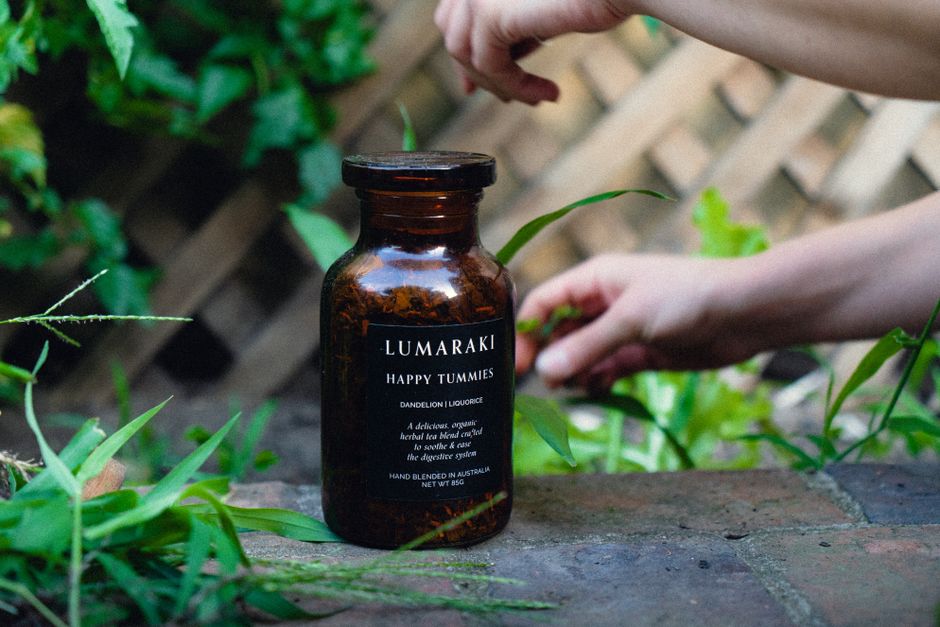
Warm liquids like herbal tea can be soothing. Peppermint tea, ginger tea, and chamomile tea are traditional remedies. Ginger has some evidence supporting its ability to speed up gastric emptying. This means food leaves your stomach faster, reducing the chance of fermentation downstream.
Water is essential. Dehydration can slow digestion and worsen constipation. Sip water steadily throughout the day rather than drinking large amounts at once, which can add to the feeling of fullness.
Foods to avoid during a severe bloating episode include:
- Carbonated beverages of any kind
- Beans, lentils, and chickpeas
- Cruciferous vegetables like broccoli, cauliflower, and cabbage
- Onions and garlic
- Artificial sweeteners ending in “-ol” like sorbitol and xylitol
- Salty processed foods, which promote fluid retention
Potassium-rich foods like bananas, oranges, and cantaloupe can help counterbalance sodium and reduce fluid retention. If your bloating is from water rather than gas, these foods may offer noticeable relief within a few hours.


Long-Term Strategies to Prevent Bloating
Preventing bloating requires identifying your personal triggers. No single diet works for everyone.
Eat slowly. When you eat fast, you swallow air. This air becomes trapped gas. Chewing thoroughly also begins the digestive process in your mouth, reducing the workload on your stomach and intestines.
Consider a low-FODMAP diet. This is the most evidence-based dietary approach for bloating. It involves temporarily eliminating high-fermentation carbohydrates, then gradually reintroducing them to identify which ones you tolerate poorly. This diet is complex and works best with guidance from a registered dietitian.
Check your fiber intake. Fiber is essential for regular bowel movements. But increasing fiber too quickly causes gas. If you recently increased your fiber intake and noticed more bloating, scale back and increase gradually over several weeks.
Exercise regularly. Physical activity stimulates bowel movements. Even moderate exercise like brisk walking three to four times per week can significantly reduce bloating frequency.
Stay hydrated. Water softens stool and prevents constipation. The old advice of eight glasses a day is not backed by strong evidence, but adequate hydration is clearly important. Urine that is pale yellow is a reasonable indicator you are drinking enough.
When Bloating Signals a More Serious Problem
Occasional bloating is normal. Persistent severe bloating is not. If you bloat frequently, you need to determine why.
Irritable bowel syndrome is the most common cause of chronic bloating. It affects up to 15% of the US population. It is diagnosed based on abdominal pain associated with changes in bowel habits. If your bloating comes with pain, diarrhea, or constipation that has lasted more than three months, see a doctor.
Celiac disease causes bloating after eating gluten. It is an autoimmune condition, not a food sensitivity. A simple blood test can screen for it. Do not remove gluten from your diet before testing, as this can produce false negative results.
Small intestinal bacterial overgrowth, known as SIBO, can cause severe bloating. It occurs when bacteria from the colon migrate into the small intestine, where they ferment food prematurely. It is diagnosed with a breath test and treated with targeted antibiotics.
See a doctor immediately if bloating comes with any of these warning signs:
- Blood in your stool
- Unexplained weight loss
- Fever
- Vomiting
- Severe abdominal pain that does not go away
- Bloating that does not resolve and keeps getting worse
In women, persistent bloating that feels new or different should be discussed with a doctor. Ovarian cancer is rare, but persistent bloating is one of its few early warning signs. The key word is persistent — bloating that comes and goes with meals is far less concerning than bloating that never fully resolves.
Over-the-Counter Remedies: What Works and What Does Not
The supplement aisle is full of bloating remedies. Some have evidence behind them. Most do not.
Probiotics have mixed evidence for bloating. Some strains, particularly Bifidobacterium infantis, have shown benefit in clinical trials for IBS symptoms. Other strains may actually worsen bloating temporarily. If you try a probiotic, give it four weeks. If it does not help, stop it.
Digestive enzymes can help if your bloating is caused by specific food intolerances. Lactase enzyme tablets help people who are lactose intolerant. Alpha-galactosidase, found in products like Beano, helps break down complex carbohydrates in beans and vegetables. These enzymes only work for their specific target foods.
Activated charcoal is often marketed for gas relief. Evidence is limited and mixed. It can interfere with medication absorption and turn your stool black. It is not a first-line recommendation.
Ginger supplements have some evidence for speeding gastric emptying and reducing nausea. They may help with bloating that follows a heavy meal. The evidence is modest but real.
Be cautious with any supplement that claims to “detox” or “cleanse” your gut. These products often contain laxatives that cause temporary weight loss from water loss, not actual relief from bloating. They can disrupt your electrolyte balance and cause dehydration.
Breathing Techniques That Help Release Trapped Gas
Diaphragmatic breathing is a simple technique that can provide real relief. It works by massaging your abdominal organs with your diaphragm.
Sit comfortably or lie on your back. Place one hand on your chest and one on your belly. Breathe in slowly through your nose, aiming to push your belly hand upward while keeping your chest hand still. Exhale slowly through your mouth, letting your belly fall.
Do this for five minutes. The rhythmic pressure changes in your abdomen can stimulate peristalsis — the wave-like contractions that move gas through your intestines. This is the same mechanism that makes walking effective.
This technique is also useful for people who unconsciously swallow air when anxious. Stress and anxiety increase air swallowing and can slow digestion. If you notice you bloat more during stressful periods, regular breathing practice may help more than any dietary change.
Frequently Asked Questions
How long does severe bloating last?
Most bloating from gas resolves within 24 hours. If bloating lasts longer than two days without improvement, it warrants a medical evaluation.
Can drinking water reduce bloating?
Yes, water helps prevent constipation and flush excess sodium. Sip it steadily throughout the day rather than drinking large amounts at once.
Is severe bloating a sign of cancer?
Rarely, but persistent bloating that does not come and go can be a warning sign, especially in women. See a doctor if bloating never fully resolves or comes with weight loss or blood in your stool.
Do probiotics help with severe bloating?
Some probiotic strains help, but results vary widely between individuals. Give a probiotic four weeks and stop if you see no improvement.
