
Muscle soreness after exercise is common, especially after trying a new activity or pushing harder than usual. The most effective way to relieve it is to combine gentle movement, proper hydration, and timed use of cold or heat. For most people, soreness peaks within 24 to 72 hours and fades on its own without special treatment.
What Causes Muscle Soreness After Exercise?
Delayed onset muscle soreness, or DOMS, happens when muscle fibers experience microscopic damage during exercise. This damage triggers an inflammatory response that causes pain, stiffness, and tenderness a day or two after the workout.
Eccentric movements — where a muscle lengthens under tension, like lowering a weight — tend to cause more soreness than concentric contractions. No permanent harm occurs from typical DOMS. It is a normal part of the repair and strengthening process.
Does Rest Help Relieve Muscle Soreness?
Complete rest is not the best option. Light movement increases blood flow, which can reduce stiffness and speed up recovery.
Total inactivity allows muscles to tighten and may prolong soreness. The goal is active recovery — doing low-intensity activities that do not further strain the sore muscles. Walking, gentle cycling, or swimming are good choices. If the soreness is severe enough that movement causes sharp pain, then rest is appropriate until the pain subsides to a dull ache.
Should You Use Ice or Heat for Sore Muscles?
Cold therapy works best within the first 48 hours after exercise. Applying an ice pack for 15 to 20 minutes can reduce inflammation and numb the area, providing short-term relief.
Heat therapy is more useful after those first two days or when muscles feel stiff. A warm bath or heating pad for 15 to 20 minutes relaxes tight muscles and increases blood flow. Neither ice nor heat speeds up the underlying muscle repair — they only manage symptoms. Choose based on what feels better to you.




How To Relieve Muscle Soreness With Active Recovery
Active recovery means doing low-intensity exercise that keeps muscles moving without adding new damage. Walking, light yoga, or stationary biking at a comfortable pace can help.
The key is intensity. Keep your heart rate low and stop if movement causes sharp pain. A 10- to 20-minute session is usually enough. Active recovery may help flush waste products like lactic acid from the muscles, though lactic acid is not the main cause of DOMS — it clears within an hour of exercise. The real benefit comes from increased circulation that delivers oxygen and nutrients to repairing tissues.
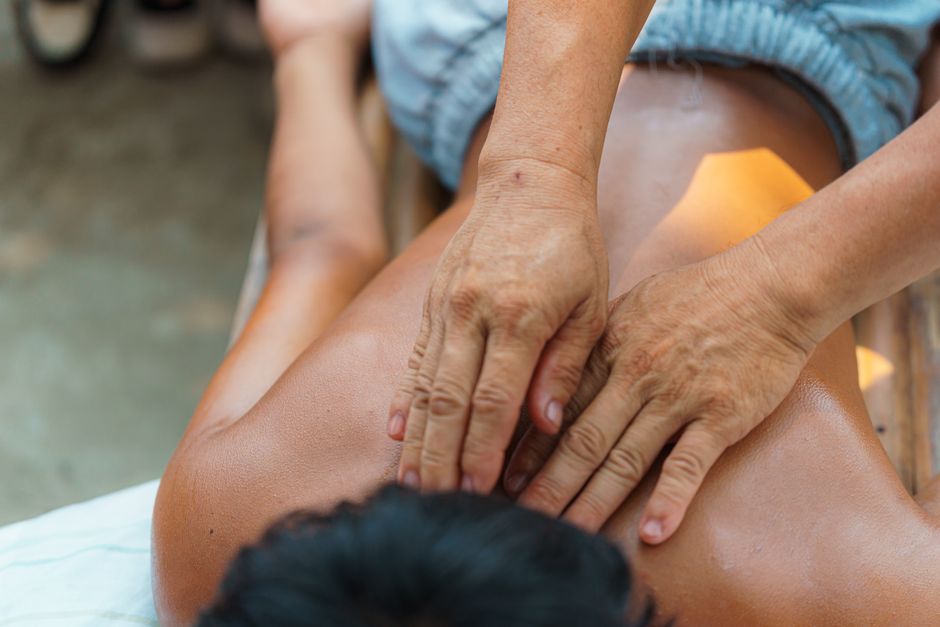
Some people also benefit from compression garments or massage. Evidence is mixed, but many athletes report less perceived soreness with these methods. Massage performed by a trained therapist may reduce soreness by about 30 percent in some studies, though results vary.
Can Stretching or Foam Rolling Speed Up Recovery?
Static stretching — holding a stretch for 30 seconds or more — does not reduce muscle soreness or speed recovery. Research consistently shows minimal benefit for DOMS when stretching is done before or after exercise.
Foam rolling works differently. It applies pressure to tight spots and can temporarily reduce pain and improve range of motion. Some studies suggest foam rolling within two hours after exercise may reduce soreness over the next 72 hours. However, it does not repair muscle damage. Use foam rolling for short sessions, about 30 to 60 seconds per muscle group, and avoid rolling directly over an injured or very painful area.
What Role Does Diet and Hydration Play in Muscle Recovery?
Proper hydration supports every step of recovery. Dehydrated muscles are more prone to cramping and soreness. Drinking enough water before, during, and after exercise helps maintain normal muscle function.
Protein intake matters for repair. Consuming 20 to 30 grams of protein within a few hours after exercise provides the building blocks needed for muscle protein synthesis. Carbohydrates help replenish glycogen stores. No single food or supplement has been proven to eliminate DOMS. Tart cherry juice and fish oil have some evidence for reducing inflammation, but the effects are modest at best.
No high-quality evidence supports taking anti-inflammatory drugs like ibuprofen to prevent or treat DOMS. These medications may actually interfere with the muscle adaptation process that makes you stronger over time. Use them only if pain is significant and short-term relief is needed.
When Should You See a Doctor for Muscle Soreness?
Normal DOMS feels like a dull ache and affects muscles symmetrically — both legs or both arms. It improves over a few days.
See a doctor if the soreness is one-sided, worsens instead of improves, or is accompanied by dark urine, severe swelling, or weakness. These symptoms could indicate a muscle strain, tear, or a more serious condition called rhabdomyolysis, where muscle breaks down and releases harmful proteins into the blood. Also seek care if soreness lasts longer than a week without improvement.
Frequently Asked Questions
Should I exercise when muscles are sore?
Light exercise that does not cause sharp pain is fine and may help recovery. Avoid high-intensity training or heavy lifting on the sore muscle group until the soreness subsides.
How long does muscle soreness usually last?
DOMS typically begins 12 to 24 hours after exercise, peaks around 24 to 72 hours, and resolves within five to seven days. Persistent soreness beyond a week may indicate an injury.
Is it better to use ice or heat for sore muscles?
Ice is best within the first 48 hours to reduce inflammation. Heat is better after that to relax tight muscles and increase blood flow.
Can foam rolling prevent muscle soreness?
Foam rolling after exercise may reduce the severity of soreness, but it does not prevent muscle damage. It is more effective for symptom relief than for prevention.
