
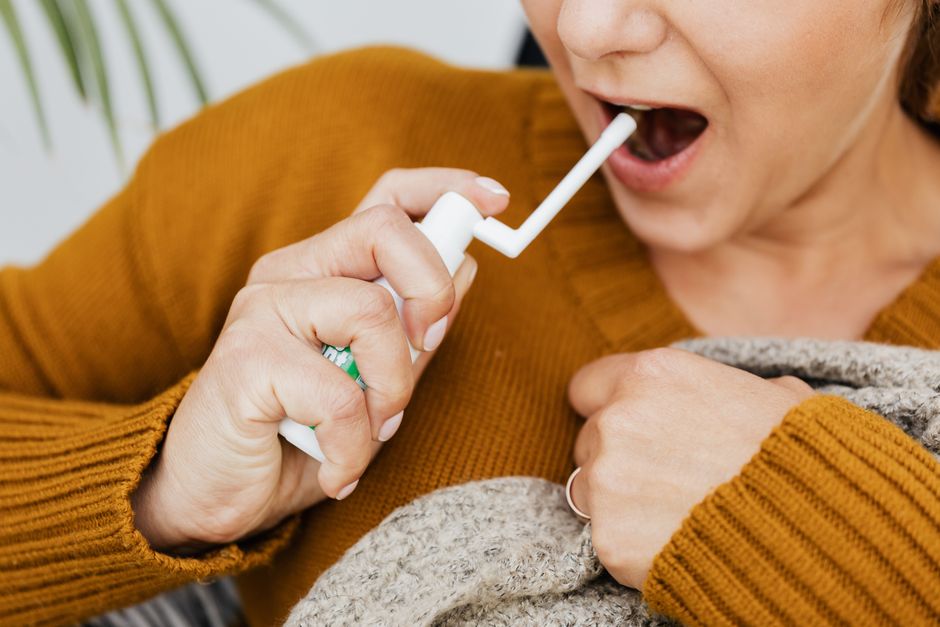
An itchy throat at night is often caused by dry air, postnasal drip, or mild allergies. The most effective way to relieve it is by drinking a warm beverage like honey and lemon tea, using a humidifier in your bedroom, and propping your head up with an extra pillow to reduce mucus drainage. Avoid cold drinks and dairy before bed, as they can make the sensation worse. These steps target the root causes and provide fast, natural relief without medication.
What Causes an Itchy Throat Specifically at Night?
Your body changes when you lie down. Gravity stops pulling mucus down your throat. Instead, it pools in the back of your nasal passages. This is called postnasal drip. It irritates the sensitive lining of your throat and triggers that scratchy feeling.
Dry air is another major cause. Indoor heating in winter pulls moisture out of the air. Your throat’s mucous membranes dry out quickly. Without enough moisture, they become irritated and itchy. Research from the American Academy of Otolaryngology confirms that low humidity is a common trigger for nighttime throat discomfort.
Allergens in your bedroom can also be the culprit. Dust mites in your pillows, pet dander on your sheets, or mold in your carpet all release particles you breathe in all night. Your immune system reacts by releasing histamine. That histamine causes itching and inflammation in your throat and nasal passages.
Acid reflux is a less obvious cause. When you lie flat, stomach acid can creep up into your esophagus. This is called silent reflux because you may not feel heartburn. The acid irritates your throat lining and creates a persistent itchy sensation. Studies published in the journal Gastroenterology have found that nighttime reflux symptoms are underdiagnosed in people who report chronic throat irritation.
Does Drinking Warm Water or Tea Help Relieve an Itchy Throat?
Yes. Warm liquids help in two ways. The heat increases blood flow to the throat tissues, which can reduce irritation. The liquid itself coats the mucous membranes and provides a temporary barrier against irritants.
Honey is the ingredient with the strongest evidence. Research published in Archives of Pediatrics and Adolescent Medicine found that honey was more effective than over-the-counter cough medicine for soothing nighttime throat symptoms in children. Adults can benefit the same way. A teaspoon of honey in warm water or tea can calm the itch for several hours.
Lemon adds vitamin C and acidity that may help break up mucus. But the evidence for lemon specifically is weaker than for honey. What matters most is the warmth and the honey, not the lemon itself.
Avoid caffeinated teas like black or green tea before bed. Caffeine is a mild diuretic. It can dehydrate you further, making your throat drier by morning. Herbal teas like chamomile or peppermint are better choices because they are caffeine-free and may have mild anti-inflammatory properties.
How To Relieve Itchy Throat At Night Using Humidity and Positioning
Dry air is one of the most fixable causes. A humidifier in your bedroom adds moisture back into the air. The ideal humidity level for sleep is between 40 and 60 percent. You can measure this with a small hygrometer, which costs about ten dollars.
Clean your humidifier weekly. Bacteria and mold can grow in standing water and get sprayed into the air. The CDC warns that dirty humidifiers can cause respiratory infections. Use distilled or demineralized water to reduce mineral dust that can also irritate your throat.
Positioning matters just as much. Sleeping flat lets mucus and acid move upward into your throat. Elevate the head of your bed by four to six inches. You can use a wedge pillow or place blocks under the headboard legs. This keeps gravity working in your favor. A 2017 study in the Journal of Clinical Gastroenterology found that head elevation significantly reduced nighttime reflux symptoms in people with GERD.
If you sleep on your side, choose the left side. Research shows that left-side sleeping reduces acid reflux episodes compared to right-side sleeping. This is due to the angle of the stomach and esophagus. It is a simple adjustment that can make a noticeable difference for people with reflux-related throat itch.
| Remedy | How It Works | Evidence Level |
|---|---|---|
| Honey in warm water | Coats throat, reduces irritation | Strong (clinical trials) |
| Humidifier | Adds moisture to dry air | Strong (physiological basis) |
| Head elevation | Reduces postnasal drip and reflux | Strong (clinical studies) |
| Salt water gargle | Reduces inflammation and mucus | Moderate (anecdotal + mechanism) |
| Antihistamines | Blocks histamine from allergies | Strong for allergy causes only |
| Cold drinks or ice | Numbs throat temporarily | Weak (short-term relief only) |





What Should You Avoid Doing Before Bed?
Dairy products are a common trigger for many people. Milk, cheese, and yogurt can thicken mucus in some individuals. This makes the mucus harder to clear and can worsen the itchy sensation. The effect varies from person to person, but if you notice a pattern, skip dairy in the evening.
Cold drinks and ice cream may feel soothing for a moment, but they can actually make things worse. Cold temperatures constrict blood vessels in your throat, which reduces blood flow temporarily. Once your throat warms back up, the irritation often returns or intensifies. Warm liquids are consistently more effective.
Spicy foods before bed are another problem. Capsaicin, the compound that makes peppers hot, can trigger coughing and throat irritation. It also relaxes the lower esophageal sphincter, which increases the risk of acid reflux. Avoid spicy meals within three hours of bedtime.
Alcohol is a double-edged sword. It can make you drowsy, but it also dehydrates you and relaxes the throat muscles. This worsens both dry throat and acid reflux. The National Sleep Foundation advises against alcohol within four hours of sleep for these reasons.
Smoking or vaping before bed is one of the worst things you can do. The chemicals in tobacco and vape products directly irritate the throat lining. This irritation can last for hours and is a known cause of chronic nighttime cough and throat itch.
When Should You Consider Over-the-Counter or Prescription Options?
If lifestyle changes do not work after a week, over-the-counter medications can help. Antihistamines like cetirizine or loratadine are effective if allergies are the cause. They block histamine, which stops the itch response. Take them at least 30 minutes before bed. Some antihistamines cause drowsiness, which can help with sleep but may leave you groggy in the morning.
Nasal sprays are another option. Saline sprays add moisture directly to your nasal passages. Steroid sprays like fluticasone reduce inflammation from allergies. A 2020 review in American Family Physician found that intranasal corticosteroids are more effective than oral antihistamines for postnasal drip symptoms.
Anti-reflux medications may help if you suspect acid reflux. Over-the-counter options include antacids like Tums for immediate relief and H2 blockers like famotidine for longer coverage. Proton pump inhibitors like omeprazole are stronger but take several days to work. Do not take these for more than two weeks without seeing a doctor.
Some people report that throat lozenges with menthol or benzocaine provide temporary relief. These work by numbing the throat. The effect is short-lived, usually 20 to 30 minutes. They are fine for occasional use but should not be relied on every night.
Common Misconceptions About Itchy Throat Relief
One widespread myth is that gargling with apple cider vinegar cures an itchy throat. There is no clinical evidence that apple cider vinegar kills bacteria or soothes throat irritation. In fact, its acidity can damage tooth enamel and irritate the throat further. The American Dental Association advises against regular vinegar gargles.
Another myth is that drinking milk before bed coats the throat and prevents irritation. The opposite is true for many people. Milk can stimulate mucus production, making the problem worse. If milk helps you personally, that is fine, but do not assume it works for everyone.
Some people believe that sleeping with a fan directly on your face helps by keeping the air moving. Fans actually dry out your eyes, nose, and throat faster. If you need air movement, point the fan away from your face and use a humidifier to compensate for the moisture loss.
The idea that “more water is always better” is also misleading. Drinking a large glass of water right before bed can cause you to wake up to urinate. This disrupts sleep and does not provide lasting throat relief. Sip small amounts of warm water instead of chugging cold water.
Frequently Asked Questions
Can allergies cause an itchy throat at night?
Yes, allergies to dust mites, pet dander, or mold in your bedroom are common causes of nighttime throat itch.
Is honey safe for adults to use every night?
Yes, one teaspoon of honey is safe for most adults, but avoid giving honey to children under one year old due to botulism risk.
How long should I try home remedies before seeing a doctor?
Try home remedies for one to two weeks. If your itchy throat persists or worsens, see a doctor to rule out infections or reflux.
Does sleeping with a humidifier help or cause mold?
A humidifier helps when used correctly. Clean it weekly and keep humidity below 60 percent to prevent mold growth.
