
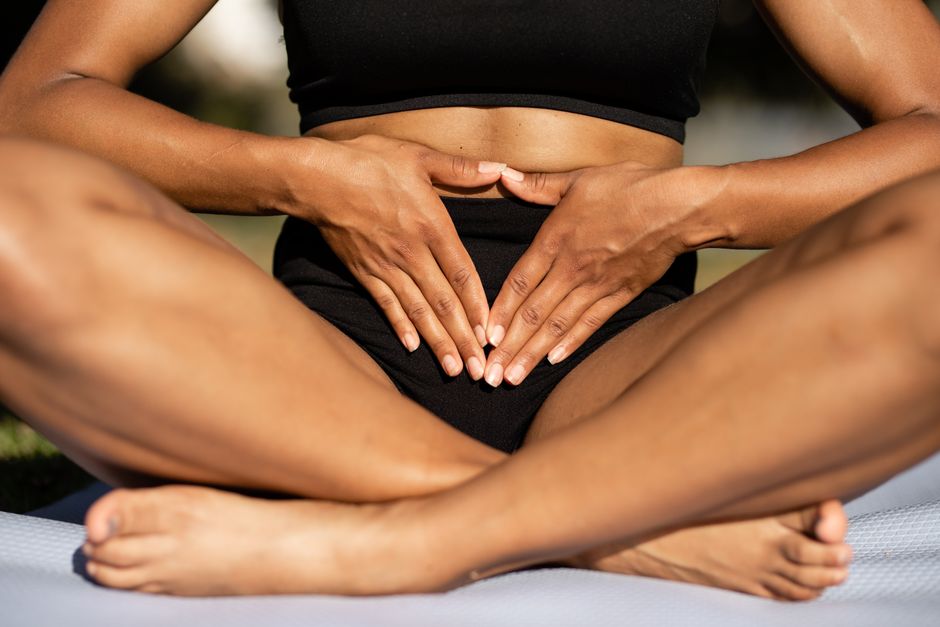
Pain in the lower left side of your abdomen is common, and most of the time it is not an emergency. However, the cause can range from a harmless gas bubble to a serious condition like diverticulitis or a kidney stone. You should worry if the pain is severe, lasts more than a day or two, or comes with fever, vomiting, or blood in your stool. Knowing which organs sit in that area helps you understand what might be happening and when you need medical care.
Which Organs Are in the Lower Left Abdomen?
The lower left side of your abdomen contains specific parts of your digestive and urinary systems. Knowing what is there helps narrow down what could be causing your pain.
The last section of your large intestine, called the descending colon, runs down the left side. It connects to the sigmoid colon, which sits low on the left. The sigmoid colon is a common site for diverticulitis. Your left ureter, the tube that carries urine from your left kidney to your bladder, also passes through this area. In women, the left ovary and fallopian tube are located here too.
Because multiple systems overlap in this region, the same pain can come from different organs. That is why doctors ask detailed questions about the type of pain, what makes it worse, and what other symptoms you have.
What Causes Lower Left Side Pain And When To Worry
Several common conditions cause pain in this area. Some are mild and resolve on their own. Others need prompt medical treatment.
Diverticulitis is one of the most common causes in adults over 40. Small pouches can form in the wall of the colon. When one of these pouches becomes inflamed or infected, it causes pain, usually on the lower left side. The pain often comes on suddenly and may be constant. You might also have fever, nausea, or a change in bowel habits.
Kidney stones can cause severe pain that starts in the back or side and moves toward the lower abdomen and groin. The pain often comes in waves and can be intense enough to make it hard to sit still. Blood in the urine is a common sign.
Constipation is a frequent and often overlooked cause. When stool builds up in the descending or sigmoid colon, it stretches the bowel wall and causes cramping or aching pain. The pain usually improves after a bowel movement.
Irritable bowel syndrome can cause cramping on either side of the abdomen. The pain often comes and goes and may be linked to eating or stress. It is not dangerous, but it can be disruptive.
In women, ovarian cysts, endometriosis, or an ectopic pregnancy can cause lower left pain. An ectopic pregnancy is a medical emergency and requires immediate care.
Less common but serious causes include a strangulated hernia, bowel obstruction, or reduced blood flow to the colon. These conditions cause severe pain and require urgent treatment.
How to Tell If the Pain Is Serious
Some pain patterns clearly point to a need for urgent care. You should seek medical attention right away if your pain is severe enough to interfere with normal activity or sleep.
Call your doctor or go to an emergency room if you have pain along with any of these warning signs:
- Fever of 100.4°F or higher
- Vomiting that does not stop
- Blood in your stool or dark black stools
- Pain that gets steadily worse over hours
- Dizziness, confusion, or fainting
- A swollen or tender abdomen
- Pain during pregnancy
If you are a woman and the pain is sharp or sudden, especially if you might be pregnant, seek care immediately. Sudden severe pain in a pregnant woman can signal an ectopic pregnancy, which is life-threatening.
For men, sudden severe lower left pain with nausea can sometimes indicate a testicular problem that has referred pain to the abdomen. This also requires prompt evaluation.





When You Can Manage It at Home
Mild pain that comes and goes and has no warning signs often resolves on its own. If you have had similar pain before and know it is from constipation or gas, home care may be appropriate.
For mild constipation, increasing water intake and eating more fiber can help. Gentle physical activity, like walking, can stimulate bowel movements. Over-the-counter stool softeners are generally safe for short-term use. Follow the dosing instructions on the package.
For suspected gas pain, moving around and applying a warm compress to the area may provide relief. Simethicone products, sold as gas relief medications, can help break up gas bubbles in the digestive tract.
If the pain does not improve within 24 to 48 hours, or if it gets worse, see a doctor. Pain that lasts more than a couple of days always deserves evaluation, even if it is mild.
How Doctors Diagnose Lower Left Abdominal Pain
When you see a doctor for lower left pain, they will start with a history and physical exam. They will ask when the pain started, what it feels like, and what makes it better or worse.
The physical exam includes pressing on your abdomen to check for tenderness or guarding. Your doctor will likely listen to your bowel sounds with a stethoscope. In women, a pelvic exam may be needed to check the ovaries and reproductive organs.
Depending on what they find, your doctor may order tests:
- Blood tests to check for signs of infection or inflammation
- Urine tests to look for kidney stones or a urinary tract infection
- CT scan to get detailed images of the colon, kidneys, and other organs
- Ultrasound to examine the ovaries or check for gallstones
A CT scan is the most accurate test for diagnosing diverticulitis and kidney stones. It is quick and provides clear images. If you are pregnant, tell your doctor before any imaging test, as some require special precautions.
Treatment Options Depend on the Cause
Treatment for lower left abdominal pain varies widely because the causes are so different.
For uncomplicated diverticulitis, many cases can be treated at home with a liquid diet and oral antibiotics. Some mild cases may not even need antibiotics. Your doctor will give you specific instructions based on how severe your case is.
For kidney stones, small stones often pass on their own with plenty of fluids and pain medication. Larger stones may require procedures to break them up or remove them. Your doctor can determine the size and location of the stone with imaging.
For constipation, increasing fiber, fluids, and physical activity usually resolves the problem. If constipation is chronic, your doctor may recommend a more structured bowel program or prescription medications.
For irritable bowel syndrome, treatment focuses on managing symptoms. Dietary changes, stress reduction, and sometimes prescription medications can help. There is no cure, but symptoms can be controlled.
For gynecological causes, treatment depends on the specific condition. Ovarian cysts often resolve on their own. Endometriosis may require hormonal treatment or surgery. An ectopic pregnancy requires immediate medical intervention.
What to Expect at the Emergency Room
If your symptoms bring you to an emergency room, the staff will take your vital signs and ask about your symptoms. They will likely order blood tests and imaging to identify the cause quickly.
Severe pain that comes on suddenly is treated as a priority. Conditions like a perforated bowel, appendicitis, or a ruptured ovarian cyst can be life-threatening if not treated quickly.
Bring a list of your medications and any known allergies. Tell the doctor if you are pregnant or might be. This information helps them choose safe tests and treatments.
Prevention: Can You Avoid Lower Left Abdominal Pain?
You cannot prevent every cause of lower left pain, but you can reduce your risk for the most common ones.
For diverticulitis, a diet high in fiber may help prevent diverticula from forming. Fiber softens stool and reduces pressure inside the colon. Good sources include fruits, vegetables, whole grains, and legumes. Aim to increase fiber gradually to avoid bloating.
Drinking enough water helps prevent both constipation and kidney stones. Most adults need about 8 to 10 cups of fluid per day, though needs vary based on activity level and climate. If you are prone to kidney stones, your doctor may recommend specific dietary changes based on the type of stone you form.
Regular physical activity keeps the digestive system moving and reduces constipation. Even a daily 20-minute walk can make a difference.
For women prone to ovarian cysts or endometriosis, hormonal birth control may reduce the frequency of painful episodes. Discuss your options with your gynecologist.
Frequently Asked Questions
Can gas cause severe lower left side pain?
Yes, trapped gas can cause sharp, cramping pain that feels severe. If the pain moves or improves when you pass gas or have a bowel movement, gas is a likely cause.
How long should lower left pain last before seeing a doctor?
See a doctor if the pain lasts more than 48 hours or gets worse during that time. Seek immediate care if the pain is severe or comes with fever, vomiting, or blood in your stool.
Is lower left pain a sign of appendicitis?
Appendicitis usually causes pain on the lower right side, not the left. However, some people have atypical anatomy, so any severe abdominal pain deserves medical evaluation.
Can constipation cause pain on the left side only?
Yes, constipation commonly causes pain on the left side because stool collects in the descending and sigmoid colon before elimination. The pain typically eases after a bowel movement.
