
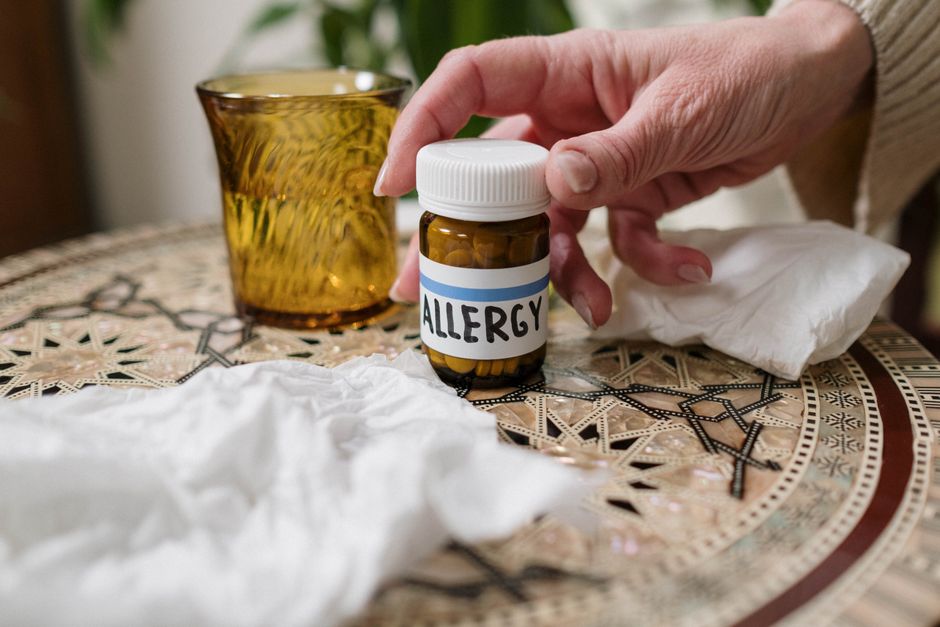
Eye allergy symptoms can stop you in your tracks. The itching, redness, and watering are hard to ignore. The fastest relief usually comes from a combination of cold compresses and over-the-counter antihistamine eye drops. For persistent cases, prescription options and avoiding the trigger allergen are the most effective long-term strategies. This guide breaks down what works, what to avoid, and when to see a doctor.
What Causes Eye Allergies in the First Place?
Eye allergies, also called allergic conjunctivitis, happen when your immune system overreacts to a harmless substance. Common triggers include pollen, pet dander, dust mites, and mold. When your eyes come into contact with one of these allergens, your body releases histamine and other chemicals.
That chemical release causes the blood vessels in your eyes to swell. This is why your eyes turn red and feel itchy. The swelling also makes your eyes water as your body tries to flush out the irritant. Understanding this process matters because most treatments work by blocking histamine or reducing that inflammatory response.
Some people only have symptoms during certain seasons. Others deal with eye allergies year-round, usually due to indoor allergens like dust or pet dander. Knowing your specific trigger helps you choose the right prevention strategy.
How Do Eye Drops for Allergies Actually Work?
Eye drops are the first line of defense for most people. There are several types, and they work in different ways. Some block histamine receptors directly. Others stabilize the cells that release histamine in the first place. A few do both.
Antihistamine eye drops start working quickly, often within minutes. They directly counter the itching and redness caused by histamine. These are available over the counter and by prescription.
Mast cell stabilizers work more slowly. They prevent the release of histamine before it starts. These are often used as a preventive measure, especially if you know allergy season is coming. They do not provide immediate relief for symptoms already in progress.
Many modern prescription drops combine both an antihistamine and a mast cell stabilizer. These combination drops offer fast relief and longer-lasting protection. Some studies suggest they work better than using either type alone.
Artificial tears are a different category entirely. They do not treat the allergic reaction. Instead, they wash allergens off the surface of your eye and add moisture. This can provide temporary comfort, especially when your eyes feel dry or gritty from the allergic response.
How To Relieve Eye Allergies Drops Compresses More
Cold compresses are one of the simplest and most effective ways to calm an allergic eye flare-up. The cold temperature constricts blood vessels, which reduces redness and swelling. It also numbs the nerve endings, which directly reduces the itch sensation.
To use a cold compress properly, wrap a clean cloth around an ice pack or run it under cold water. Apply it gently over your closed eyelids for 10 to 15 minutes. You can repeat this several times a day as needed. Do not press hard on your eye, and never apply ice directly to the skin without a cloth barrier.
Some people find that refrigerating their eye drops adds an extra layer of relief. The cold drop feels soothing on an irritated eye. Check the label on your specific drop to make sure refrigeration is safe. Some formulations are sensitive to temperature changes.
Warm compresses are not recommended for allergy symptoms. Warmth increases blood flow, which can make redness and swelling worse. Warm compresses are better suited for other conditions like styes or dry eye caused by blocked oil glands.


Which Over-the-Counter Drops Should You Choose?
Over-the-counter options have improved significantly in recent years. Many effective antihistamine drops are now available without a prescription. These are generally safe for most adults and children over three years old.
When choosing a drop, look for one that specifically says it treats itching. Drops marketed only as “redness relievers” are a different product. Redness relievers work by shrinking blood vessels, but they do not treat the allergic reaction. They can also cause rebound redness if used for more than a few days.
Preservative-free drops are a better choice if you need to use them frequently. Preservatives can irritate the eye over time, especially if you are using drops more than four times a day. Preservative-free options come in single-use vials, which are more expensive but gentler on the eyes.
Contact lens wearers need to be careful. Some eye drops can damage or discolor soft contact lenses. Remove your lenses before using medicated drops, and wait at least 10 to 15 minutes before putting them back in. Many doctors recommend switching to glasses during allergy flare-ups.
Prescription Options for Severe or Persistent Eye Allergies
If over-the-counter options are not enough, a doctor can prescribe stronger treatments. Prescription eye drops may contain higher concentrations of antihistamines, stronger mast cell stabilizers, or anti-inflammatory medications.
Some prescription drops contain a mild corticosteroid. These are highly effective at reducing inflammation but are typically used for short periods. Long-term use of steroid eye drops carries risks, including increased eye pressure and cataract formation. Doctors usually reserve these for severe cases that do not respond to other treatments.
Oral antihistamines can also help with eye allergies. They treat the whole body, which is useful if you also have nasal allergy symptoms. However, some oral antihistamines can dry out your eyes, which may make eye discomfort worse. Nonsedating options are generally preferred over older antihistamines that cause drowsiness.
Allergy immunotherapy, often called allergy shots, is a longer-term option. It involves regular injections or under-the-tongue tablets that gradually desensitize your immune system to specific allergens. This approach takes months to become effective but can provide lasting relief.
How To Prevent Eye Allergies Before They Start
Prevention is often more effective than treatment. The goal is to reduce your exposure to the allergens that trigger your symptoms. This requires some planning, but the payoff is fewer flare-ups.
During pollen season, keep windows closed and use air conditioning. Change your home’s air filters regularly. A HEPA filter in your bedroom can significantly reduce airborne allergens while you sleep.
Shower and wash your hair before bed. Pollen and dust collect on your skin and hair throughout the day. Washing them off before you sleep keeps allergens off your pillowcase and away from your eyes.
Wash your bedding in hot water weekly. Dust mites are a common indoor allergen that collects in pillows, sheets, and blankets. Hot water kills them and removes their waste products, which are the actual allergens.
Wear wraparound sunglasses outdoors. This simple step physically blocks pollen from reaching your eyes. It also prevents you from rubbing your eyes, which can make symptoms worse.
Avoid rubbing your eyes, no matter how much they itch. Rubbing releases more histamine from the cells in your eyelid tissue, creating a cycle of worsening symptoms. The mechanical pressure also causes temporary swelling that takes time to resolve.
When To See a Doctor for Eye Allergies
Most eye allergies respond well to home treatment. But some symptoms require professional attention. If your symptoms do not improve after a few days of over-the-counter treatment, see a doctor.
Seek immediate medical care if you have eye pain, vision changes, or sensitivity to light. These symptoms can indicate a more serious condition, such as an eye infection or corneal damage. Allergies do not typically cause pain or vision loss.
Thick, yellow or green discharge is a warning sign. Allergic eye discharge is usually clear and watery. Colored discharge suggests a bacterial infection, which requires different treatment.
If you have a known history of eye disease, such as glaucoma or keratoconus, talk to your doctor before using any eye drop. Some drops, especially those containing steroids, can affect eye pressure.
Common Mistakes That Make Eye Allergies Worse
Many people unintentionally worsen their symptoms with well-meaning but incorrect habits. Using the wrong type of eye drop is one of the most common errors. Decongestant drops that reduce redness can cause rebound redness after a few days of use. Your eyes become dependent on the drop to stay white.
Sharing eye drops is another mistake. Eye drops are personal items. Sharing them can transfer bacteria and cause infection. Always use your own drops, and never touch the dropper tip to your eye or any surface.
Storing drops past their expiration date is also problematic. The preservatives in multidose bottles break down over time. Expired drops may not be sterile and can irritate your eyes further.
Frequently Asked Questions
How often can I use allergy eye drops?
Follow the dosing instructions on the specific product you are using. Most over-the-counter antihistamine drops are safe to use twice a day, but check the label for your specific product.
Can I use allergy eye drops with contact lenses?
Remove your contact lenses before using medicated eye drops. Wait at least 10 to 15 minutes after applying the drops before reinserting your lenses.
Are cold compresses better than warm compresses for eye allergies?
Cold compresses are better for allergies because they reduce swelling and numb the itch. Warm compresses increase blood flow and can make redness and swelling worse.
How long do eye allergy symptoms last?
Symptoms typically last as long as you are exposed to the allergen. With treatment, most flare-ups improve within a few days. If symptoms last more than a week despite treatment, see a doctor.
