
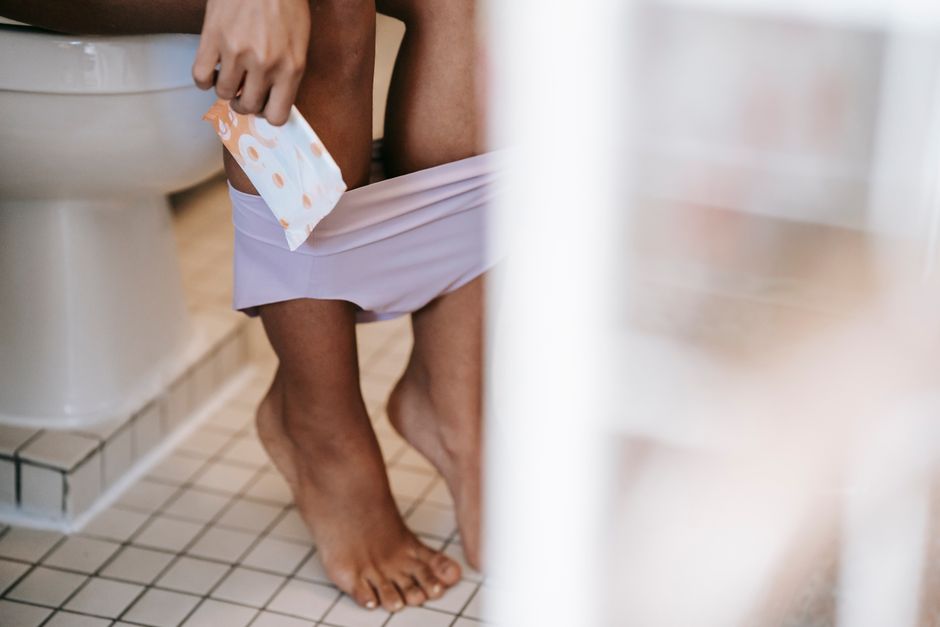
If you are sitting on the toilet right now and nothing is moving, the fastest physical change you can make is to change your position. Bring your knees above your hips, relax your belly, and stop pushing. Straining is what makes constipation painful and sometimes dangerous. A supported squat posture — feet on a low stool, torso leaning slightly forward, elbows resting on your thighs — opens the angle of your rectum and lets gravity help instead of fighting it. Most people feel a difference within a few minutes, and if they do not, the honest answer is that a toilet alone cannot always fix a bowel that is not ready.
What Actually Helps You Poop Right Now?
Position does more than most people realize. When you sit with your hips lower than your knees, the muscle that wraps around the rectum — the puborectalis — relaxes and straightens the path stool has to travel. On a standard toilet your knees sit at or below hip level, which keeps that muscle partly closed. That is why squatting cultures report less straining.
You do not need to squat on the rim. A stool or stack of books about 6 to 8 inches high under each foot gets most of the benefit. Then follow this sequence:
- Feet flat on the stool, knees higher than hips
- Lean forward with a straight back, elbows on knees
- Let your belly fall loose — do not suck it in
- Breathe out slowly through your mouth
- Push gently and briefly, then stop
The breathing matters. Holding your breath and bearing down raises pressure in your chest and can strain the pelvic floor and heart. A slow exhale keeps the push low and steady instead of explosive.
One more thing worth knowing: the urge to go is a reflex that comes in waves. If you felt the signal and then sat down and lost it, waiting a few minutes for the next wave often works better than forcing. The reflex fades if you ignore it, so once it returns, go.
How Long Should You Sit Before Giving Up?
Do not camp out on the toilet. Sitting and straining for long stretches is linked to hemorrhoids and pelvic floor problems, and it rarely produces a result after the first few minutes. Give it about 5 to 10 minutes. If nothing happens, get up, move around, and try again later.
This is not defeat. Your gut has its own rhythm, and the strongest natural urge usually arrives after a meal or after movement, not on command. Forcing a bowel movement that is not ready mainly trains you to strain.
If you have been sitting for a while with no result and no urge at all, the issue is upstream — the stool may not have reached the rectum yet. No amount of toilet technique fixes that. That is a signal to think about fiber, fluids, and activity over the next day rather than the next five minutes.
Does Drinking Warm Water or Coffee Help?
Warm fluids can nudge the gut. A warm drink in the morning stimulates the gastrocolic reflex — the wave of muscle activity that moves contents through your colon after you eat or drink. Coffee, in particular, tends to trigger this reflex in many people, though the effect varies and some of it may be the caffeine rather than the warmth.
None of this works instantly on stool that is already hard and sitting in the rectum. Warm fluids help move things along earlier in the process. If the stool is already there and dry, fluids will not soften it in the next ten minutes.
What you should not do is drink a large volume of water fast in an attempt to flush things through. That does not speed up the colon and can leave you feeling bloated or nauseated. Steady hydration across the day is what supports normal stool consistency.





What About Fiber, Prunes, or an Enema Right Now?
These are not instant fixes, and it helps to understand why. Fiber adds bulk and holds water, which softens stool over hours to days, not minutes. Loading up on fiber when you are already blocked can make things worse by adding volume behind a stool that cannot pass.
A small amount of prune or pear juice may help some people, and prunes contain sorbitol, a sugar alcohol that draws water into the bowel. The effect is gentle and not immediate. Do not expect it to resolve a hard stool in the next few minutes.
Enemas and suppositories are different. A glycerin suppository or a saline enema can work within minutes to an hour by drawing water into the rectum or directly stimulating the urge to go. These are legitimate options for occasional use. They are not meant for daily reliance, and overuse can irritate the rectum and make the bowel less responsive. If you use them often, that is a conversation to have with a clinician.
If you have heart or kidney disease, or you are pregnant, talk to a clinician before using an enema or any laxative. Some products are not appropriate for these groups, and the guidance differs by product.
When Should You Stop Pushing and Call a Doctor?
Straining is the part of constipation that causes real harm, so knowing when to stop matters. Seek medical care if you have:
- Severe abdominal pain or a hard, swollen belly
- Vomiting along with the inability to pass stool or gas
- Blood in your stool or bleeding from the rectum
- No bowel movement for several days with worsening pain
- Chest pain, shortness of breath, or dizziness while straining
A complete block with vomiting and a swollen belly can signal a bowel obstruction, which is a medical emergency. Do not try to push through it or treat it at home.
Separately, see a clinician soon — not urgently — if constipation is new for you, if it has lasted more than a few weeks, or if it comes with weight loss, fatigue, or a change in stool shape. These patterns deserve a proper look rather than more toilet technique.
Why Does Constipation Happen in the First Place?
Understanding the cause tells you whether a toilet trick is even the right tool. Constipation has several common drivers:
- Not enough fiber or fluid in the diet
- Low physical activity
- Ignoring the urge to go, which weakens the reflex over time
- Medications, including some pain medicines, antidepressants, and blood pressure drugs
- Conditions such as irritable bowel syndrome, thyroid problems, or pelvic floor dysfunction
- Pregnancy, travel, stress, and changes in routine
Pelvic floor dysfunction is worth naming because it is often missed. In this condition the muscles that should relax during a bowel movement tighten instead. No amount of straining or fiber overcomes that, and it usually needs assessment and targeted therapy, sometimes with biofeedback. If you strain hard and still cannot pass a soft stool, this is a possibility to raise with a clinician.
For most everyday constipation, the durable fixes are the boring ones: gradual fiber increase, steady fluids, regular movement, and going when your body signals rather than when it is convenient. Toilet posture helps in the moment. It does not replace those habits.
Frequently Asked Questions
What is the fastest way to relieve constipation on the toilet?
Raise your knees above your hips using a footstool, lean forward with a straight back, and breathe out slowly instead of holding your breath. This position relaxes the muscle around the rectum and lets stool pass with less straining.
How long should I sit on the toilet trying to go?
Limit it to about 5 to 10 minutes, then get up and try again later. Prolonged sitting and straining raises the risk of hemorrhoids and pelvic floor problems without improving results.
Do enemas or suppositories work immediately?
A glycerin suppository or saline enema can work within minutes to about an hour, which is faster than fiber or fluids. They are intended for occasional use, not daily reliance, and some people should check with a clinician first.
When is constipation a medical emergency?
Get emergency care for severe belly pain, a hard swollen abdomen, vomiting, or the inability to pass stool or gas. Those signs can point to a bowel obstruction, which needs urgent treatment.
