
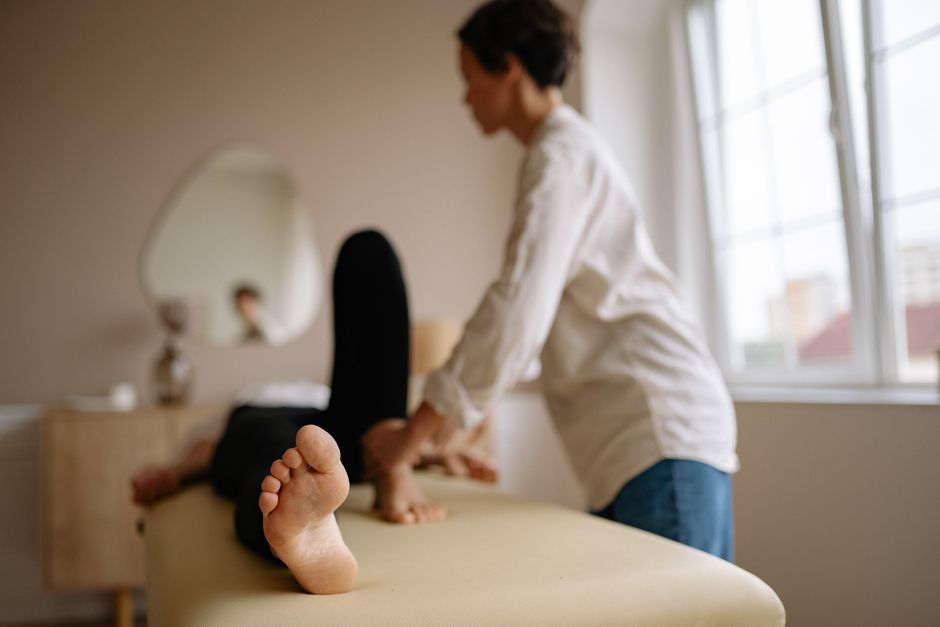
A foot cramp can stop you in your tracks. The muscle tightens into a hard knot, and the pain can be intense. For quick relief, you need to gently stretch the muscle, and for lasting relief, you need to address why the cramp happened in the first place. The fastest way to stop a cramp in the arch of your foot is to stand up, place your weight on the affected foot, and roll your foot slightly. For a calf cramp, straighten your leg and flex your toes toward your shin. These actions signal the muscle to relax.
What Causes Foot Cramps in the First Place?
Foot cramps are sudden, involuntary muscle contractions. They can last for seconds or stretch into several painful minutes. Most cramps are harmless, but they are also common and disruptive, especially when they wake you from sleep.
The exact cause of a cramp is not always clear. In many cases, no single trigger is found. However, several factors are consistently linked to a higher risk. These include muscle fatigue from prolonged standing or new exercise routines, dehydration, and sitting for long periods. Some research also points to electrolyte imbalances, particularly low levels of magnesium, potassium, or calcium, though the evidence for supplementation is not as strong as many marketing claims suggest.
Certain medications can also contribute. Diuretics, often used for blood pressure, can deplete electrolytes. Statins and some asthma medications have been linked to muscle cramps as a side effect. If you take a regular medication and notice cramps starting around the same time, that is worth discussing with your doctor.
How To Relieve a Foot Cramp Quick and Lasting Relief
When a cramp hits, speed matters. The goal is to interrupt the contraction and send a signal to the muscle to release.
- Stretch the muscle. For an arch cramp, pull your toes up and back toward your shin. You can do this while sitting by holding your toes, or while standing by pressing the ball of your foot into the floor.
- Apply pressure. Press your thumb firmly into the knotted area for 10 to 15 seconds. This manual pressure can help the muscle relax.
- Massage the area. Use slow, firm strokes along the length of the muscle. Do not knead aggressively, as the muscle is already irritated.
- Use heat or cold. Heat helps relax a tight muscle. A warm towel or heating pad works well. Ice is better after the cramp subsides if the area is sore, as it reduces inflammation.
- Move the joint. If you can, walk slowly. The motion of walking helps reset the nerve signals that are firing incorrectly.
For lasting relief, the work begins after the pain stops. If cramps happen at night, gentle calf and foot stretches before bed may reduce their frequency. Staying hydrated throughout the day matters more than chugging water right before sleep.
When a Foot Cramp Signals Something More Serious
Most cramps are isolated events. But there are times when a cramp is a symptom of a deeper problem. You should see a doctor if cramps become frequent, severe, or interfere with daily life.
Peripheral artery disease (PAD) can cause cramping in the legs and feet during activity. This happens because narrowed arteries reduce blood flow to the muscles. Unlike a typical cramp, PAD-related pain usually stops quickly when you rest. If you notice that walking a certain distance consistently triggers a cramp, mention this to your doctor.
Nerve compression, such as sciatica or tarsal tunnel syndrome, can also cause cramping sensations. These are often accompanied by numbness, tingling, or a burning feeling. If you have diabetes, foot cramps combined with changes in sensation warrant a medical evaluation, as nerve damage from diabetes can alter how your feet feel and function.
Thyroid disorders and certain neurological conditions can also cause muscle spasms. These are less common, but they are on the list of possibilities when cramps are persistent and unexplained.





What Actually Works for Prevention?
Prevention is where the evidence gets murkier. Many products claim to prevent cramps, but the research is limited.
Stretching has the most consistent support. A regular routine of calf and foot stretches, especially before bed, has been shown in some studies to reduce the frequency of nighttime leg cramps. The key is consistency. Stretching once a week will not do much.
Hydration is reasonable to maintain, but the link between dehydration and cramps is not as direct as popular wisdom suggests. Studies on athletes have not consistently shown that dehydration alone triggers cramps. Still, staying adequately hydrated is good for your muscles and overall health, so it is a low-risk habit to keep.
Electrolyte supplements are heavily marketed for cramps. The evidence is mixed. Some research suggests magnesium may help people with documented low magnesium levels, but for the average person, the benefit is uncertain. Potassium and calcium have similar limitations. Do not take high-dose supplements without medical guidance, as they can interfere with medications and kidney function.
Footwear matters more than most people realize. Shoes with poor arch support or stiff soles can strain the muscles of the foot. If you stand for long hours at work, supportive shoes with cushioning may reduce muscle fatigue. For some people, orthotic inserts help by changing how weight is distributed across the foot.
How to Stretch Your Feet and Calves Properly
Stretching is the single most effective preventive measure, but technique matters. A poor stretch can do more harm than good.
The towel stretch is a simple starting point. Sit with your legs straight in front of you. Loop a towel around the ball of your foot and gently pull the towel toward you. You should feel a stretch along the back of your calf and the bottom of your foot. Hold for 30 seconds. Repeat two or three times on each side.
The wall stretch targets the calf. Stand facing a wall with your hands on the wall at shoulder height. Step one foot back, keeping the heel flat on the floor. Bend the front knee and lean forward. You should feel the stretch in the back leg’s calf. Hold for 30 seconds and switch sides.
The plantar fascia stretch targets the arch specifically. Sit in a chair and cross one foot over the opposite knee. Grab the toes of the crossed foot and pull them back toward your shin. You should feel a stretch along the bottom of the foot. Hold for 15 to 30 seconds.
Stretching should never be painful. You should feel a gentle pull, not a sharp sensation. If a stretch causes pain, stop and adjust your position.
Do Supplements or Medications Help?
The supplement aisle is full of products claiming to stop cramps. The reality is that most have weak evidence behind them.
Magnesium is the most studied supplement for cramps. Some trials have shown a reduction in nighttime leg cramps, particularly in older adults. Other trials have found no benefit over a placebo. The evidence is mixed, and no large human trial has confirmed that magnesium reliably prevents foot cramps. If you are considering magnesium, talk to your doctor first, especially if you have kidney issues or take antibiotics, as magnesium can interact with certain medications.
Quinine is an old treatment for leg cramps, but the FDA has warned against it due to serious side effects, including heart rhythm problems. It is no longer recommended. If you see a product containing quinine, avoid it.
Some doctors prescribe muscle relaxants for severe, frequent cramps. These are not a first-line treatment. They come with side effects like drowsiness and dizziness. They are reserved for cases where cramps significantly disrupt sleep or daily function and other measures have failed.
When to See a Doctor
An occasional foot cramp is normal. But certain patterns should prompt a medical visit.
See a doctor if your cramps are waking you from sleep multiple times per week. Also seek medical advice if the cramps are accompanied by swelling, redness, or warmth in the foot, as these could indicate a blood clot. Numbness or tingling alongside cramps points to a nerve issue. If you notice weakness in the foot or leg, that is another reason to get evaluated.
If you take a diuretic or a statin and develop new cramps, your doctor may adjust the dose or consider an alternative. Do not stop a prescribed medication on your own. Cramps are a manageable side effect, and your doctor can help you weigh the risks and benefits.
Frequently Asked Questions
Why do I get foot cramps at night?
Nighttime cramps are often linked to muscle fatigue and prolonged positions that shorten the muscle. Sleeping with your toes pointed can also trigger a cramp because it keeps the calf and foot muscles in a shortened position.
Can dehydration cause foot cramps?
Dehydration is commonly associated with cramps, but studies have not consistently proven a direct cause. Staying hydrated is still important for muscle function, but it is not a guaranteed fix for cramps.
Is it safe to take magnesium for foot cramps?
Magnesium may help some people, but the evidence is mixed and no large trial confirms it works for everyone. Talk to your doctor before starting magnesium, especially if you have kidney disease or take antibiotics.
What is the fastest way to stop a foot cramp?
Stretch the muscle immediately by pulling your toes toward your shin and applying firm pressure to the knot. Standing and putting weight on the foot can also help stop the cramp quickly.
