
Neck pain is one of the most common reasons people visit a doctor, and most cases come from muscles and joints rather than anything serious. You can relax tight neck muscles with gentle movement, heat, and simple posture changes. For most people, staying lightly active and avoiding long periods in one position does more good than rest.
The muscles at the back and sides of your neck are small and constantly working. They hold up your head, which weighs roughly 10 to 12 pounds in an adult. When they stay tense or get overworked, they tighten and can become sore to the touch. The goal is not to force them to let go. It is to remove the strain that keeps them tight in the first place.
Why Do Neck Muscles Get Tight in the First Place?
Neck muscles tighten for a few predictable reasons. The most common is sustained posture. When you hold your head forward or down for a long time, the muscles at the back of the neck work harder to support it. They do not get a chance to rest.
Stress is a real factor, not a vague one. When people feel stressed, they often tense the shoulders and neck without noticing. This can go on for hours. Over time the muscles stay in a shortened, tightened state.
Other common causes include:
- Sleeping in an awkward position or on a pillow that is too high or too flat
- Holding a phone between your ear and shoulder
- Sudden unaccustomed activity, like moving furniture or a new workout
- Long drives or hours at a desk without a break
- Eye strain that makes you lean toward a screen
Less often, neck pain comes from a pinched nerve, arthritis, or a disc problem. Those causes usually bring other symptoms, such as pain shooting down the arm, numbness, or weakness. That pattern needs medical attention rather than stretching alone.
What Actually Helps Relax Tight Neck Muscles?
Heat and gentle movement are the two most reliable tools. Heat increases blood flow and helps muscles feel less stiff. A warm shower, a heating pad, or a warm compress for about 15 to 20 minutes can ease tightness. Use a barrier between the heat source and your skin, and never fall asleep on a heating pad.
Gentle movement matters more than aggressive stretching. Tight muscles often respond better to slow, easy motion than to being pulled hard. A few simple options:
- Slowly turn your head left and right, stopping before it hurts
- Tilt your ear toward your shoulder and hold for a few seconds, then switch sides
- Nod your chin gently toward your chest
- Roll your shoulders up, back, and down in slow circles
Move within a comfortable range. Sharp pain is a signal to stop, not push through. Mild stretching discomfort is different from pain, and the line matters.
Over-the-counter pain relievers can help short-term. Common options include acetaminophen and anti-inflammatory drugs like ibuprofen. Follow the label directions, and check with a doctor or pharmacist if you take other medications or have health conditions. These ease symptoms. They do not fix the underlying strain.
How To Relax Your Neck Muscles And Ease Pain at a Desk
Your setup does more for your neck than any single stretch. The goal is to stop asking your neck muscles to hold a position they were not built to hold all day.
Start with screen height. The top of your monitor should sit near eye level so you are not looking down. If you use a laptop for long stretches, a stand or a stack of books helps. An external keyboard lets your hands stay low while the screen stays high.
Keep your head roughly over your shoulders rather than jutting forward. This sounds small, but the further your head drifts forward, the more load your neck muscles carry. Even a modest forward shift adds real strain over an eight-hour day.
Take breaks. Standing up and moving every 30 to 45 minutes gives muscles a chance to reset. A short walk counts. So does a few shoulder rolls. The break does not need to be long. It needs to happen.
One thing people miss: your eyes drive your posture. If text is too small or the screen is too far, you lean in. That lean pulls your neck forward. Adjusting font size or moving the screen closer can quietly fix a posture problem you were trying to stretch away.





Do Stretches and Exercises Really Work?
For everyday muscle tension, gentle stretching and strengthening exercises are widely used and generally helpful. Research on neck pain consistently supports staying active and doing targeted exercise rather than resting completely. Complete rest tends to make muscles stiffer, not looser.
Strengthening the muscles that support the neck and upper back can reduce strain over time. The deep neck flexors, the muscles at the front of the neck, are often weak in people with ongoing neck pain. Slowly building them up can take pressure off the muscles at the back.
That said, the evidence is not equally strong for every approach. Some specific techniques marketed for neck pain have limited or mixed research behind them. The basics, gentle movement, posture awareness, and gradual strengthening, have the most consistent support. If you have a history of neck injury, disc problems, or arthritis, talk to a doctor or physical therapist before starting exercises.
When Should You See a Doctor for Neck Pain?
Most neck pain from muscle tension improves within a few days to a few weeks with basic care. Some symptoms mean you should get medical help rather than manage it yourself.
Seek care if you have:
- Pain that shoots down an arm, or numbness or weakness in an arm or hand
- Neck pain after an accident or injury, especially a fall or car crash
- Severe pain that starts suddenly
- Headache with fever, or a stiff neck you cannot bend forward
- Trouble with balance, walking, or using your hands
- Pain that keeps getting worse or lasts several weeks without improving
A stiff neck with fever, confusion, or a severe headache is a medical emergency. So is neck pain with loss of bladder or bowel control. These are uncommon, but they need urgent care.
For the everyday kind of tightness, the pattern is usually clear. It builds over days, eases with heat and movement, and gets worse with long periods in one position. That pattern points to muscle strain rather than something more serious.
What About Massage, Foam Rollers, and Other Tools?
Massage can relax tight neck muscles and often feels better right after. Whether it changes the underlying problem is less clear. Some studies suggest massage helps short-term pain and discomfort. The benefit tends to fade, so it works best alongside posture and movement changes rather than on its own.
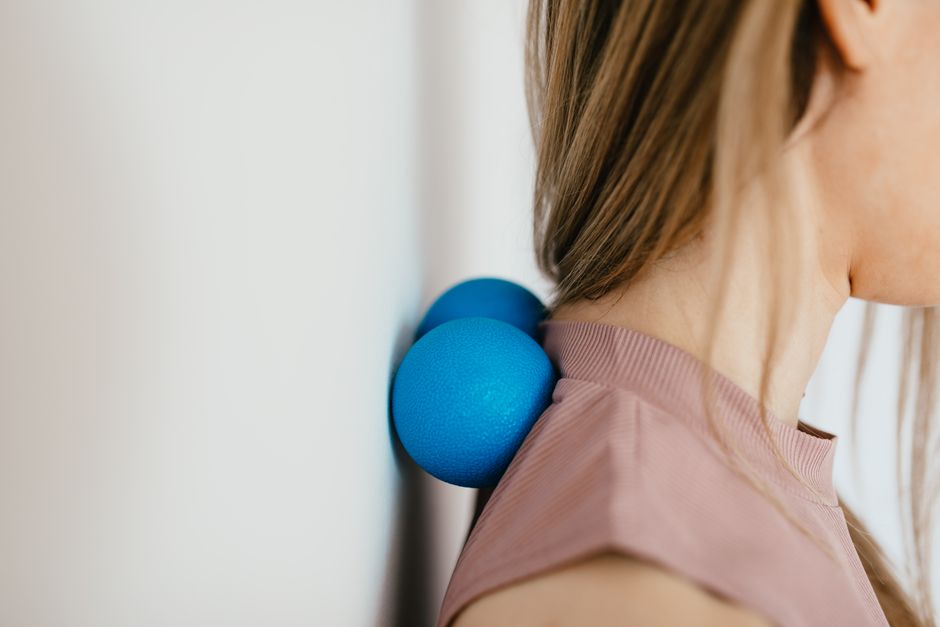
Foam rollers and massage balls can reach tight spots, but the neck is delicate. Pressing hard on the front or sides of the neck is not safe because of the blood vessels and nerves there. Keep any self-massage to the back of the neck and the upper shoulders, and use light pressure.
Be cautious with neck adjustments done by untrained hands. Chiropractic and similar manual therapies are used by many people, and some evidence supports them for certain neck pain. But high-velocity neck manipulation carries a rare risk of serious injury to the arteries in the neck. If you choose this route, use a licensed, experienced professional and tell them about any prior neck problems.
Does Stress Play a Role in Neck Tension?
Stress and neck tension are closely linked. When you are stressed, muscles in the neck and shoulders tighten as part of the body’s stress response. If that tension lasts, it can turn into ongoing soreness.
Addressing stress can help the muscles, not just your mood. Slow breathing, regular physical activity, and enough sleep all reduce muscle tension. Sleep matters more than people expect. Poor sleep makes pain feel worse and lowers your tolerance for discomfort.
A simple check helps. Throughout the day, notice whether your shoulders are creeping up toward your ears. Many people hold tension there without realizing it. Dropping the shoulders and taking one slow breath can interrupt the pattern before it builds.
Frequently Asked Questions
How long does it take for tight neck muscles to relax?
Most muscle-related neck pain eases within a few days to a few weeks with heat, gentle movement, and posture changes. If it lasts several weeks without improving, see a doctor.
Is heat or ice better for a tight neck?
Heat is usually better for tight, stiff muscles because it increases blood flow and helps them feel looser. Ice is more often used right after an injury to reduce swelling.
Can poor posture alone cause neck pain?
Yes, holding your head forward or down for long periods is one of the most common causes of neck muscle strain. Changing your setup and taking breaks can reduce it.
When is neck pain a sign of something serious?
Get medical help if pain shoots down an arm, comes with numbness or weakness, follows an injury, or includes fever and a stiff neck. These signs need prompt evaluation.
