
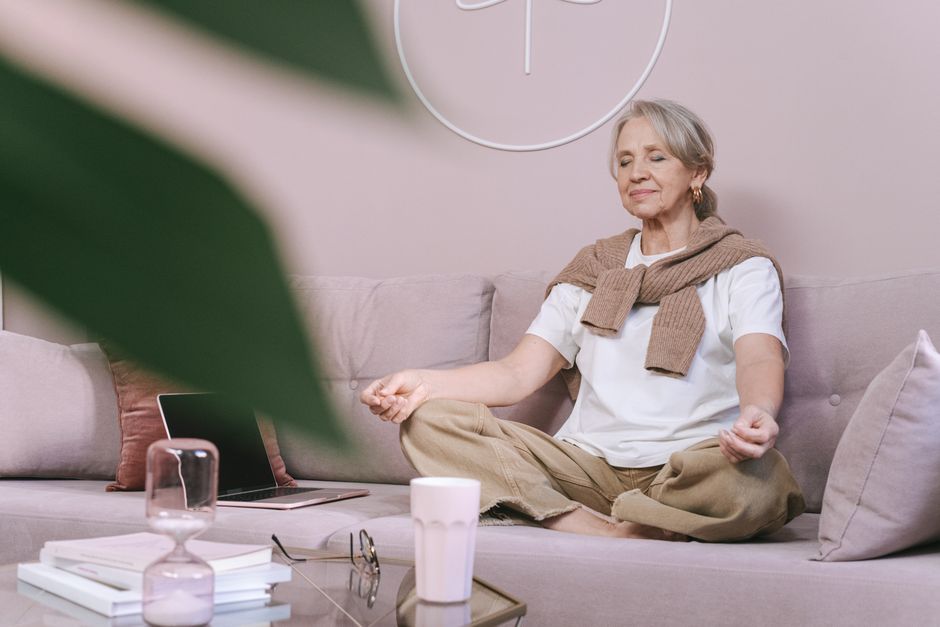
Stress is a normal part of life, but when your mind races and you cannot switch off, it stops being helpful. Science shows that relaxing your mind is not about willpower; it is about using specific techniques that change how your brain and body respond to pressure. The most effective, evidence-based methods involve slowing your breathing, engaging your senses, and shifting your brain’s focus away from threat detection. These actions trigger your parasympathetic nervous system, which is the body’s built-in brake for the stress response.
What Happens in Your Brain When You Are Stressed?
Your brain is wired to protect you. When it detects a threat, the amygdala sends a distress signal to the hypothalamus. This starts a chain reaction that releases stress hormones like cortisol and adrenaline. Your heart rate goes up, your muscles tense, and your thinking narrows to focus only on the perceived danger.
This is the fight-or-flight response. It is excellent if you are running from a bear, but it is harmful when your “threat” is an email, a deadline, or a difficult conversation. The problem is that your brain cannot easily tell the difference between a physical threat and a mental one. It treats them the same way.
The goal of relaxation is not to stop these hormones entirely. It is to activate the opposing system, the parasympathetic nervous system, which is responsible for rest and digestion. When this system is active, your heart rate slows, your blood pressure drops, and your mind clears.
How To Relax Your Mind From Stress According To Science
The fastest way to activate your parasympathetic nervous system is through your breath. Slow, deep breathing physically stimulates the vagus nerve, which runs from your brainstem to your abdomen. This nerve acts as a communication line between your brain and body, telling your body that it is safe to calm down.
The specific pattern that works best is extended exhale breathing. You inhale for a count of four, then exhale for a count of six or eight. The longer exhale is the key. It directly slows your heart rate and signals your brain to reduce alertness. Even a few minutes of this pattern can lower your stress level noticeably.
This technique is not a theory. It is a measured physiological response that has been observed in clinical settings. When you breathe this way, your heart rate variability increases, which is a marker of a healthy, flexible stress response.
Why Your Thoughts Keep Spinning and How to Stop Them
Mental stress often comes from rumination, which is the habit of replaying the same worries over and over. This is not a character flaw. It is a brain pattern. The default mode network, a set of brain regions active when you are not focused on a task, is responsible for this mental wandering. When you are stressed, this network becomes hyperactive.
To interrupt this loop, you need to give your brain a different job. Mindfulness meditation is one of the most studied methods for this. Research consistently shows that regular mindfulness practice reduces activity in the default mode network and strengthens the areas of the brain associated with attention and emotional control.
You do not need to meditate for an hour to get the benefit. Even ten minutes a day of focused attention on your breath or bodily sensations can reduce the frequency of racing thoughts. The key is consistency, not duration. A short daily practice is more effective than a long session you do once a month.





The Role of Physical Movement in Mental Relaxation
Your mind and body are not separate systems. Physical tension feeds mental tension. When you are stressed, your muscles stay contracted, which sends signals back to your brain that danger is still present. This creates a feedback loop that keeps you on edge.
Movement breaks this loop. Exercise releases endorphins, which are natural mood elevators, but that is only part of the story. Physical activity also burns off excess adrenaline and cortisol. It forces your body to use the energy that the stress response created, which tells your brain that the threat has passed.
You do not need intense workouts to get this effect. Walking, stretching, or gentle yoga are all effective. Progressive muscle relaxation, where you tense and then release each muscle group in sequence, is particularly useful for people who carry stress in their shoulders, neck, or jaw. This technique teaches you to recognize the difference between tension and relaxation.
How to Use Your Senses to Calm Your Mind Quickly
Your brain processes sensory information before it processes thoughts. This means you can use your senses to interrupt a stress response in real time. This is why a specific scent or song can instantly change your mood. It bypasses the thinking part of your brain and goes straight to the emotional centers.
Cold water is one of the most reliable sensory interventions. Splashing cold water on your face or holding an ice cube triggers the mammalian dive reflex, which immediately slows your heart rate and redirects blood flow to your brain. This is a hardwired physiological response that does not require any mental effort.
Sound also works. Slow-tempo music, around 60 beats per minute, can synchronize your heart rate to its rhythm. This is called entrainment. Nature sounds, like rain or ocean waves, are effective because they are predictable and non-threatening, which allows your brain to lower its alert level.
Why Caffeine and Screens Make Stress Worse
Some habits work against your ability to relax. Caffeine is a stimulant that blocks the brain’s sleep chemicals and keeps your nervous system in a state of heightened arousal. If you are already stressed, caffeine amplifies the physical symptoms like a racing heart and jittery muscles. The effects can last for hours, depending on how your body metabolizes it.
Screen time before bed is another major obstacle. The blue light from phones and computers suppresses melatonin, the hormone that regulates sleep. But the content matters too. Checking work emails or scrolling through news keeps your brain in a state of alertness. You are telling your brain to stay vigilant at the exact time you want it to power down.
An honest approach is to treat these as controllable factors. Reducing caffeine intake after midday and creating a screen-free period before bed are practical steps. They do not require any special skill, but they remove the chemical and environmental barriers that block your relaxation efforts.
When Stress Becomes a Medical Concern
Relaxation techniques are powerful tools, but they are not a cure for everything. If stress is causing persistent insomnia, panic attacks, or an inability to function in daily life, these techniques may not be enough. Chronic stress can also contribute to high blood pressure, digestive problems, and weakened immune function.
There is no shame in seeking professional help. Cognitive behavioral therapy has strong evidence for treating stress and anxiety. It works by identifying the thought patterns that drive your stress response and replacing them with more realistic ones. A therapist can also help you build a personalized relaxation plan that fits your specific triggers.
The evidence for medication is also clear. For some people, the biological component of stress is so strong that lifestyle changes alone are insufficient. This is not a failure of effort. It is a medical condition that deserves medical treatment, just like any other.
Frequently Asked Questions
How quickly can breathing exercises lower stress?
Slow breathing with an extended exhale can lower your heart rate within a few minutes. The full calming effect on your mood may take ten to twenty minutes of consistent practice.
Does meditation work better than medication for stress?
Meditation is effective for mild to moderate stress, but medication is often necessary for severe or chronic cases. The best approach depends on the severity of your symptoms and should be discussed with a doctor.
Can relaxing my mind lower my blood pressure?
Yes, activating the parasympathetic nervous system through relaxation techniques can temporarily lower blood pressure. Long-term reductions require consistent daily practice and often lifestyle changes as well.
Why do I feel more stressed when I try to relax?
This can happen when you are so used to being on high alert that relaxation feels unfamiliar or unsafe. It is a known phenomenon, and it often lessens with repeated, short practice sessions.
