
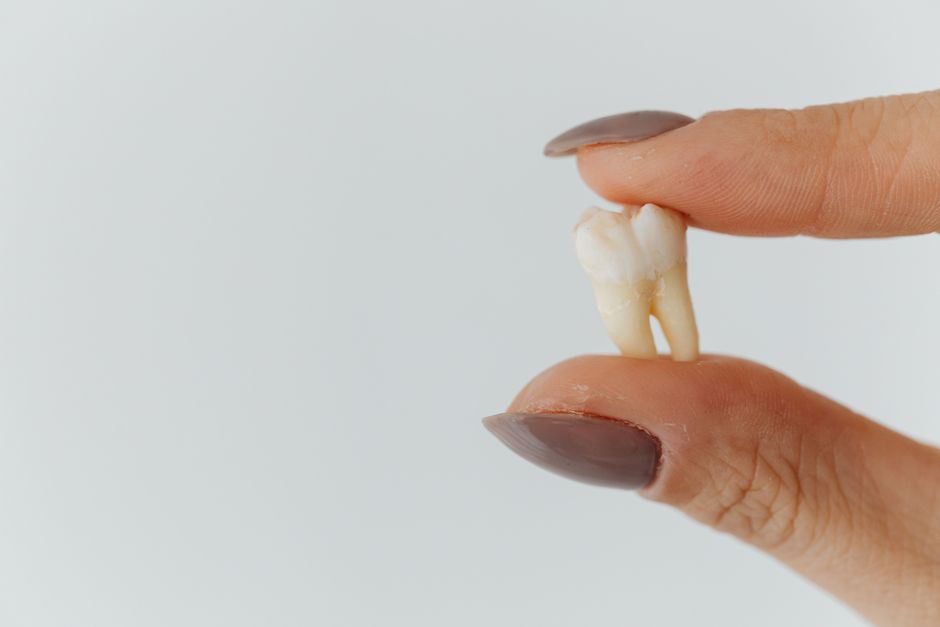
Tooth sensitivity is a sharp, sudden pain when your teeth meet something hot, cold, sweet, or acidic. It happens when the protective enamel wears down or gums recede, exposing the softer dentin underneath. Relief starts with desensitizing toothpaste and soft brushing, then moves to professional treatments if the pain continues.
What Causes Tooth Sensitivity?
Your teeth have a hard outer layer called enamel. Below the gumline, a layer called cementum protects the roots. When either wears away, the inner layer called dentin becomes exposed. Dentin is full of tiny tubes that lead straight to the nerve at the center of your tooth.
When heat, cold, or acid touches these open tubes, the fluid inside them shifts. That movement triggers the nerve and causes the sharp pain you feel. It is a physical response, not a sign that your tooth is weak or unhealthy on its own.
Common causes of enamel loss and gum recession include:
- Brushing too hard or using a hard-bristled brush
- Acidic foods and drinks that erode enamel over time
- Grinding or clenching your teeth, especially at night
- Gum disease that pulls gums away from the teeth
- Tooth decay or a cracked tooth that exposes dentin
- Recent dental work like whitening or cleanings
- Acid reflux that brings stomach acid into the mouth
Some people are simply born with thinner enamel. That is not something you did wrong. But many causes of sensitivity are related to habits you can change.
How To Relieve Tooth Sensitivity Tips And Treatments
Start with the simplest changes first. Desensitizing toothpaste is the most studied first-line treatment. These toothpastes contain compounds like potassium nitrate or stannous fluoride. Potassium nitrate calms the nerve inside the tooth. Stannous fluoride physically blocks the open dentin tubules.
Use the toothpaste consistently. It can take several applications before you notice a difference. Most research suggests using it twice daily for at least two to four weeks to see full benefit. If one brand does not help after a month, try one with a different active ingredient.
Switch to a soft-bristled toothbrush if you have not already. Hard bristles remove more plaque, but they also remove enamel and irritate gums. Brush with gentle, circular motions for two minutes. Aggressive scrubbing does more harm than good.
Wait at least 30 minutes after eating acidic foods before brushing. Acid softens enamel temporarily. Brushing during that window can brush the softened enamel away. Rinse with water or chew sugar-free gum to neutralize acid instead.
For immediate relief during a flare-up, rinse with a fluoride mouthwash or apply a thin layer of desensitizing toothpaste directly to the sensitive area. Leave it on for a few minutes before rinsing lightly. This gives the active ingredients more contact time with the exposed dentin.
Professional Treatments for Lasting Relief
If home care does not resolve the sensitivity, a dentist has stronger options. Fluoride varnish is a concentrated fluoride coating painted onto the sensitive areas. It hardens on the teeth and blocks the open tubules. One application can provide relief that lasts for months in some cases.
Dental bonding is another option. The dentist applies a tooth-colored resin over the exposed root or worn enamel. This physically covers the dentin so triggers cannot reach it. Bonding is most useful when sensitivity comes from gum recession or enamel wear in specific spots.
For sensitivity caused by grinding, a night guard is often the answer. The guard creates a barrier between your upper and lower teeth. It prevents the clenching force that wears enamel down over time. A custom-fitted guard from your dentist is more comfortable and more effective than a store-bought one.
In-office treatments with stannous fluoride gel or amorphous calcium phosphate can also help. These compounds deposit minerals into the dentin surface. The effect is similar to desensitizing toothpaste but stronger and applied directly by a professional.





When Tooth Sensitivity Means Something More Serious
Sensitivity can also be a warning sign of a bigger problem. If you have a persistent ache rather than a sharp twinge, or if one specific tooth is sensitive while the rest are fine, see a dentist. These patterns can point to tooth decay, a cracked tooth, or an abscess.
Tooth decay exposes dentin just like enamel wear does. But decay does not heal on its own. It needs a filling. A cracked tooth can cause pain when you bite down or when the tooth is exposed to temperature changes. A dentist needs to evaluate the crack to decide whether a crown or other treatment is needed.
Gum disease is another cause that needs professional care. When gums recede due to infection, the roots become exposed. Treating the gum disease stops further recession. A dentist or periodontist can deep-clean the affected areas and, in advanced cases, recommend a gum graft to cover the exposed roots.
Pay attention to these warning signs:
- Sensitivity confined to one tooth only
- Pain that lingers after the trigger is removed
- Visible cavities or dark spots on teeth
- Swollen, bleeding, or painful gums
- Sensitivity that continues despite three to four weeks of desensitizing toothpaste
If any of these apply, home treatment is not enough. The underlying issue needs a dental examination.
What the Research Says About Home Remedies
Internet searches turn up many DIY remedies for sensitive teeth. Some have real evidence behind them. Others are harmless but unproven. A few can actually damage your teeth.
Oil pulling — swishing coconut or sesame oil in your mouth for 15-20 minutes — is popular. Some studies suggest it may reduce plaque and gum inflammation. But no clinical evidence currently confirms that it treats dentin sensitivity. It is unlikely to hurt, but it is not a substitute for proven treatments.
Salt water rinses are a different story. A warm salt water rinse can soothe irritated gums and may help if gum inflammation is contributing to your sensitivity. Dissolve half a teaspoon of salt in a glass of warm water and swish for 30 seconds. This is safe to do several times a week.
Be cautious with claims about activated charcoal toothpaste. Charcoal is abrasive. While it may remove surface stains, it can also wear down enamel over time. That makes sensitivity worse, not better. The evidence does not support charcoal toothpaste as a treatment for sensitivity.
Clove oil has a genuine track record. Clove contains eugenol, a compound with numbing properties. Some research supports its use for tooth pain. Apply a tiny amount to the sensitive area with a cotton swab. It can provide temporary relief but does not treat the underlying cause.
No home remedy replaces fluoride or professional care. If a remedy sounds too simple or too good to be true, it probably does not address the structural problem of exposed dentin.
How To Prevent Tooth Sensitivity From Returning
Prevention comes down to protecting your enamel and gums. The habits that cause sensitivity are mostly the same habits that prevent it — done correctly.
Brush twice a day with a soft brush and fluoride toothpaste. Floss once daily to remove plaque between teeth where brushing cannot reach. Plaque buildup along the gumline causes inflammation and gum recession, which exposes roots.
Watch your acid exposure. Citrus fruits, sodas, sports drinks, and wine all erode enamel. You do not need to eliminate them, but you should limit how often you consume them. Sipping an acidic drink throughout the day is worse than finishing it quickly because it keeps acid on your teeth longer.
Use a straw for acidic drinks when practical. This directs the liquid past most of your teeth. Rinse with plain water afterward. Do not brush immediately after acidic foods or drinks.
If you grind your teeth, address it. Many people grind at night without knowing. A dentist can spot the wear patterns. A night guard protects your enamel from the pressure of grinding, which can be several times the force of normal chewing.
Regular dental checkups catch enamel wear and gum recession early. Your dentist can see problems developing before you feel sensitivity. Early intervention is simpler and less expensive than treating advanced damage.
Frequently Asked Questions
Can tooth sensitivity go away on its own?
Mild sensitivity from recent dental work or temporary acid exposure can resolve on its own. Sensitivity from enamel loss or gum recession typically does not improve without treatment because the dentin remains exposed.
Is sensitivity toothpaste safe to use every day?
Yes, desensitizing toothpaste is safe for daily use and works best when used consistently. Most brands are formulated for long-term use just like regular toothpaste.
Does whitening toothpaste cause tooth sensitivity?
Whitening toothpastes can cause sensitivity because they contain abrasives and chemicals that remove surface stains. If you notice sensitivity after using one, switch to a sensitivity formula or alternate between the two.
How long does it take for desensitizing toothpaste to work?
Most people notice some relief within two weeks of twice-daily use. Full benefit typically requires three to four weeks of consistent application.
