
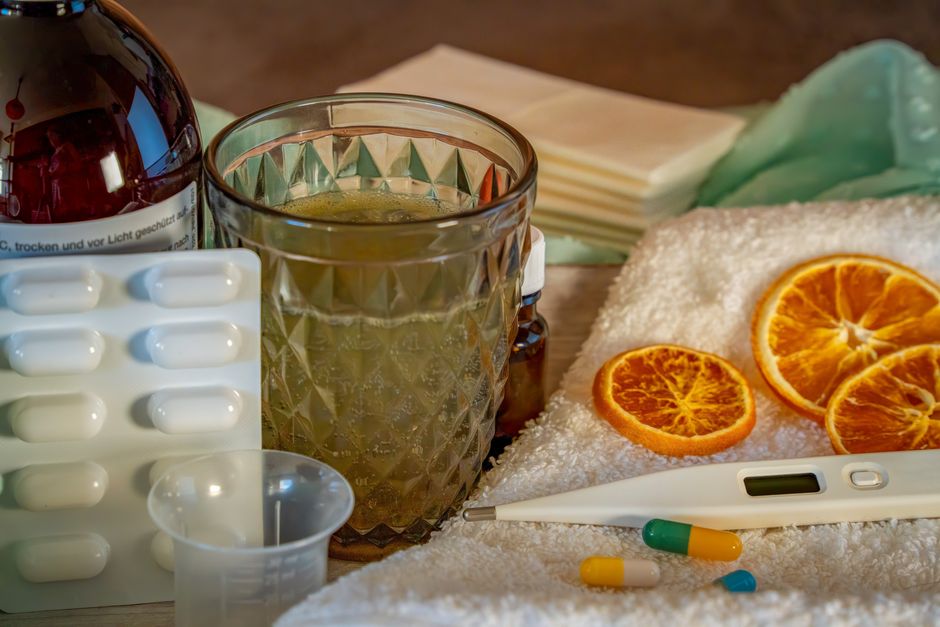
Swelling after a vasectomy is normal, and it usually peaks in the first two to three days. The fastest way to bring it down is a combination of rest, ice, scrotal support, and elevation, started right after the procedure. Most of the swelling is gone within a week to ten days.
Why Does Swelling Happen After a Vasectomy?
A vasectomy is a small operation, but it is still an operation. The surgeon makes one or two small openings in the scrotum, finds each vas deferens (the tube that carries sperm), and seals or cuts it. That means cutting skin, tissue, and small blood vessels.
The body responds the way it responds to any minor injury. Blood vessels near the wound widen and become more permeable, which lets fluid and immune cells move into the surrounding tissue. That fluid buildup is what you see and feel as swelling. It is part of normal healing, not a sign that something went wrong.
There is also gravity working against you. The scrotum sits at the lowest point of the torso when you are standing or sitting upright. Fluid tends to collect downward. This is why swelling often looks worse after a day of walking around than it does after a day on the couch.
A small amount of bruising is common too, and it can spread down toward the base of the penis or the inner thigh over the first few days. Bruising that appears or spreads in the days after surgery is usually just blood tracking under the skin. It is not automatically a problem.
What Is the Fastest Way To Reduce Swelling After a Vasectomy?
Ice and elevation, started early and done consistently, are the two most effective things you can do. Neither is complicated, but both work best when you begin within the first few hours after surgery rather than waiting for swelling to build.
Cold slows blood flow to the area and reduces the fluid leaking into tissue. Elevation uses gravity to help that fluid drain away from the scrotum instead of pooling there.
How to apply ice correctly
- Use a cold pack, a bag of frozen peas, or ice in a cloth. Never put ice directly on bare skin.
- Apply for about 20 minutes at a time, then take a break of at least 20 minutes before applying again.
- Keep a thin cloth or towel between the cold pack and your skin.
- Repeat several times a day for the first 48 to 72 hours.
After the first two to three days, cold therapy helps less. Some clinicians suggest switching to gentle warmth after that point to help with comfort, but the evidence for warm compresses specifically is thin. The main value of ice is in the early window.
How to elevate properly
Lie down on your back with your feet up and place a rolled towel or small pillow under the scrotum. The goal is to raise the scrotum above the level of your heart, or as close to that as is comfortable. Do this for extended periods during the first two days, not just a few minutes at a time.
Sitting in a recliner with your feet up is not the same as lying flat. Lying down gives you the most elevation and takes the most pressure off the area.
Does Scrotal Support Actually Help?
Yes. Supportive underwear reduces the movement and pull on healing tissue, which reduces discomfort and can limit fluid buildup.
Athletic supporters or snug briefs work better than loose boxers during recovery. Some urologists recommend wearing supportive underwear around the clock for the first week, including while sleeping. Others suggest a jockstrap over your regular underwear for extra support.
This is one area where common practice and evidence line up reasonably well. Support is widely recommended, and the logic is straightforward: less movement means less irritation to a healing wound. What is less clear is exactly how many days of support is ideal. Most guidance points to about one to two weeks.
If you normally wear boxers, this is not the week to keep wearing them. Switch to something with more support until swelling and tenderness have settled.


What Should You Avoid While Swelling Is Still There?
Activity is the most common reason swelling lingers or flares back up. The tissue needs time before it is asked to handle normal loads.
For the first 24 to 48 hours, plan on doing very little. After that, light activity like walking around the house is generally fine. Strenuous activity is a different story.
Avoid these until your doctor clears you, which is often around one week but can be longer:
- Heavy lifting, including weights and moving furniture
- Running, cycling, and contact sports
- Swimming, baths, and hot tubs, until the incisions are fully closed
- Sexual activity and ejaculation
The timing on resuming sex varies by source. Many clinicians suggest waiting about a week, and some suggest longer. Because the vas deferens is part of the tissue that is healing, ejaculation can increase pressure and discomfort in the area. Ask your own surgeon, since their recommendation depends on how your procedure went.
One point that surprises people: a vasectomy is not effective immediately. Sperm can remain in the tube beyond the surgical site for weeks or months. You will need a follow-up semen test to confirm the procedure worked. Until then, use another form of birth control.
When Is Swelling a Sign of Something More Serious?
Some swelling is expected. Swelling that keeps getting worse instead of better is not.
Call your doctor if you notice any of the following:
- Swelling that increases after the first few days rather than improving
- Pain that is getting worse instead of better
- Fever, chills, or feeling generally unwell
- Redness, warmth, or streaking around the incision
- Pus or a bad-smelling discharge from the wound
- Bleeding that does not stop with gentle pressure
- A hard, rapidly growing lump in the scrotum
Two complications are worth knowing about by name. A hematoma is a collection of blood that pools in the scrotum. It can look like a large, firm, dark swelling and may develop over hours or days. A hydrocele is a buildup of fluid around the testicle. Both can happen after vasectomy, and both are reasons to contact your surgeon rather than wait it out.
Infection at the incision site is uncommon but possible. It usually shows up as increasing redness, warmth, and pain along with fever.
There is one more condition to be aware of, though it is rare after vasectomy: a twisted testicle, where the testicle rotates and cuts off its own blood supply. This is a medical emergency. Sudden severe pain, nausea, and a testicle that sits higher or at an odd angle are warning signs. If that happens, go to an emergency room immediately. Do not wait to see if it improves.
How Long Does Swelling Usually Last?
Most swelling settles within a week to ten days. Bruising may take a bit longer to fade completely, sometimes up to two weeks.
A small amount of lingering tenderness or a slightly enlarged feeling in the scrotum can last longer than the visible swelling. Some men notice mild discomfort for a few weeks. That is generally within the range of normal healing.
Persistent pain lasting months after a vasectomy is a recognized but uncommon condition, sometimes called post-vasectomy pain syndrome. Estimates of how often it happens vary widely between studies, and the true rate is debated. If pain is not improving after several weeks, that is a conversation to have with your doctor rather than something to push through.
Does Anything Speed Up Recovery Beyond the Basics?
Not much, honestly. Rest, ice, support, and elevation cover most of what actually helps.
Over-the-counter pain relievers can make you more comfortable, which indirectly helps because you are more likely to rest. Acetaminophen and ibuprofen work differently, and some surgeons recommend alternating them. Follow the dosing on the package or your doctor’s instructions. If you take blood thinners or have kidney, liver, or stomach conditions, check with your doctor first.
Antibiotics are not routinely given for a vasectomy, and they do not reduce normal swelling. If your surgeon prescribed them, finish the course as directed.
Things that do not have good evidence behind them for reducing post-vasectomy swelling include herbal supplements, topical creams marketed for swelling, and compression devices sold online for this purpose. No clinical evidence currently confirms these help.
One practical note that does help: drink water and eat normally. Dehydration and poor nutrition slow healing in general, even if they do not target the scrotum specifically.
Frequently Asked Questions
How long does swelling last after a vasectomy?
Most swelling improves within a week to ten days, though bruising can take up to two weeks to fade. Mild tenderness may linger longer than the visible swelling.
Should I use ice or heat for swelling after a vasectomy?
Ice is the standard for the first 48 to 72 hours, applied for about 20 minutes at a time with a cloth between the pack and your skin. After that window, ice helps less, and some clinicians suggest gentle warmth for comfort.
Can I walk around or exercise with swelling after a vasectomy?
Light walking around the house is usually fine after the first day or two. Heavy lifting, running, cycling, and contact sports should wait until your doctor clears you, often around one week.
When should I call my doctor about swelling after a vasectomy?
Call if swelling keeps getting worse after the first few days, or if you have fever, spreading redness, pus, or bleeding that will not stop. Sudden severe pain needs emergency care right away.
