
Spasticity in the legs happens when your brain and muscles lose their normal communication, causing muscles to tighten, stiffen, or jerk uncontrollably. The right treatment plan depends on the cause—whether it’s from multiple sclerosis, stroke, spinal cord injury, or cerebral palsy—but physical therapy and targeted stretching form the foundation of every effective approach. For many people, combining daily stretching with oral medications or newer injectable treatments provides the most reliable reduction in leg stiffness and pain.
What Causes Spasticity In The Legs?
Spasticity occurs when damage to the brain or spinal cord disrupts the signals that normally control muscle tone. The nerves that tell a muscle to relax fail to work properly, so the muscle stays contracted or contracts suddenly without warning. This is not a muscle problem—it is a nervous system problem.
Common causes include stroke, multiple sclerosis, cerebral palsy, traumatic brain injury, and spinal cord injury. The location and extent of the damage determines how severe the spasticity is and which muscles are affected. Some people experience mild tightness, while others have severe stiffness that interferes with walking, standing, or sleeping.
How To Reduce Spasticity In Legs Treatments That Work
The most effective approach combines several treatments rather than relying on a single method. Physical therapy is the cornerstone. A physical therapist can teach you specific stretching exercises that lengthen tight muscles and prevent them from shortening permanently. Daily stretching for 15 to 30 minutes can make a measurable difference in leg flexibility and comfort.
Oral medications are commonly prescribed when stretching alone is not enough. Baclofen, tizanidine, and gabapentin are the most frequently used options. These medications work by calming the nerve signals that trigger muscle contractions. They are effective for many people, but they can cause drowsiness, weakness, or dizziness. Doses are usually started low and increased gradually to find the right balance.
Injectable treatments are another proven option. Botulinum toxin injections, commonly known as Botox, are injected directly into the affected leg muscles. The toxin blocks the nerve signal at the muscle, reducing spasticity for about three to six months before repeat injections are needed. This treatment works best when spasticity is limited to a few specific muscles rather than widespread throughout the leg.
For severe spasticity that does not respond to oral medications or injections, an intrathecal baclofen pump may be considered. This surgically implanted device delivers baclofen directly into the fluid surrounding the spinal cord. Because the medication goes straight to the source, much smaller doses are needed, which means fewer side effects.
Does Stretching Actually Help Spastic Legs?
Yes, stretching is the most consistently supported non-drug treatment for leg spasticity. When you stretch a spastic muscle slowly and hold the position, you give the nervous system a chance to recognize the muscle’s length and reduce its contraction signal. This is why physical therapists emphasize slow, sustained stretching rather than quick or forceful movements.
Static stretching—holding a stretch for 30 to 60 seconds—appears to be more effective than bouncing or quick movements. Stretching should be done gently. Pain is a signal to stop, not a sign that the stretch is working. A therapist can show you the safest positions for your specific muscle groups, especially for the hamstrings, quadriceps, and calf muscles that most commonly tighten.
Some research suggests that regular stretching may also help prevent contractures, which are permanent shortenings of muscles and tendons that occur when spasticity goes untreated. Once a contracture develops, it is much harder to treat. This is why starting a stretching routine early matters.





What About Physical Therapy And Exercise?
Physical therapy goes beyond stretching. It includes strengthening exercises for the muscles that oppose the spastic ones, balance training, and gait retraining if walking is affected. Strengthening the antagonist muscles—the ones that work against the spastic muscle—can help stabilize the joint and reduce the pull of the spastic muscle.
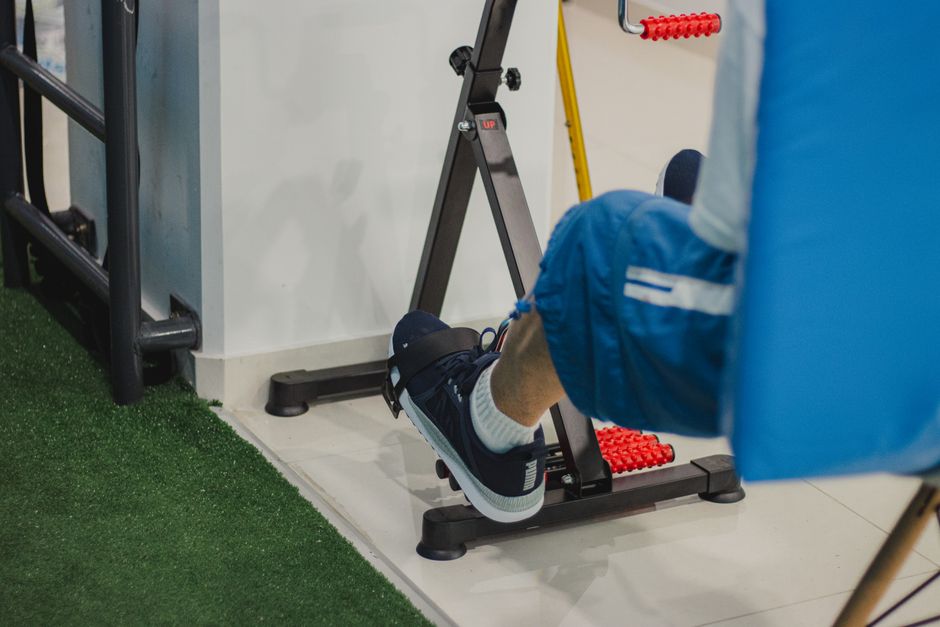
Cycling on a stationary bike is often recommended. The rhythmic, repetitive motion helps train the legs to move in a coordinated pattern. Some research suggests that aerobic exercise may reduce spasticity temporarily, though the effect varies from person to person. The key is consistency. A few sessions of therapy per week will not produce lasting change if the exercises stop when therapy ends.
Occupational therapists can also help with daily activities that are affected by leg spasticity, such as dressing, bathing, or transferring from a chair to a bed. They may recommend adaptive equipment or positioning strategies that reduce spasticity triggers.
Are There Home Remedies Or Lifestyle Changes That Help?
Temperature can influence spasticity. Some people find that cold packs reduce muscle spasm temporarily, while others respond better to warmth. The evidence for either approach is limited, and responses vary widely. It is worth experimenting under the guidance of a therapist to see which works for you.
Positioning matters. When lying down, placing a pillow under the knees can reduce hamstring tightness. When sitting, keeping the feet flat on the floor and the knees at a 90-degree angle can reduce calf spasticity. These simple adjustments do not treat the underlying cause, but they can reduce discomfort during daily activities.
Stress and fatigue are known to worsen spasticity. When you are tired or anxious, your nervous system is more excitable, and muscle spasms are more likely. Getting adequate sleep and managing stress through relaxation techniques may reduce the frequency of spastic episodes, though this is not a substitute for medical treatment.
When Should You Consider Surgery?
Surgery is reserved for cases where other treatments have failed and spasticity severely limits function or causes significant pain. Procedures include tendon lengthening, which releases tight tendons, and selective dorsal rhizotomy, a more complex surgery that cuts specific nerve roots in the spinal cord to reduce spasticity signals.
These are major procedures with significant recovery periods. They are not first-line treatments. A specialist team—usually a neurologist, physiatrist, and orthopedic surgeon—should evaluate whether surgery is appropriate. Most people never need surgery for leg spasticity because medications and therapy provide adequate control.
What Is The Best Treatment Plan For You?
There is no single best treatment for everyone. The right plan depends on the cause of your spasticity, its severity, which muscles are affected, and how it impacts your daily life. A physiatrist—a doctor who specializes in physical medicine and rehabilitation—is often the best person to coordinate your care.
Your doctor will likely start with physical therapy and stretching. If that is not enough, oral medications are added. If oral medications cause side effects or do not work well, injectable treatments are considered. The intrathecal pump is typically reserved for severe cases. This stepwise approach is supported by clinical guidelines and gives most people meaningful improvement without unnecessary interventions.
Be honest with your doctor about how spasticity affects your sleep, mobility, and comfort. These details help guide treatment decisions. Also report any side effects from medications promptly. Adjusting the dose or switching to a different drug often resolves the problem.
Frequently Asked Questions
Can spasticity in the legs go away completely?
Spasticity rarely resolves completely on its own, but it can be managed effectively so it interferes less with daily life. Treatment can reduce stiffness and spasms significantly, though some degree of muscle tightness often remains.
How long does it take for spasticity treatment to work?
Stretching and physical therapy can produce noticeable improvement within weeks of consistent daily practice. Oral medications typically take effect within days to weeks, while Botox injections may take one to two weeks to reach full effect.
Is walking good for leg spasticity?
Walking can be beneficial if you can do it safely, as it keeps muscles active and joints flexible. However, walking with poor form can worsen spasticity, so it is best to work with a physical therapist to ensure proper gait mechanics.
