
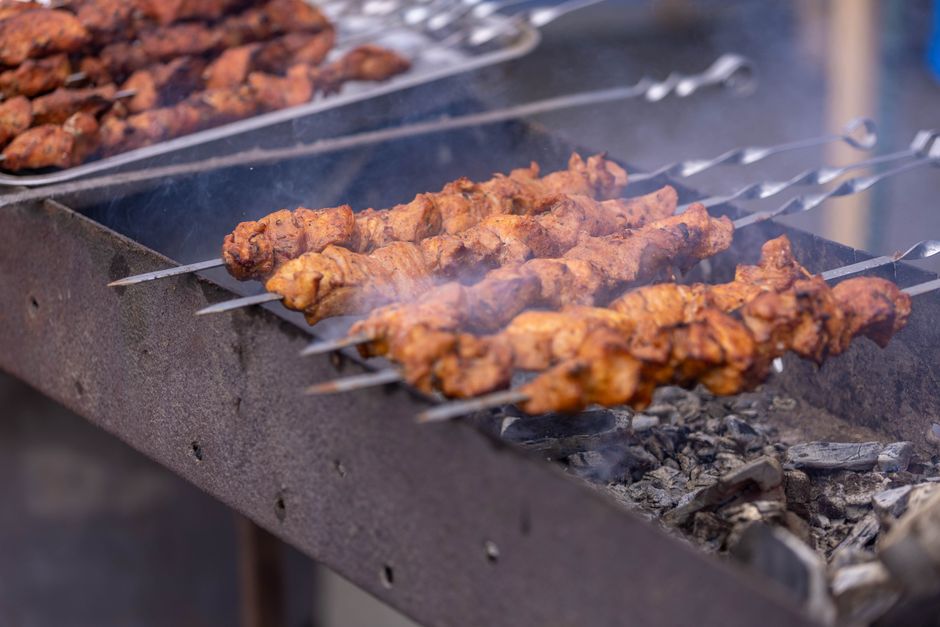
Smoke in your kitchen is not normal and it is not something you have to live with. Most kitchen smoke comes from cooking oil heated past its smoke point, moisture hitting a hot surface, or food residue burning on the pan. You can reduce smoke significantly by choosing the right oil, controlling your heat, keeping your cookware clean, and using ventilation properly. These steps work in any kitchen whether you have a professional range or a basic apartment stove.
What Actually Causes Smoke When You Cook?
Smoke in the kitchen starts when something gets hot enough to break down and release particles into the air. The most common cause is cooking oil. Every oil has a smoke point — the temperature where it starts to burn and produce visible smoke. When oil reaches that temperature, it breaks down chemically and releases compounds that can irritate your lungs and leave a film on your surfaces.
But oil is not the only source. Water dripping from vegetables or meat onto a hot pan creates steam that looks like smoke. Food particles left on the pan from the last meal burn quickly at high heat. Marinades and sauces that contain sugar or milk solids burn at lower temperatures than oil alone. The smoke you see is a mix of all these things burning.
The temperature of your cooking surface matters more than most people realize. An empty pan on high heat can easily reach 500°F or more. That is hot enough to burn almost any cooking oil. Research from the University of California Berkeley found that cooking fumes contain fine particulate matter that can affect indoor air quality. The higher the heat, the more particles you release.
How To Reduce Smoke When Cooking In Any Kitchen
The single most effective step is matching your oil to your cooking temperature. Extra virgin olive oil has a smoke point around 375°F. Avocado oil has a smoke point above 500°F. If you are searing meat or stir-frying at high heat, use avocado oil, grapeseed oil, or refined coconut oil. If you are sautéing gently, olive oil or butter is fine. The smoke happens when the oil and the heat do not match.
Heat management is the second key. Do not preheat an empty pan on high for more than a minute. Add oil to a cold or medium-hot pan, not a screaming hot one. When you add food, the temperature drops. Give it a moment to come back up before adding more. Sudden temperature changes create more steam and splatter, which leads to smoke.
Keep your pan clean between uses. That thin layer of burned oil from yesterday will smoke at a much lower temperature than fresh oil. A quick wipe with a paper towel is not enough. Wash pans thoroughly with soap and water after each use. The same goes for your oven. If you use the oven to cook, burned food on the bottom will smoke and smell.
Use your exhaust fan every time you cook. Many people only turn it on when they see smoke. By then, the particles are already in the air. Turn the fan on before you start heating the pan. If your fan vents back into the kitchen instead of outside, it is less effective but still helpful. Open a window if you can. Cross-ventilation moves smoke out faster than any fan alone.
Does Cooking Oil Quality Really Matter for Smoke Reduction?
Yes, and the difference is larger than most people assume. Highly refined oils have higher smoke points than unrefined or cold-pressed versions of the same oil. Refined avocado oil smokes at 520°F. Unrefined avocado oil smokes around 480°F. That difference matters when you are cooking at high heat.
But there is a limit to what oil quality can do. No oil can handle direct flame or a pan left on high for several minutes. The oil will eventually break down no matter how refined it is. The real solution is not buying a more expensive oil. It is controlling your heat so the oil never reaches its breaking point.
One non-obvious point: old oil smokes at a lower temperature than fresh oil. Oil that has been sitting in your pantry for a year has already started to oxidize. That oxidation lowers the smoke point. If you have a bottle of oil that has been open for more than six months, it will smoke sooner than a fresh bottle. Replace cooking oils regularly, especially ones you use for high-heat cooking.





What About Cooking Methods and Kitchen Setup?
Some cooking methods produce more smoke than others by design. Deep frying produces a lot of smoke because the oil stays hot for a long time and food particles accumulate in the oil. Pan searing produces smoke because of the high heat needed for browning. Boiling and steaming produce almost no smoke because the temperature never goes above 212°F.
If you cook with a wok, you are working with very high heat. Wok cooking can reach 600°F or more. That is above the smoke point of almost any oil. The solution is not to avoid wok cooking. It is to use less oil, keep the food moving constantly, and have strong ventilation running. Many Asian kitchens are designed with high-powered hoods for this reason.
Your cooktop type matters too. Gas burners produce more heat instantly than electric or induction. Induction cooktops heat the pan directly and respond quickly to temperature changes. That can help you avoid overshooting your target temperature. Gas stoves also release combustion byproducts into the air even before you start cooking. Those byproducts add to the total particle load in your kitchen.
One simple fix that works in any kitchen: use a splatter screen. It traps grease droplets before they hit the burner and burn. It also reduces the amount of moisture that escapes and turns into steam. Splatter screens cost less than ten dollars and reduce smoke noticeably when frying or searing.
Comparing Common Cooking Oils by Smoke Point
| Oil Type | Smoke Point (°F) | Best Use |
|---|---|---|
| Avocado oil (refined) | 520 | Searing, stir-frying, high-heat roasting |
| Grapeseed oil | 420 | Pan frying, sautéing at medium-high heat |
| Olive oil (extra virgin) | 375 | Low-heat sautéing, dressings, finishing |
| Butter | 350 | Gentle sautéing, baking |
| Coconut oil (refined) | 450 | Stir-frying, baking at moderate heat |
| Canola oil | 400 | General frying, baking |
| Sesame oil | 350 | Flavoring, low-heat cooking |
Use this table as a quick reference. If you are cooking above 400°F, choose an oil from the top of the table. If you are cooking below 375°F, almost any oil will work without smoking. The smoke point is a guideline, not a hard line. Oil can start smoking slightly below its listed temperature depending on its age and quality.
What Common Mistakes Make Cooking Smoke Worse?
The biggest mistake is using too much heat. Many recipes say “high heat” when they mean “medium-high.” Home stoves vary wildly in actual output. What is high on one stove might be medium on another. Start lower and increase heat gradually. You can always turn it up. You cannot undo burned oil.
Another mistake is overcrowding the pan. When you add too much food at once, the pan temperature drops. The food releases moisture instead of browning. That moisture turns to steam, which looks like smoke. Cook in batches if you need to. A crowded pan produces more steam and less browning. It also takes longer to cook, which keeps the pan hot longer and increases smoke.
Not drying food before cooking is a common source of smoke that people do not recognize. Wet meat or vegetables hitting hot oil cause immediate steam and splatter. The splatter hits the burner and burns. Pat food dry with paper towels before it goes into the pan. This one step reduces smoke more than almost any other change.
Using a pan that is too small for the burner is another issue. The flame or heating element extends beyond the pan’s bottom. That means oil and food residue on the sides of the pan get direct heat and burn. Use a pan that matches the size of your burner. For gas stoves, the flame should not lick up the sides of the pan.
One mistake that is hard to fix: cooking with a pan that has warped. Warped pans do not make even contact with the burner. Hot spots develop. Oil in those spots burns while the rest of the pan stays cooler. If your pan wobbles on the burner, replace it. The uneven heating guarantees smoke.
Frequently Asked Questions
What is the best oil to use to prevent smoke?
Refined avocado oil has the highest smoke point at 520°F and is the best choice for high-heat cooking. Use extra virgin olive oil or butter only for low-heat cooking.
Why does my kitchen smoke even when I use low heat?
Leftover food residue on the pan or burner is likely burning at low heat. Clean your pan thoroughly and check for spills on the burner surface.
Does opening a window help reduce cooking smoke?
Yes, opening a window creates cross-ventilation that pulls smoke out of the kitchen faster. It works best when combined with an exhaust fan running during cooking.
Can a splatter screen really reduce smoke?
Yes, a splatter screen traps grease droplets before they hit the burner and burn. It also reduces steam release and is a low-cost solution that works for frying and searing.
