
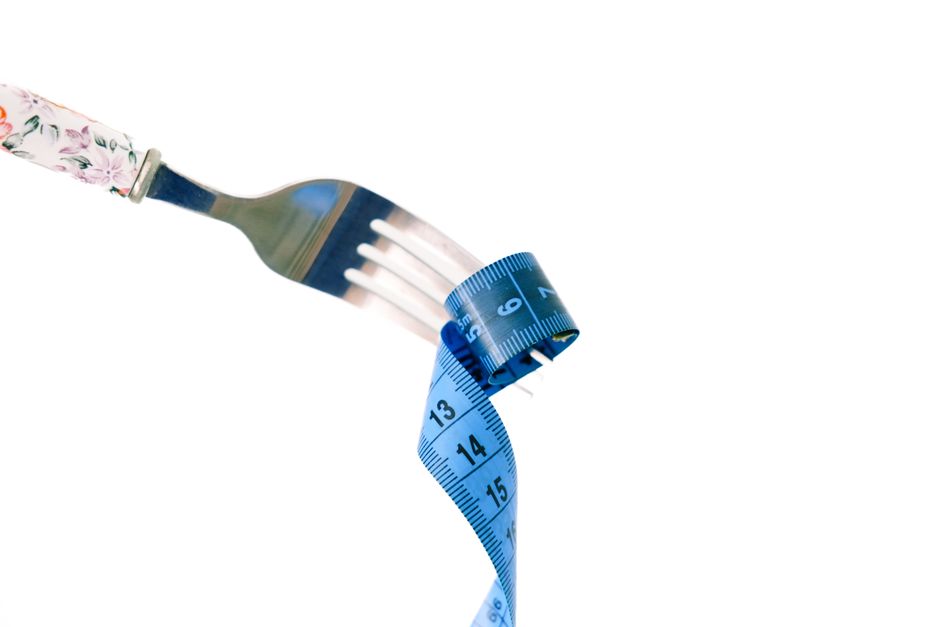
Losing weight can feel like a victory, but many people are surprised to find loose, sagging skin where the fat used to be. This happens because skin stretched over time does not always snap back on its own. How to reduce saggy skin after weight loss depends on several factors, including how much weight you lost, how fast you lost it, your age, your genetics, and how long your skin was stretched. There is no single fix that works for everyone, and no cream or supplement has been proven to reverse significant sagging.
Why Does Skin Sag After Weight Loss?
Skin is not a static covering. It is a living organ made of collagen, elastin, and other proteins that give it strength and elasticity. When you gain weight, your skin stretches to accommodate the extra volume. The fibers in your skin actually change and multiply to cover a larger surface area.
When you lose that weight, the skin no longer has the underlying fat to hold it taut. In some cases, the skin retracts. In others, it does not. Whether it bounces back depends on how much the skin stretched, how long it stayed that way, and the condition of your collagen and elastin fibers.
Age matters here. Collagen production naturally declines with age. Research consistently shows that skin elasticity decreases over time, which means older skin is less likely to retract after significant weight loss. Smoking, sun damage, and poor nutrition can also weaken skin structure over the years.
How fast you lose weight plays a role too. Rapid weight loss, especially from very low-calorie diets or bariatric surgery, often leaves more loose skin than gradual loss. That is because the skin has less time to adapt to the changing shape of your body.
Can Saggy Skin Tighten on Its Own?
Some skin retraction is possible, especially after moderate weight loss. If you lose 10 to 20 pounds over several months, your skin may adjust without much visible sagging. The younger you are and the more elastic your skin, the better your chances.
But after large weight loss, particularly 50 pounds or more, the skin often cannot fully retract. This is not a failure of willpower or effort. It is a physical limitation of stretched tissue.
There is no reliable timeline for how long skin might continue to tighten. Some people see gradual improvement over a year or more. Others see none. The evidence here is limited, and individual results vary widely. No clinical guidelines currently exist that predict exactly how much skin will retract for a given person.
What Actually Helps Reduce Saggy Skin After Weight Loss?
The most reliable way to reduce saggy skin after weight loss is through strategies that support skin health, maintain muscle mass, and in some cases, surgical removal. No topical product has been proven to tighten significantly loose skin on its own.
Strength Training and Muscle Building
Building muscle underneath the skin can improve the appearance of sagging. Muscle fills out the space that fat used to occupy, which can make the skin look firmer and smoother. This does not tighten the skin itself, but it changes the contours of your body in a way that often looks better.
Focus on compound movements that work multiple muscle groups. Squats, deadlifts, push-ups, and rows are good examples. Aim to train major muscle groups at least twice per week. Progressive overload — gradually increasing weight or resistance — is key to building muscle over time.
Nutrition for Skin Health
Your skin needs specific nutrients to maintain its structure. Protein provides the amino acids needed for collagen production. Vitamin C is required for collagen synthesis. Zinc supports skin repair. Omega-3 fatty acids may help maintain skin barrier function.
A diet rich in lean protein, fruits, vegetables, and healthy fats supports overall skin health. But it is important to be clear: no diet has been proven to reverse existing sagging. Nutrition can support your skin’s ability to repair itself, but it cannot rebuild lost elasticity in significantly stretched skin.
Hydration
Drinking enough water supports skin hydration and overall health. Dehydrated skin looks duller and less plump. But hydration alone will not tighten loose skin. It is a supporting factor, not a solution.
Gradual Weight Loss
If you are still in the process of losing weight, losing it slowly may give your skin a better chance to adapt. A common guideline is 1 to 2 pounds per week, though this depends on your starting weight and overall health. Rapid loss is sometimes medically necessary, but when you have a choice, slower is generally better for skin.
-
 Can Loose Skin Be Tightened After Weight Loss? What Experts Say
 -
How to Avoid Sagging Skin with Weight Loss? What Actually Works
-
How to Keep Skin Tight with Weight Loss? What You Need to Know
-
How Do You Lose Loose Skin After Weight Loss? A Closer Look
-
What Is Turmeric Trick For Weight Loss. Lipozem Reviews Of Drink Hack.




Do Creams and Supplements Work for Loose Skin?
No cream or supplement has been proven to tighten significantly loose skin after major weight loss. This is one of the clearest findings in the research. Products that claim to “firm” or “tighten” skin may temporarily plump the surface through hydration, but they do not rebuild collagen or elastin in a way that reverses sagging.
Some creams contain retinoids, which have evidence for improving fine wrinkles and skin texture. But their effect on large areas of loose skin after weight loss is not established. The same applies to collagen supplements. Some studies suggest they may improve skin elasticity slightly, but the evidence is mixed and the effect is small. They have not been shown to tighten loose skin after significant weight loss.
Be cautious of marketing claims. If a product promises to “melt away” sagging skin or “restore elasticity” without surgery, that claim is not supported by clinical evidence.
When Is Surgery the Right Option?
For many people with significant loose skin after major weight loss, surgery is the only option that removes the excess skin itself. Procedures like abdominoplasty (tummy tuck), brachioplasty (arm lift), and thigh lift are designed to cut away extra skin and reshape the underlying tissue.
These are major surgeries with real risks, including scarring, infection, fluid accumulation, and changes in sensation. Recovery can take weeks. They are not a quick fix, and they are not right for everyone.
Surgery is generally considered when:
- You have maintained a stable weight for at least 6 to 12 months
- You have significant loose skin that causes discomfort, hygiene problems, or emotional distress
- You are in good overall health and do not plan to lose more weight
- You understand the risks and are prepared for the recovery
Some clinicians recommend surgery more readily than others. The decision should be made with a board-certified plastic surgeon who can assess your individual situation. Insurance coverage for these procedures varies, and many plans consider them cosmetic rather than medically necessary.
What About Non-Surgical Treatments?
Non-surgical treatments like radiofrequency, ultrasound, and laser therapy are sometimes marketed for skin tightening. These procedures work by heating the deeper layers of skin to stimulate collagen production. Some evidence suggests they can improve skin laxity on the face and neck. But their effectiveness on large areas of loose skin after major weight loss is not well established.
Results from these treatments are typically modest and temporary. They are not a substitute for surgery when significant skin removal is needed. They may be an option for mild sagging or for people who are not candidates for surgery.
What Can You Realistically Expect?
Your outcome depends on factors you can control and factors you cannot. You can control how fast you lose weight, how well you nourish your body, and how much muscle you build. You cannot control your age, your genetics, or how long your skin was stretched.
For some people, skin retracts enough that sagging is minimal. For others, it remains a significant issue that affects daily life. Both outcomes are normal. Neither is a sign of failure.
If you are struggling with loose skin, talk to your doctor. They can help you understand your options and what is realistic for your situation. A referral to a dermatologist or plastic surgeon may be helpful if you are considering procedures.
Frequently Asked Questions
How long does it take for skin to tighten after weight loss?
Some people see gradual improvement over 6 to 12 months, while others see little change. There is no reliable timeline, and results vary widely based on age, genetics, and how much weight was lost.
Can exercise tighten loose skin?
Exercise builds muscle, which can improve the appearance of sagging by filling out the area beneath the skin. It does not tighten the skin itself, but it can make your body look firmer.
Do collagen supplements help with loose skin?
Some studies suggest collagen supplements may slightly improve skin elasticity, but the evidence is mixed and the effect is small. No supplement has been proven to tighten significantly loose skin after major weight loss.
Is surgery the only way to remove loose skin?
For significant loose skin after major weight loss, surgery is the only option that physically removes the excess skin. Non-surgical treatments may help with mild laxity but are not a substitute for surgery in most cases.
