
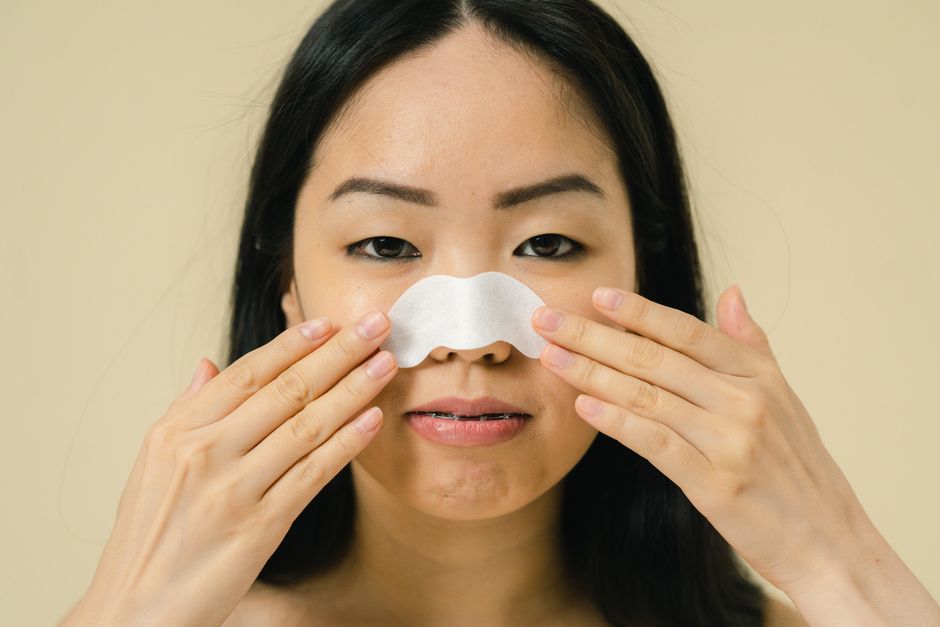
Pores do not open and close like doors. That is the first thing to know. They are not muscles. They have no walls that move. What you see as large pores is mostly genetics, skin thickness, and how much oil your skin makes. You cannot make pores disappear. But you can make them look much smaller. The real question is what actually works and what is just marketing. Here is what the evidence shows about reducing the appearance of pores on your face.
What Causes Large Pores in the First Place?
Genetics is the biggest factor. If your parents had visible pores, you likely will too. Skin type matters. Oily skin produces more sebum. That oil stretches the pore opening over time. Think of it like a balloon that gets inflated repeatedly. The elastic around the opening weakens.
Age makes it worse. Collagen production drops as you get older. Skin loses firmness. Pores have less support around them. They start to look larger even if nothing else changes. Sun damage accelerates this. UV rays break down collagen faster. Current research suggests that consistent sun protection from your 20s onward is one of the most effective ways to prevent pore enlargement later in life.
Clogged pores also look bigger. When dead skin cells and oil mix inside a pore, they stretch it from within. The pore appears larger because it is literally fuller. This is why some treatments work by keeping pores empty rather than actually shrinking them.
Does How To Reduce Pores On Face Actually Work?
Yes and no. You cannot permanently shrink pore size. That is the honest answer. But you can make pores appear smaller for hours, days, or even weeks depending on the method. The goal is not elimination. The goal is visual reduction.
Topical treatments work by addressing the things that make pores look bigger. Retinoids are the most evidence-backed option. They speed up skin cell turnover. This keeps pores from getting clogged. They also stimulate collagen production over months. Thicker skin around the pore opening means the pore looks smaller. Studies have found that consistent use of prescription tretinoin or over-the-counter retinol reduces pore appearance in most people within 8 to 12 weeks.
Niacinamide is another option. Some studies suggest it reduces oil production. Less oil means less stretching of the pore. The effect is modest but real. Salicylic acid works differently. It penetrates into the pore and clears out the buildup. This makes pores look smaller because they are no longer filled with debris.
What Actually Shrinks Pores vs What Just Cleans Them Out
This distinction matters more than most articles admit. Some treatments physically tighten the skin around the pore temporarily. Others just remove the gunk inside. Both make pores look smaller but for different reasons and for different lengths of time.
| Treatment | How It Works | How Long Results Last | Evidence Level |
|---|---|---|---|
| Retinoids (retinol, tretinoin) | Boosts collagen, increases cell turnover | Months with continued use | Strong |
| Salicylic acid | Clears debris from inside pores | Days to weeks | Strong |
| Niacinamide | Reduces oil production | Weeks with consistent use | Moderate |
| Clay masks | Absorbs surface oil temporarily | Hours to a day | Weak |
| Pore strips | Physically pulls out surface debris | Hours | Weak |
| Chemical peels (in-office) | Removes outer skin layers, stimulates collagen | Months | Moderate to strong |
| Laser treatments | Heats deeper skin to stimulate collagen | 6 to 12 months | Moderate |
Clay masks and pore strips give instant results. But they do not change the structure of your skin. The pore looks smaller for a few hours because the surface oil is gone. Then oil returns and the pore looks the same again. Retinoids and lasers actually change the skin structure over time. That is the difference between a quick fix and a real improvement.




What Are the Side Effects of Trying to Reduce Pores?
Most people do not think about side effects when they want smaller pores. But treatments come with trade-offs. Retinoids cause irritation, peeling, and sun sensitivity for the first few weeks. This is normal. It does not mean you are doing damage. But if you start with a high strength product, your skin may become red and flaky to the point where you stop using it. Start low and go slow.
Salicylic acid can dry out skin if overused. Some people react with stinging or redness. Niacinamide is generally well tolerated but can cause flushing in some people at higher concentrations. Chemical peels carry risk of burns, hyperpigmentation, and scarring if done incorrectly or on the wrong skin type. Darker skin tones are at higher risk for post-inflammatory hyperpigmentation from peels and lasers.
Pore strips seem harmless but they can cause broken capillaries if pulled off aggressively. Those tiny red lines on the nose are often from repeated pore strip use. It is not dangerous but it does not go away easily. As of 2026, there is no clinical evidence that pore strips cause permanent damage, but dermatologists generally advise against frequent use for this reason.
What Should You Actually Do to Reduce Pore Appearance?
Start with the basics before spending money on treatments. Sunscreen every day. Not when you go to the beach. Every single day. UV damage weakens collagen around pores. That makes them look bigger over time. Sunscreen is the cheapest long-term solution.
Cleanse twice a day if you have oily skin. Use a gentle cleanser with salicylic acid two to three times per week. Do not scrub hard. Physical scrubbing irritates skin and can make pores look larger due to inflammation. Gentle circular motions with fingertips are enough.
Add a retinol product at night. Start with a low concentration like 0.25 percent. Use it twice a week for two weeks. Then every other night. Then nightly if your skin tolerates it. This takes patience. Results appear around week 8 to 12. Do not expect changes in the first month.
Consider niacinamide in the morning. A 4 to 5 percent concentration is effective without causing irritation for most people. Apply after cleansing and before moisturizer. Moisturizer matters even for oily skin. When skin is dehydrated, it produces more oil to compensate. That extra oil makes pores look larger. A lightweight, oil-free moisturizer helps maintain balance.
- Morning routine: Gentle cleanser, niacinamide serum, lightweight moisturizer, sunscreen SPF 30 or higher
- Evening routine: Cleanser with salicylic acid 2-3 times per week, retinol on clean dry skin, moisturizer
- Weekly: Clay mask on oily areas if desired, but no more than once per week
Common Misconceptions About Pore Reduction
Cold water does not close pores. Pores have no muscles to contract. Splashing cold water on your face temporarily tightens the skin around the pore. It looks smaller for a few minutes. Then your skin warms up and it looks the same. This is a myth that keeps getting repeated because it feels like it works in the moment.
Steaming does not open pores either. Heat softens the material inside pores. That makes it easier to remove blackheads and buildup. But the pore itself does not open wider. The benefit of steaming is purely about loosening debris, not changing pore size.
Baking soda and lemon juice are not pore treatments. They have become popular in DIY skincare. But baking soda has a pH of around 9. Your skin has a pH around 4.5 to 5.5. Applying an alkaline substance to your skin disrupts its protective barrier. Lemon juice is acidic enough to cause chemical burns with repeated use. There is no evidence either reduces pore appearance. There is plenty of evidence they cause irritation.
Pore size does not change based on what you eat. Chocolate and greasy food do not directly cause larger pores. Some people with acne notice a connection to high-glycemic foods. But that is about acne, not pore size. The idea that certain foods instantly make pores bigger has no support in the research.
Frequently Asked Questions
Can pores actually shrink permanently?
No. Pore size is largely determined by genetics and cannot be permanently changed. You can make pores appear smaller through consistent skincare but they will return to their natural size if you stop treatments.
How long does it take for retinol to reduce pore appearance?
Most people see visible improvement after 8 to 12 weeks of consistent use. Results depend on the concentration and how often you apply it.
Do pore strips damage your skin?
Pore strips can cause broken capillaries if used aggressively or too often. Occasional use is generally safe but they only remove surface debris and do not change pore size long term.
What is the most effective treatment for large pores?
Prescription tretinoin has the strongest evidence for reducing pore appearance. It works by increasing collagen production and speeding up skin cell turnover over several months.
