
Waking up with a puffy face is common and usually harmless. The most effective ways to reduce face puffiness include lowering your sodium intake, improving your sleep position, and using a cold compress. For persistent or sudden puffiness, addressing the underlying cause such as allergies or sinus issues is key.
What Causes Face Puffiness?
Face puffiness is usually caused by fluid retention. Your body holds extra fluid in the soft tissues of your face, especially after a salty meal or a night of poor sleep. Gravity pulls fluid downward while you are upright, but when you lie flat, fluid can pool around your eyes and cheeks.
Sodium is a major driver. When you eat more salt than your kidneys can filter, your body holds water to dilute the excess. This can show up as puffiness within hours. Alcohol also promotes dehydration, which makes your body cling to whatever fluid it has — often leading to a puffy face the next morning.
Allergies are another common cause. Histamine release makes blood vessels leak fluid into surrounding tissue. This creates swelling around the eyes and nose. Sinus infections can do the same. Hormonal changes before menstruation or during pregnancy can also trigger fluid retention.
In some cases, medications like steroids or blood pressure drugs can cause facial swelling. And for some people, sleeping face down or on a thick pillow that kinks the neck can block lymphatic drainage, leading to morning puffiness.
How Does Sleep Position Affect Face Puffiness?
Your sleep position directly affects how fluid distributes in your face. When you sleep flat on your back, fluid can accumulate evenly around your head and face because gravity is not pulling it away. But sleeping on your stomach or side can press your face into the pillow, slowing blood flow and lymphatic drainage in that area.
The lymphatic system clears waste and excess fluid from tissues. During sleep, this system remains active but can be less efficient if your head is turned or compressed. Waking up with a creased, puffy face on one side is a common sign.
To reduce this, sleep on your back with your head slightly elevated. Using an extra pillow or a wedge pillow helps gravity keep fluid from pooling in your face. This is a simple change that consistently helps morning puffiness. The effect is immediate — you may notice less puffiness the very next morning.
Can Diet and Hydration Help Reduce Face Puffiness?
Yes, what you eat and drink has a clear effect on facial puffiness. Cutting back on sodium is the most direct dietary step. The Dietary Guidelines for Americans recommend no more than 2,300 mg of sodium per day, but many people consume far more. Processed foods, restaurant meals, and salty snacks are the biggest sources.
Increasing potassium can help counterbalance sodium. Potassium helps your kidneys excrete excess sodium. Foods like bananas, leafy greens, avocados, and potatoes are good sources. But do not rely on potassium supplements without talking to your doctor — too much can be dangerous for people with kidney problems or certain medications.
Drinking enough water is important but not a cure-all. If you are well-hydrated, your body is less likely to hold onto extra water. But drinking excessive water will not flush out puffiness any faster. The goal is consistent hydration throughout the day.
Alcohol and caffeine both affect fluid balance. Alcohol dehydrates you, which can lead to rebound fluid retention the next day. Caffeine is a mild diuretic, but its effect on face puffiness is small. Some people find that cutting back on alcohol in the evening reduces morning puffiness noticeably.





Quick Remedies: How To Reduce Face Puffiness Fast
If you need to look less puffy quickly, several methods can help within minutes to an hour. These work by constricting blood vessels and encouraging lymphatic drainage.
Cold compress. Applying something cold to your face — a cold washcloth, chilled cucumber slices, or a gel eye mask — causes blood vessels to constrict. This reduces fluid leakage into tissues. Keep it on for 10 to 15 minutes. Do not apply ice directly to skin; wrap it in a cloth to avoid frostbite.
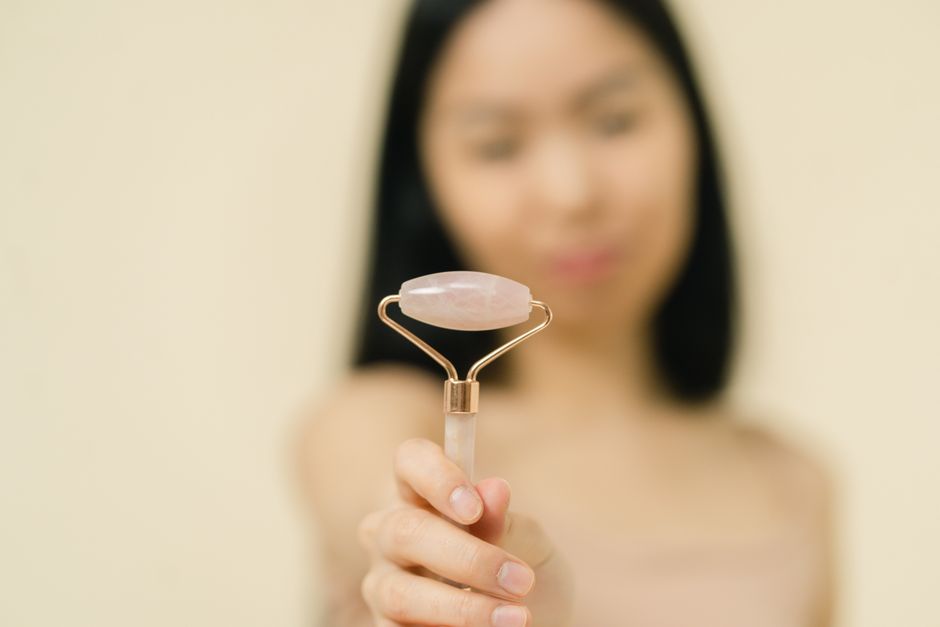
Facial massage. Gentle massage toward your lymph nodes can help move excess fluid out. Use your fingertips or a jade roller. Start at the center of your face and move outward, down the jawline, and toward your collarbone. Use light pressure. Too much pressure can irritate the skin or worsen puffiness.
Gentle exercise. Any activity that gets your blood pumping — a brisk walk, jumping jacks, or jogging in place — increases circulation and encourages lymphatic flow. Within 20 to 30 minutes, you may see reduced puffiness. Exercise also helps flush out extra sodium through sweat.
Elevate your head. If you still have time before you need to be presentable, lie down with your head elevated on two pillows for 10 to 15 minutes. This helps gravity move fluid away from your face.
Green tea bags or caffeinated eye creams. Caffeine in tea or creams can constrict tiny blood vessels when applied topically. Place steeped, cooled tea bags over your eyes for 10 minutes. Some people find this reduces puffiness around the eyes, though clinical evidence for over-the-counter caffeine creams is limited. It may work for some individuals.
When Is Face Puffiness a Sign of Something Serious?
Most face puffiness is temporary and harmless. But there are cases where it signals an underlying medical problem that needs attention. If puffiness comes on suddenly, is severe, or affects only one side of your face (especially if it is painful), seek medical evaluation.
Persistent puffiness that does not improve with lifestyle changes could indicate a thyroid problem. Hypothyroidism — an underactive thyroid — can cause a puffy appearance in the face, especially around the eyes. It is often accompanied by fatigue, weight gain, and cold intolerance.
Kidney disease can also cause facial swelling. When kidneys are not filtering properly, fluid builds up in the body. This usually causes swelling in the legs and around the eyes. A blood test and urine test can check kidney function.
Allergic reactions can cause rapid, marked swelling of the face, lips, tongue, or throat. This is a medical emergency. If you have trouble breathing or feel your throat closing, call 911 immediately.
Other causes include sinus infections (painful puffiness over the cheeks or forehead), dental infections (swelling near the jaw), and autoimmune conditions like lupus or dermatomyositis. A doctor can help determine the cause.
Does Sleeping with Your Head Elevated Really Help?
Yes, this is one of the most effective long-term strategies. Sleeping with your head elevated — using a wedge pillow or an extra pillow — keeps fluid from settling in your face overnight. The effect is cumulative. People who switch to sleeping on their back with elevation often report less morning puffiness within a few nights.
The principle is simple: gravity works for you instead of against you. Lymphatic drainage is more efficient when your head is above your heart. This also helps people who have sinus congestion or allergies, as elevation can reduce nasal stuffiness.
Be aware that using a very thick pillow under your head alone can strain your neck. A wedge pillow that supports your entire upper back is a better option. If you cannot sleep comfortably on your back, try a body pillow to prevent rolling onto your side.
Lifestyle Habits That Prevent Face Puffiness
Beyond diet and sleep, a few daily habits can keep face puffiness from becoming a regular problem.
Limit sodium consistently. Do not just cut back the night before. A steady low-sodium diet keeps your fluid balance stable. Read nutrition labels. Restaurant meals and packaged foods are the main sources of excess sodium.
Stay hydrated during the day. Drink water with meals and between meals. Aim for urine that is light yellow. Dark urine suggests you are dehydrated, which can trigger fluid retention later.
Avoid alcohol before bed. Alcohol disrupts sleep and causes dehydration. If you drink, have at least one glass of water for each alcoholic drink, and stop drinking at least two hours before sleep.
Manage allergies. If you have seasonal allergies, using an antihistamine or a nasal spray before bed can reduce night-time inflammation. Pollen can also settle on your pillowcase, so washing bedding regularly helps.
Exercise regularly. Daily movement promotes circulation and lymphatic drainage. Even 20 minutes of walking helps. Exercise also helps regulate hormones that influence fluid retention.
Update your pillow. If your pillow is thick and your head is bent upward at night, it can restrict lymphatic drainage. A flatter pillow that supports your neck in neutral alignment may help.
Frequently Asked Questions
Does drinking water reduce face puffiness?
Drinking water helps maintain normal fluid balance, but it will not quickly flush out existing puffiness. Consistent hydration supports kidney function and prevents dehydration-driven fluid retention.
How long does it take for face puffiness to go down?
Most morning puffiness resolves within one to two hours after you wake up as you become upright and active. With cold compresses or massage, you can often reduce noticeable puffiness in 10 to 20 minutes.
Is face puffiness caused by weight gain?
Weight gain can make the face appear fuller, but true puffiness is caused by fluid retention, not fat. Fluid shifts quickly — fat does not. If your face looks puffy one day and normal the next, fluid is the cause.
Can allergies cause face puffiness?
Yes. Allergic reactions release histamine, which makes blood vessels leak fluid into facial tissues. This often causes swelling around the eyes, lips, or cheeks. Antihistamines can reduce this type of puffiness.
