
Sweaty feet are annoying, but they are rarely a sign that something is wrong with your health. The fix usually comes down to a few practical habits: washing and drying your feet daily, wearing socks that pull moisture away from skin, rotating your shoes so they dry out between wears, and using an antiperspirant made for feet rather than a deodorant. When those steps are not enough, a doctor can offer stronger treatments, including prescription antiperspirants, iontophoresis, and in some cases botulinum toxin injections. Surgery exists but is reserved for severe cases.
Excessive foot sweating has a medical name: plantar hyperhidrosis. It happens when the sweat glands on the soles of your feet produce more sweat than the body needs for cooling. For many people it runs in families. It is not caused by poor hygiene, and it is not a sign that you are out of shape.
Why Do My Feet Sweat So Much?
Your feet have more sweat glands per square inch than almost anywhere else on your body. Each foot carries roughly 250,000 sweat glands, and they respond to a different signal than the ones on your arms and torso.
Most body sweat is triggered by heat. The sweat glands on your palms and soles respond mostly to emotion and stress instead. That is why your feet can soak through socks on a cold day while the rest of you is comfortable. This type of sweating is controlled by the sympathetic nervous system, the same system behind your fight-or-flight response.
Primary hyperhidrosis means the sweating itself is the condition, with no underlying illness driving it. It usually starts in childhood or the teen years. Secondary hyperhidrosis means another condition is causing the sweating, and it tends to start later in life. Possible causes include thyroid problems, diabetes, menopause, some medications, and rarely certain infections or cancers. A doctor can help sort out which one applies.
Two other factors matter more than most people realize. Shoes that do not breathe trap moisture against the skin. And the bacteria that naturally live on your feet break down sweat into compounds that produce odor. Sweat itself is nearly odorless. The smell comes from that bacterial process.
Everyday Habits That Actually Reduce Foot Sweat
The basics work better than most people expect, but only if you do them consistently. Half-measures tend to fail.
- Wash daily with plain soap and water, then dry completely, including between the toes. Moisture left between toes feeds bacteria and can lead to skin breakdown.
- Change socks at least once a day, and more often if your feet feel damp. Some people with heavy sweating change them two or three times.
- Rotate your shoes. Give each pair a full day to dry before wearing it again. Wearing the same shoes two days in a row keeps them damp inside.
- Choose breathable footwear. Leather and mesh allow air movement. Many synthetic materials and tight-fitting styles trap moisture.
- Go barefoot at home when you can. It lets your feet dry out and reduces the warm, damp environment bacteria prefer.
- Skip the same socks twice. Even socks that feel dry carry bacteria and salt from the day before.
Sock material matters more than most product labels suggest. Cotton feels soft, but it holds moisture against the skin once it gets wet. Wool and synthetic blends designed for moisture management move sweat away from the foot surface and dry faster. If you sweat heavily, this difference is noticeable over a full day.
Foot powders can help by absorbing some surface moisture, but they do not reduce how much you sweat. They are a comfort measure, not a treatment.
Which Antiperspirant Works on Feet?
Antiperspirants reduce sweating. Deodorants do not. This distinction matters because many products sold for feet are deodorants that only address odor.
Antiperspirants work because the active ingredient, usually an aluminum salt, forms a temporary plug at the opening of the sweat gland. That physically blocks sweat from reaching the skin surface. The effect builds with regular use.
For feet, an antiperspirant is usually applied at night, when sweat glands are less active. Apply it to clean, completely dry skin and let it dry before putting on socks. Morning application is less effective because the glands are already active and the product can be washed away by sweat.
Over-the-counter options with aluminum chloride or aluminum chlorohydrate are the usual starting point. Some people find them irritating, especially on broken or sensitive skin. If irritation develops, stop and talk to a doctor or pharmacist.
Prescription-strength antiperspirants contain higher concentrations of aluminum chloride. These are more effective for heavy sweating but also more likely to cause stinging or redness. Doctors often advise applying them at night and washing them off in the morning to reduce irritation.





Medical Treatments for Stubborn Foot Sweat
When antiperspirants and daily habits are not enough, several medical options exist. Response varies from person to person, and no single treatment works for everyone.
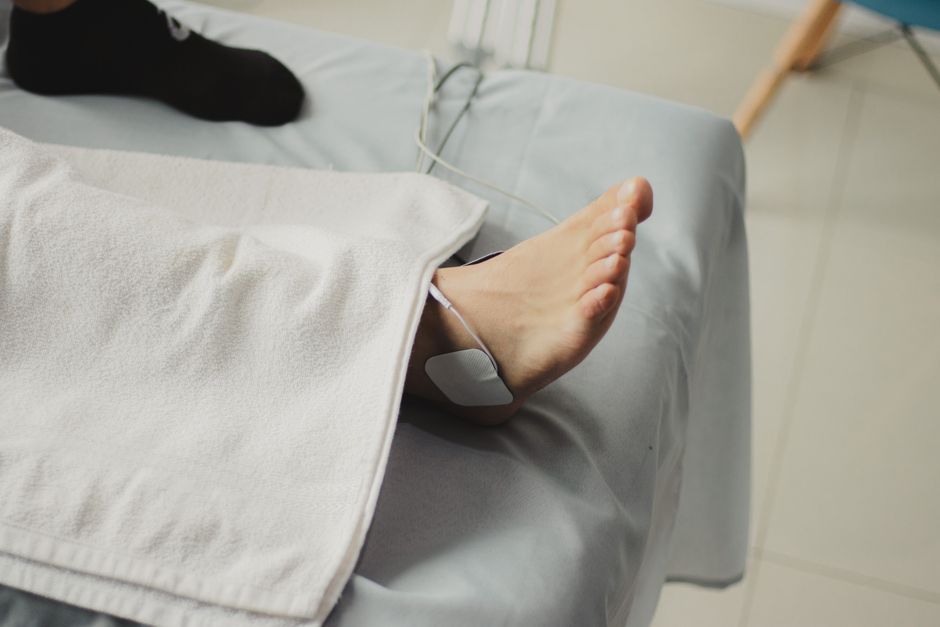
Iontophoresis involves soaking the feet in a shallow tray of water while a mild electrical current passes through. It is typically done at home several times a week at first, then less often for maintenance. The mechanism is not fully understood, but it appears to temporarily block sweat gland function. Some people find it effective. It requires a prescription device and consistent use.
Botulinum toxin injections block the nerve signals that trigger sweat glands. For underarm sweating, this treatment is well established. For feet, it is used by some clinicians but is less studied, and the injections can be uncomfortable on the sole. Effects are temporary and repeat treatments are needed.
Oral medications called anticholinergics reduce sweating throughout the body by blocking the chemical signal that activates sweat glands. They can help, but side effects like dry mouth, blurred vision, and constipation are common. Some clinicians prescribe them for hyperhidrosis, though they are not specifically approved by regulators for this use in every country.
Surgery to cut or remove the sympathetic nerves that control sweating (sympathectomy) is generally reserved for severe cases that have not responded to other treatments. It carries a risk of compensatory sweating, where sweating increases elsewhere on the body, sometimes significantly. This is a serious consideration and should be discussed carefully with a specialist.
The evidence base for these treatments varies. Antiperspirants and iontophoresis have reasonable support for foot sweating. Botulinum toxin has stronger evidence for underarms than for feet. Surgery has the most significant risks and the least predictable outcomes.
When Should You See a Doctor About Sweaty Feet?
See a doctor if the sweating is new, if it started suddenly in adulthood, or if it happens mostly at night while you sleep. Night sweats can point to an underlying condition and should not be ignored.
Also seek medical advice if sweating is accompanied by other symptoms like unexplained weight loss, fever, chest pain, or a racing heartbeat. These can signal thyroid problems, infections, or other conditions that need evaluation.
If your feet sweat enough to interfere with daily life, cause skin problems, or make you avoid shoes or social situations, that is reason enough to ask for help. Plantar hyperhidrosis is a recognized medical condition, and treatment is available.
Some people also develop skin irritation or fungal infections because their feet stay damp. A doctor can treat both the sweating and any related skin issues at the same time.
Can Diet or Supplements Reduce Foot Sweat?
No clinical evidence currently confirms that any specific food, supplement, or herbal product reduces foot sweating. This is an area where marketing runs well ahead of the science.
Spicy foods, caffeine, and alcohol can trigger sweating in some people, but the effect is temporary and varies. Cutting back may help if you notice a pattern, but it is not a treatment for hyperhidrosis.
Some people report improvement with stress management techniques like breathing exercises or meditation. Since emotional stress is a known trigger for palmar and plantar sweating, reducing stress may reduce episodes for some. The evidence for this is limited, and it does not address the underlying overactivity of the sweat glands.
Be cautious with any product claiming to stop foot sweating permanently. No topical product currently available does this. If a claim sounds too strong, it probably is.
Frequently Asked Questions
Does baking soda stop sweaty feet?
Baking soda can absorb surface moisture and reduce odor, but it does not reduce how much you sweat. It is a comfort measure, not a treatment for hyperhidrosis.
Can I use regular underarm antiperspirant on my feet?
Yes, many people use the same antiperspirant on their feet with good results. Apply it at night to clean, dry skin and let it dry before putting on socks.
Is sweaty feet a sign of a health problem?
Often it is not. Primary plantar hyperhidrosis is a condition on its own and is not dangerous. Sweating that starts suddenly in adulthood or happens mainly at night should be checked by a doctor.
How long does it take for antiperspirant to reduce foot sweating?
Most people notice improvement within a few days to a week of consistent nightly use. If there is no change after a couple of weeks, a prescription-strength product or another treatment may be needed.
