
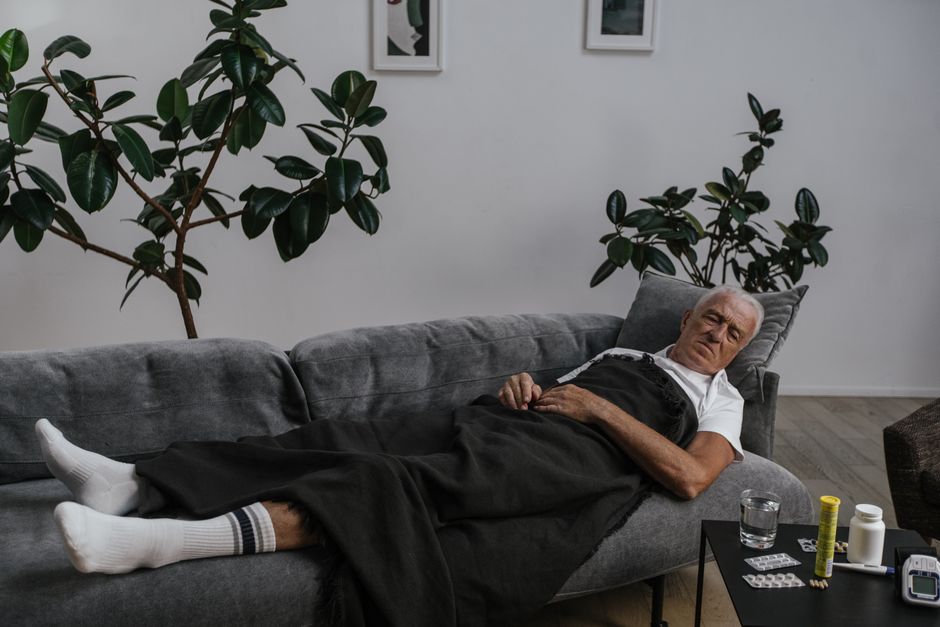
Pneumonia recovery is measured in weeks, not days. Most people who are otherwise healthy and are treated appropriately start to feel noticeably better within three to five days, but the cough and fatigue often linger for a month or longer. Full recovery of lung function can take six weeks or more, and the timeline depends heavily on your age, your overall health, and what caused the infection.
What Actually Happens During Pneumonia Recovery?
Pneumonia is an infection that inflames the air sacs in one or both lungs. Those air sacs, called alveoli, can fill with fluid or pus. That fluid is what causes the cough, the shortness of breath, and the crackling sounds a doctor hears through a stethoscope.
Recovery is not a single event. It happens in overlapping stages. First, the immune system clears the infectious organism. Then the inflammation subsides. Then the fluid is absorbed and the damaged tissue repairs itself. Each stage takes time, and they do not move in a straight line.
One detail people often miss: the cough can get worse before it gets better. As the lungs clear, coughing is how the body moves mucus out. A cough that lingers does not automatically mean the infection is still active or that treatment failed.
How Long Does Pneumonia Recovery Take?
Most people begin to improve within a few days of starting treatment, but the full timeline stretches much longer. The table below reflects general patterns seen in clinical practice for otherwise healthy adults. Individual cases vary widely.
| Stage | Typical Timeline | What You May Notice |
|---|---|---|
| Early improvement | 3 to 5 days after treatment starts | Fever drops, breathing eases, energy starts to return |
| Acute recovery | 1 to 2 weeks | Chest pain and shortness of breath lessen, appetite returns |
| Lingering symptoms | 3 to 6 weeks | Cough and fatigue may persist |
| Full lung recovery | Up to 6 weeks or longer | Breathing and stamina return to baseline |
These ranges are general. Older adults, people with chronic lung disease, and those with weakened immune systems often recover more slowly. Some people feel tired for several months.
What Factors Make Recovery Faster or Slower?
Several things shape how quickly you recover. Age is one of the biggest. Adults over 65 tend to have longer recoveries and higher rates of complications. So do very young children, though their patterns differ from adults.
Underlying health conditions matter a great deal. Chronic obstructive pulmonary disease (COPD), asthma, diabetes, heart disease, and any condition that suppresses the immune system can all slow recovery. Smoking is another major factor. People who smoke generally take longer to heal and are more likely to develop complications.
The type of pneumonia also plays a role. Bacterial pneumonia often responds quickly to antibiotics. Viral pneumonia, including that caused by influenza or coronaviruses, does not respond to antibiotics and may follow a longer, more variable course. Some cases are caused by fungi, which is more common in people with weakened immune systems.
How sick you were at the start matters too. Someone treated at home with oral antibiotics usually recovers faster than someone who needed hospital care or oxygen support.




What Should You Do During Recovery?
Rest is not optional. Your body is repairing tissue and rebuilding strength, and that takes energy. Pushing through fatigue tends to backfire and can prolong recovery.
Stay hydrated. Fluids help thin mucus so it is easier to cough up. Water, broth, and warm drinks are all fine. There is no strong evidence that any specific drink speeds recovery, but dehydration makes mucus thicker and harder to clear.
Take prescribed medications exactly as directed. If you were given antibiotics, finish the full course unless your doctor tells you otherwise. Stopping early can allow the infection to return and can contribute to antibiotic resistance.
Use a humidifier or take steamy showers if coughing is painful. This can loosen mucus. Some clinicians also recommend gentle breathing exercises to help re-expand the lungs, though evidence on how much this speeds recovery is limited.
Do not rush back to intense exercise. Light activity like short walks is generally fine if you feel up to it, but wait until your energy returns before resuming strenuous workouts. Your lungs and body need time to rebuild.
When Should You Be Concerned During Recovery?
Some symptoms during recovery are expected. Others are warning signs that need medical attention.
- Fever that returns after it had gone away
- Breathing that gets worse instead of better
- Chest pain that increases
- Coughing up blood
- Confusion or extreme drowsiness
- Blue tint to lips or fingertips
- Inability to keep fluids down
These signs could indicate a complication such as a lung abscess, empyema (pus in the chest cavity), or sepsis. They warrant prompt evaluation. Do not wait to see if they improve on their own.
It is also worth knowing that a cough lasting several weeks after pneumonia is common and usually not a sign that something is wrong. However, a cough that persists beyond about eight weeks or that gets worse should be checked.
Can Pneumonia Come Back During Recovery?
Yes. Recurrent pneumonia is possible, especially if the underlying cause was not fully treated or if you have ongoing risk factors. Some people develop a second infection because their immune system is still weakened from the first one.
There is also a condition called post-obstructive pneumonia, where a blockage in the airway causes repeated infections in the same spot. This is more common in people with lung tumors or other structural problems. If pneumonia keeps returning in the same area of the lung, doctors usually look for an underlying cause.
Preventing recurrence involves the same steps as preventing any pneumonia: handwashing, staying up to date on vaccines your doctor recommends, managing chronic conditions, and avoiding smoking.
How Can You Lower Your Risk in the Future?
Vaccination is the most effective prevention tool for the types of pneumonia that vaccines target. This includes pneumococcal vaccines and annual influenza vaccination. The flu is a common precursor to bacterial pneumonia, so preventing flu reduces pneumonia risk.
Good hand hygiene reduces the spread of respiratory infections. So does avoiding close contact with people who are sick when possible.
If you smoke, quitting is one of the single most impactful things you can do for your lung health. It lowers your risk of pneumonia and improves your ability to recover if you do get sick.
Managing chronic conditions like diabetes and COPD also matters. Poorly controlled chronic illness weakens the body’s ability to fight infection.
Frequently Asked Questions
How long does it take to fully recover from pneumonia?
Most otherwise healthy adults feel significantly better within one to two weeks, but full recovery of lung function and energy can take six weeks or longer. Older adults and those with chronic conditions often take longer.
Is it normal to still cough weeks after pneumonia?
Yes. A lingering cough for three to six weeks after pneumonia is common and usually reflects the lungs clearing mucus and healing. A cough that lasts beyond eight weeks or gets worse should be evaluated by a doctor.
Can you exercise during pneumonia recovery?
Light activity like short walks is generally fine if you feel up to it, but strenuous exercise should wait until your energy and breathing return to normal. Pushing too hard too soon can prolong recovery.
When can you go back to work after pneumonia?
This varies widely depending on your job, your age, and how severe the infection was. Many people need at least one to two weeks off, and those with physically demanding jobs or severe cases may need longer.
