
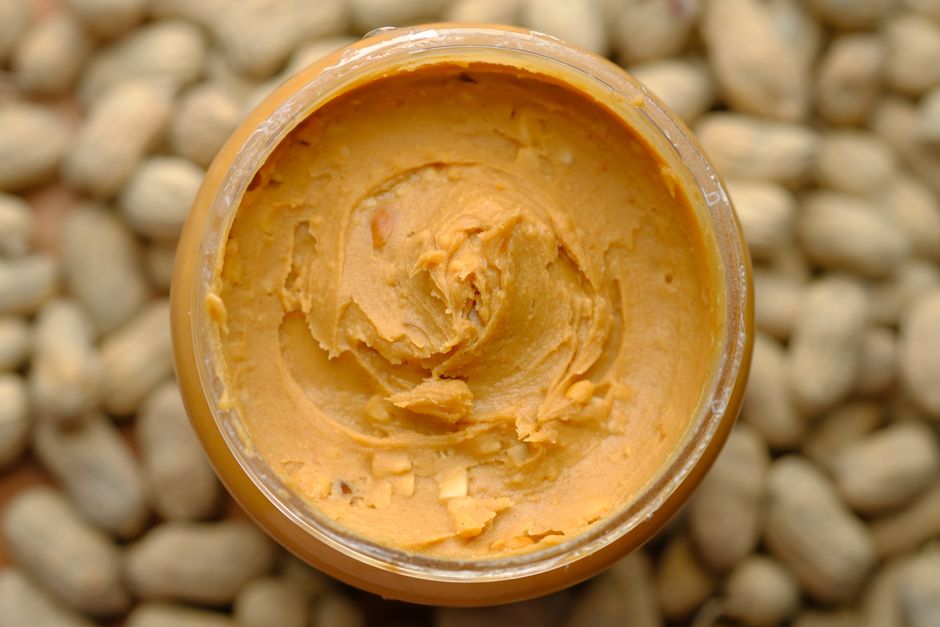
Peanut butter is one of the most calorie-dense foods in the average pantry. A single tablespoon delivers roughly 90 to 100 calories, and it is easy to eat several tablespoons without noticing. That density is why so many people assume peanut butter causes weight gain. The research, though, does not support a simple answer. Studies on peanut and peanut butter consumption have generally not found that eating them leads to weight gain, and some have linked them to lower body weight over time. The catch is that portion size and the type of peanut butter matter a great deal.
Will Peanut Butter Make You Fat What Studies Show
Observational studies have repeatedly found that people who eat nuts and peanut butter tend to weigh less and gain less weight over time than people who rarely eat them. That pattern shows up across large population studies, including long-running research on nurses and health professionals. It sounds backwards at first — a high-calorie food linked to lower weight — but the finding is consistent.
What these studies cannot do is prove cause. People who eat peanut butter may differ from people who do not in ways researchers cannot fully adjust for. They may be more health-conscious overall, more physically active, or eat smaller portions elsewhere. So the honest reading is this: the evidence does not show that peanut butter makes people fat, and some evidence suggests the opposite association. It also does not prove peanut butter causes weight loss.
A few controlled feeding trials have tested peanuts and peanut butter directly. These are stronger than observational studies because researchers control what people eat. In several short trials, adding peanuts or peanut butter to the diet did not produce the weight gain you would predict from the added calories alone. Some participants gained little or no weight. That gap between predicted and actual weight gain is one of the more interesting findings in this area.
Why High-Calorie Peanut Butter Does Not Always Lead to Weight Gain
If you add 300 calories of peanut butter to your day and change nothing else, basic math says you should gain weight. In practice, that math often does not hold. Several things get in the way.
First, peanuts are filling. Fat, protein, and fiber all slow digestion and trigger satiety signals. When people add peanut butter to a meal or snack, they frequently eat less of something else later. This is called compensation, and it is one reason calorie counting on paper does not always match what happens in the body.
Second, not all the calories in peanuts are actually absorbed. Peanut cell walls are tough, and some fat stays locked inside and passes through the digestive tract unabsorbed. Research using controlled diets has estimated that this effect reduces the usable calories from peanuts somewhat, though the exact amount varies.
Third, whole peanuts and chunky peanut butter take more chewing than smooth peanut butter. More chewing tends to increase fullness and may reduce how much you eat afterward. This is a small effect, but it is real.
None of this means calories stop mattering. It means the relationship between peanut butter and body weight is not as simple as the number on the label.
Does Portion Size Matter More Than the Peanut Butter Itself
Portion size is where most of the real-world risk sits. Peanut butter is easy to overeat. A “spoonful” can quietly become three or four tablespoons, which adds up fast.
Here is where the numbers get concrete. One tablespoon of smooth peanut butter is about 90 to 100 calories. Two tablespoons — the standard serving — is roughly 190 calories. Four tablespoons is close to 380 calories, about the same as a small meal. Spread that over toast, a banana, and a smoothie in one day and the total climbs quickly.
The type of peanut butter also matters. Regular peanut butter often contains added sugar, palm oil, and salt. Natural peanut butter is usually just peanuts and salt, sometimes only peanuts. The calorie difference between them is modest, but the added sugar in some brands can nudge you to eat more. Reading the ingredient list is more useful than reading the front of the jar.
| Peanut Butter Type | Typical Calories per 2 Tbsp | Common Added Ingredients |
|---|---|---|
| Regular smooth | About 190 | Sugar, palm oil, salt |
| Natural (peanuts + salt) | About 190 | Salt |
| Natural (peanuts only) | About 190 | None |
| Powdered peanut butter | About 50 | Sometimes sugar, salt |
Powdered peanut butter is worth a mention. It is made by pressing out most of the oil, which cuts the calories sharply. It does not taste like regular peanut butter, but for people watching calories it is a genuine option. It is a different product, not a replacement for the real thing.



Can Peanut Butter Fit Into a Weight-Loss Diet
Yes, in most cases it can. Peanut butter provides protein, fiber, unsaturated fat, vitamin E, magnesium, and potassium. Those are real nutritional assets. The question is how it fits, not whether it can.
A few practical points help:
- Measure it. A tablespoon is smaller than most people think. Using a measuring spoon for a week is eye-opening.
- Pair it with something bulky. Peanut butter on apple slices or celery fills you up more than peanut butter on white bread.
- Watch liquid calories. Peanut butter in smoothies and shakes is easy to overdo because it does not feel like eating.
- Check the label. Some “peanut butter spreads” contain more sugar and oil than peanuts.
None of this is a rule. It is the difference between peanut butter as a food and peanut butter as a habit that quietly adds hundreds of calories a day.
What About Peanut Butter and Weight Gain for Muscle or Health
Some people want to gain weight, not lose it. Athletes, people recovering from illness, and older adults at risk of unintentional weight loss sometimes use peanut butter deliberately because it is calorie-dense and easy to eat. In those situations, peanut butter is a practical tool. It adds calories without requiring a large volume of food.
For older adults, unintentional weight loss is a real concern, and calorie-dense foods like peanut butter can help maintain weight when appetite is low. This is a different goal from weight loss, and the same food serves both depending on how it is used.
One caution: peanut butter is a common allergen. For people with a peanut allergy, it is not a food to consider at all. For everyone else, allergy is not a concern.
Does the Evidence Prove Peanut Butter Is Safe for Weight Control
No. The evidence is encouraging but not conclusive. Most of what we know comes from observational studies, which show an association between peanut consumption and lower body weight, not proof of cause. The controlled trials that exist are mostly short and small. They suggest peanut butter does not cause the weight gain you would expect from its calories, but they do not prove it helps with weight loss either.
The most accurate summary is this: peanut butter is a nutritious, calorie-dense food. Whether it affects your weight depends far more on how much you eat, what else you eat, and your overall activity level than on peanut butter itself. There is no strong evidence that peanut butter makes people fat on its own. There is also no strong evidence that it causes weight loss.
Frequently Asked Questions
Does peanut butter make you gain weight?
Studies have not found that peanut butter causes weight gain on its own. Large observational studies actually link regular peanut and nut consumption to lower body weight over time, though these studies cannot prove cause.
How many calories are in a tablespoon of peanut butter?
One tablespoon of smooth peanut butter contains roughly 90 to 100 calories. A standard two-tablespoon serving is about 190 calories.
Is natural peanut butter better for weight loss than regular?
Natural and regular peanut butter have similar calorie counts, so the difference for weight is small. Natural versions often have less added sugar and fewer added oils, which some people prefer.
Can I eat peanut butter every day and still lose weight?
Yes, if the total calories you eat stay below what you burn. Peanut butter is filling and nutritious, but it is calorie-dense, so portion size is the main thing to watch.
