
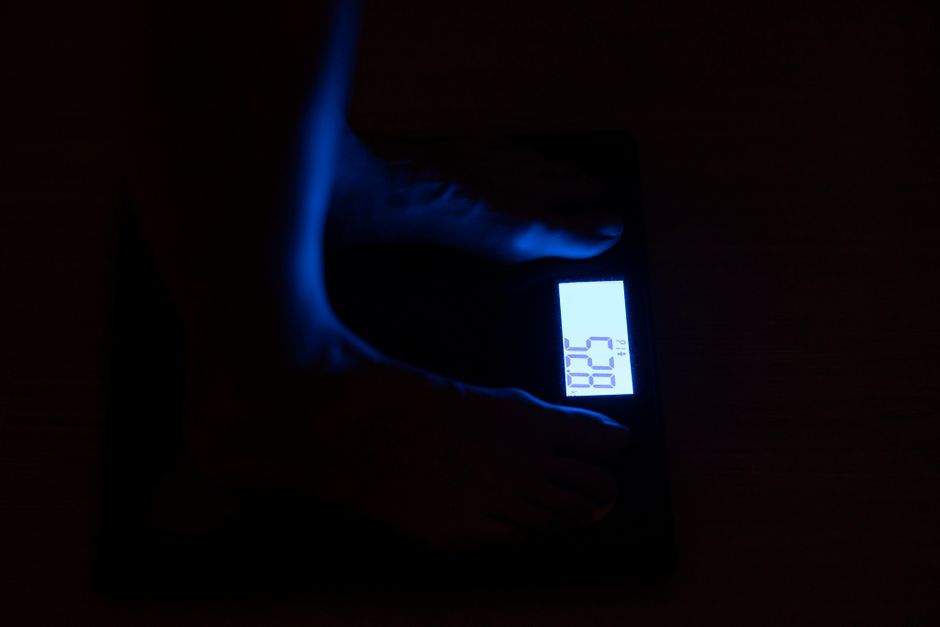
A Renpho smart scale gives you a lot more than just weight. It sends dozens of numbers to your phone, and knowing what they mean helps you see the full picture of your health. The main thing to understand is that the scale measures body composition — how much of your body is fat, muscle, water, and bone — not just total mass. Weight alone cannot tell you if you are losing fat or muscle, so these extra metrics matter more than most people realize.
What Do the Core Body Metrics Mean?
Your Renpho app displays several key numbers every time you step on the scale. Weight is the simplest one. It is your total mass, including bones, organs, muscle, fat, and water. This number changes daily due to fluid shifts, meal timing, and even the time of day you weigh yourself.
Body fat percentage is the portion of your total weight that is fat. This is a more useful number than weight alone because it tells you whether your weight loss is coming from fat or muscle. The scale estimates this using bioelectrical impedance analysis, which sends a very low electrical current through your body and measures how it travels through different tissues.
Muscle mass is the estimated weight of your skeletal muscle. Skeletal muscle is the muscle you use for movement and strength. Higher muscle mass generally supports a faster metabolism and better physical function. The scale separates this from organ weight and body fat in its calculation.
How Does the Scale Actually Measure These Numbers?
Renpho scales use bioelectrical impedance analysis, often called BIA. When you stand barefoot on the metal pads, a tiny electrical signal travels up one leg, through your pelvis and torso, and down the other leg. Muscle contains more water and conducts electricity better than fat, which resists the signal more.
The scale measures this resistance and uses an algorithm to estimate your body composition. These algorithms are based on population averages and your personal data, including age, height, and gender. This is why you enter that information when you first set up the app.
The important limitation is that BIA is an estimate, not a direct measurement. Methods like DEXA scans or hydrostatic weighing are more accurate, but they are also more expensive and not practical for home use. Most home scales are reasonably consistent, meaning they track changes well over time, even if the absolute numbers are slightly off.
How To Read Renpho Scale Results Metrics Explained
To read your Renpho results correctly, you need to understand each metric in context. The app color-codes each measurement as low, normal, high, or very high based on your age and gender. This coloring is a quick reference, but it is not a medical diagnosis.
Look at trends rather than single-day values. Weight can fluctuate 2-4 pounds in a single day due to water, salt intake, and carbohydrate consumption. Body fat percentage changes more slowly, so weekly or monthly averages are far more meaningful than daily readings.
For most people, the most useful pattern to watch is body fat percentage trending down while muscle mass stays stable or increases. If the scale shows weight dropping but muscle mass falling with it, your diet may be too aggressive or you may not be getting enough protein.





What Are the Less Common Metrics on the App?
Beyond weight, body fat, and muscle, Renpho reports several other numbers. Body water percentage estimates the fluid in your body. This typically ranges from 45-60 percent of body weight in adults. It fluctuates with hydration, illness, and the menstrual cycle in women.
Bone mass is an estimate of the mineral content in your bones. This number changes very slowly and is not a diagnostic tool for osteoporosis. If you are concerned about bone density, you need a DEXA scan, not a bathroom scale.
Visceral fat rating is a score from 1 to 59 that estimates the fat surrounding your internal organs. High visceral fat is linked to cardiovascular disease and metabolic problems. A rating below 12 is generally considered healthy, but this scale provides an estimate, not a medical measurement.
Basal metabolic rate, or BMR, is the estimated calories your body burns at complete rest. The scale calculates this from your muscle mass, age, and other factors. This number is a reasonable starting point for understanding your daily calorie needs, but it is not precise enough to build a strict meal plan around.
Metabolic age compares your BMR to the average BMR for your chronological age group. If your metabolic age is lower than your actual age, it suggests your body composition is better than average for your age. This is a motivational metric rather than a clinical one.
Why Do the Numbers Vary Between Measurements?
Several factors affect your readings from one day to the next. Hydration status is the biggest one. Since BIA measures how electricity travels through water, drinking more or less water changes your results. Weighing yourself after exercise, after a meal, or after drinking a large glass of water will give different numbers.
Time of day matters too. Morning readings are usually the most consistent because you are fasted and hydrated at a stable level. The position of your feet on the pads also affects the reading. Always stand with your feet centered on the metal strips, not on the plastic edges.
For the most reliable tracking, weigh yourself at the same time each day, ideally in the morning after using the bathroom and before eating or drinking. Even with this routine, expect small day-to-day variations. The trend over several weeks is what matters.
What Does the Scale Not Tell You?
A Renpho scale cannot diagnose any medical condition. It cannot detect osteoporosis, heart disease, or diabetes. The body fat percentage it reports is an estimate that can be off by several percentage points compared to clinical methods. For some people, especially athletes or those with extreme body types, the error can be larger.
The scale also cannot tell you where your fat is distributed beyond the visceral fat rating. Subcutaneous fat under the skin and visceral fat around organs have different health implications, and the scale only gives you a rough estimate of the visceral component.
Muscle mass estimates are similarly imprecise. The scale cannot distinguish between muscle, connective tissue, and other lean mass. If you are actively strength training, you may see muscle mass increase over time, but the numbers are not exact.
No clinical guidelines exist for interpreting home scale metrics as medical measurements. These devices are designed for tracking trends, not for making health decisions. If you have specific health concerns, discuss them with your doctor rather than relying on scale data alone.
How To Use the Data Without Overthinking It
The most practical approach is to pick two or three metrics that matter to your goals and track those. If you are trying to lose fat, watch body fat percentage and weight. If you are trying to build muscle, watch muscle mass and weight. Ignore the rest of the numbers most of the time.
Do not chase daily changes. The scale is a tool for spotting patterns over weeks and months. A single high reading after a salty meal is not a setback. A single low reading after a hard workout is not a victory.
Remember that the scale measures quantity, not quality. Two people at the same weight and body fat percentage can have very different health profiles. Use the Renpho data as one source of information alongside how you feel, how you perform physically, and what your doctor tells you.
Frequently Asked Questions
Why is my Renpho scale body fat percentage different from my gym scale?
Different scales use different algorithms and sometimes different measurement methods, so results vary between brands. The numbers are estimates, and consistency with one device matters more than matching another device.
How often should I weigh myself on a Renpho scale?
Daily weighing is fine if you focus on weekly or monthly averages rather than single-day readings. Morning weigh-ins before eating or drinking give the most consistent results.
Is Renpho scale body fat percentage accurate?
It is a reasonable estimate but not highly precise, with potential error of several percentage points compared to clinical methods. It is best used for tracking trends over time rather than as an exact measurement.
Can a Renpho scale detect medical conditions like osteoporosis?
No. The scale provides estimates of bone mass and body composition but cannot diagnose any medical condition. You need clinical testing like a DEXA scan for bone density concerns.
