
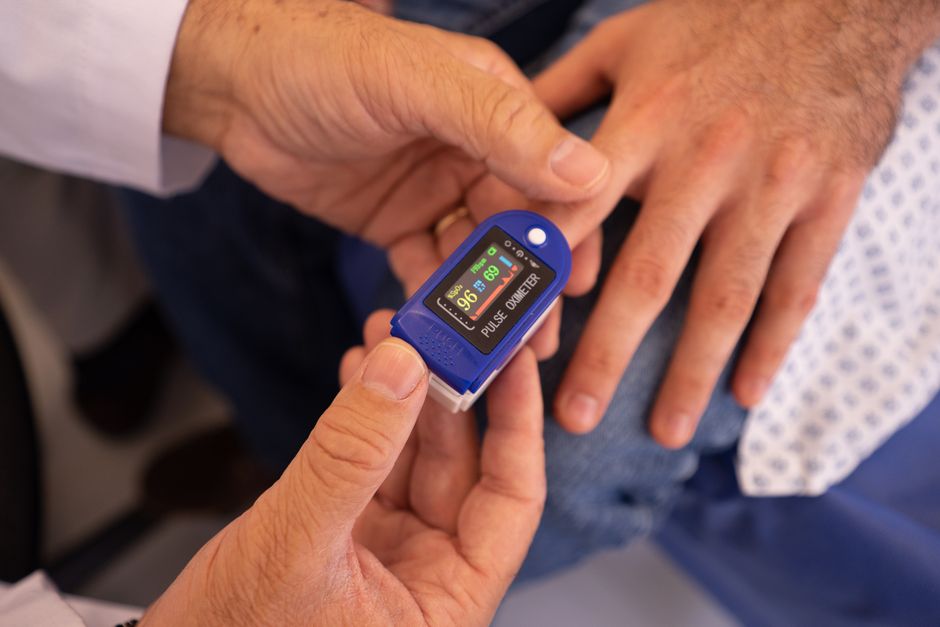
A pulse oximeter shows three main readings: oxygen saturation (SpO2), pulse rate, and sometimes a plethysmographic waveform. To read it correctly, check the SpO2 number first, then the pulse rate, and use the waveform to confirm the device is getting a good signal. Each reading tells you something different about your oxygen levels and heart function, and knowing how to interpret all three helps you use the device properly at home.
What Are the 3 Readings on a Pulse Oximeter?
Most home pulse oximeters display three pieces of information on the screen. The first is SpO2, which stands for peripheral capillary oxygen saturation. This number shows the percentage of hemoglobin in your blood that is carrying oxygen. A healthy reading is typically 95% or higher for most people.
The second reading is pulse rate, often labeled PR or HR. This measures your heart rate in beats per minute. A normal resting pulse rate for adults ranges from 60 to 100 beats per minute, though athletes and some healthy individuals may fall below that range.
The third reading is the plethysmographic waveform, sometimes called the pleth wave. This appears as a small bar graph or line that pulses with each heartbeat. It is not a number, but it is critically important. The waveform tells you whether the device is detecting a good pulse signal. If the waveform is smooth and consistent, the readings are likely trustworthy. If it is erratic or flat, the numbers may be inaccurate.
Some models also display a perfusion index, which measures blood flow to the fingertip. Not all home devices include this, and it is not one of the three standard readings you need to interpret.
How To Read SpO2: The Oxygen Saturation Number
The SpO2 number is the reading most people care about. It tells you what percentage of your red blood cells are saturated with oxygen. This is a direct reflection of how well your lungs are moving oxygen into your blood and how well your heart is circulating it.
For healthy adults at sea level, a normal SpO2 reading is 95% to 100%. Readings between 91% and 94% may be acceptable for some people with chronic lung conditions, but they warrant attention. A reading of 90% or below is considered low and requires medical evaluation.
Here is how to interpret your SpO2 reading:
- 95-100%: Normal oxygen saturation for most healthy people
- 91-94%: Borderline low; monitor closely and consider contacting a healthcare provider
- 90% or below: Low oxygen level; seek medical attention promptly
These thresholds apply to healthy adults. People with chronic obstructive pulmonary disease (COPD), heart failure, or other conditions may have different baseline oxygen levels. Your doctor can tell you what target range is appropriate for your specific situation.
One common mistake is taking a single reading as definitive. Oxygen saturation fluctuates throughout the day. A single low reading should be confirmed with repeated measurements over several minutes. If you are checking because you feel unwell, take readings a few times over 10 to 15 minutes before drawing conclusions.
How To Read Pulse Rate on a Pulse Oximeter
The pulse rate reading on a pulse oximeter is the same as your heart rate. It counts how many times your heart beats per minute. The device calculates this by detecting the pulsatile flow of blood through your fingertip.
A normal resting heart rate for adults is 60 to 100 beats per minute. However, this range is not absolute. Well-conditioned athletes often have resting heart rates in the 40s or 50s, which is normal for them. Your normal pulse rate may also differ from someone else’s based on age, fitness level, and medications.
Some medications, including beta-blockers, can lower your resting heart rate. Others, such as certain asthma medications or thyroid treatments, can raise it. If you take medication that affects your heart rate, your baseline may fall outside the standard range.
When reading the pulse rate, compare it to what you know about your normal resting heart rate. If your pulse is significantly faster or slower than usual and you feel symptoms like dizziness, chest pain, or shortness of breath, that is a reason to seek medical care.
It is worth noting that the pulse rate on a pulse oximeter is not a substitute for a full heart monitor. It detects the pulse from blood flow, not the electrical activity of your heart. Certain heart rhythm problems may not be accurately reflected by this reading.



How To Read the Plethysmographic Waveform
The plethysmographic waveform is the most overlooked reading on a pulse oximeter, and it is often the most important for accuracy. This waveform is a visual representation of blood volume changes in your fingertip with each heartbeat. It appears as a series of peaks and valleys that correspond to your pulse.
A strong, consistent waveform means the device is picking up a clear signal from blood flowing through your finger. When the waveform is steady, the SpO2 and pulse rate readings are generally reliable.
A weak or erratic waveform means the signal is poor. This can happen for several reasons:
- Cold hands or poor circulation
- Nail polish or artificial nails blocking the sensor
- Moving your hand during the reading
- The sensor being too loose or too tight
- Low blood pressure or dehydration
If the waveform is not smooth and consistent, the SpO2 and pulse rate numbers on the screen may not be accurate. The device is essentially guessing based on a weak signal. Fix the underlying issue — warm your hands, remove nail polish, sit still — and retake the reading.
On many home devices, the waveform appears as a small bar graph that rises and falls with each heartbeat. On more advanced models, it looks like a continuous line. Either way, the principle is the same: a clean, regular waveform means a trustworthy reading.
How To Read A Pulse Oximeter All 3 Readings Together
Reading all three values together gives you the full picture. Start by looking at the waveform. If it is strong and regular, move on to the SpO2 and pulse rate. If the waveform is poor, the other numbers may not be reliable.
Consider a scenario: your SpO2 reads 93% and your pulse rate reads 110 beats per minute. The waveform is strong and consistent. This combination suggests your heart is working harder to deliver oxygen, which could indicate a respiratory issue, fever, or dehydration. The low oxygen and elevated heart rate together are more concerning than either reading alone.
Now consider a different scenario: your SpO2 reads 93%, but your pulse rate is 70 and the waveform is weak. The weak waveform suggests the oxygen reading may be inaccurate. Warming your hands and retaking the measurement might produce a normal SpO2 reading.
When readings conflict, trust the waveform. It tells you whether the device is working properly. If the waveform is good and the numbers are abnormal, take the numbers seriously. If the waveform is poor, correct the signal issue before trusting any number on the screen.
Common Mistakes When Using a Pulse Oximeter
Several common errors produce misleading readings. Knowing these can help you avoid false alarms or missed problems.
Nail polish and artificial nails interfere with the sensor. Dark colors like red, black, and blue are the worst offenders. Remove nail polish from at least one finger before taking a reading, or use a toe if you cannot remove it.
Cold hands reduce blood flow to the fingertips, which weakens the signal. Warm your hands before measuring. Run them under warm water or rub them together for a minute.
Movement is another common problem. The device detects pulsatile blood flow, and movement creates motion artifacts that confuse the sensor. Sit still with your hand resting on a flat surface during the measurement.
Poor sensor placement also causes issues. The sensor should fit snugly but not tightly. It should align so the light passes through the fingertip properly. The fingernail should face upward on most models.
Taking a reading immediately after exercise or after drinking caffeine can also produce temporary changes in both oxygen saturation and pulse rate. Wait a few minutes to settle before measuring.
When To Trust the Reading and When To Seek Help
A pulse oximeter is a useful screening tool, but it is not a diagnostic device. It measures oxygen saturation in your peripheral blood, which may lag behind what is happening in your vital organs. A normal reading does not rule out serious illness, and a low reading does not always mean you need emergency care.
If your SpO2 reading is consistently below 90% at rest, that is a medical concern. Contact your healthcare provider or seek urgent care. If you have symptoms like severe shortness of breath, chest pain, confusion, or bluish lips or fingernails, do not wait for a low reading — seek emergency care immediately.
For people with chronic conditions like COPD or heart failure, your doctor may have given you specific target ranges and instructions. Follow those instructions rather than general thresholds. Some patients with chronic lung disease function normally at oxygen levels that would be alarming for a healthy person.
If you are using a pulse oximeter to monitor a respiratory infection or a chronic condition, keep a log of your readings. Note the date, time, SpO2, pulse rate, and whether the waveform was strong or weak. This information helps your doctor see trends rather than isolated numbers.
Frequently Asked Questions
What is a normal SpO2 reading on a pulse oximeter?
A normal SpO2 reading is 95% to 100% for most healthy adults at sea level. Readings below 90% require prompt medical attention.
Why does my pulse oximeter show different readings on different fingers?
Blood flow varies slightly between fingers, and differences in skin thickness, temperature, or sensor placement can affect the reading. A difference of 1-2% between fingers is usually not concerning, but a weak waveform on one finger means that reading may be inaccurate.
Can nail polish affect pulse oximeter readings?
Yes, dark nail polish and artificial nails can interfere with the light sensor and produce inaccurate readings. Remove polish from at least one finger before measuring, or measure on a toe.
How long should I keep my finger in a pulse oximeter?
Keep your finger still in the device for about 30 to 60 seconds, or until the waveform is steady and the numbers stop changing. A stable reading that does not fluctuate for several seconds is the most reliable.
