
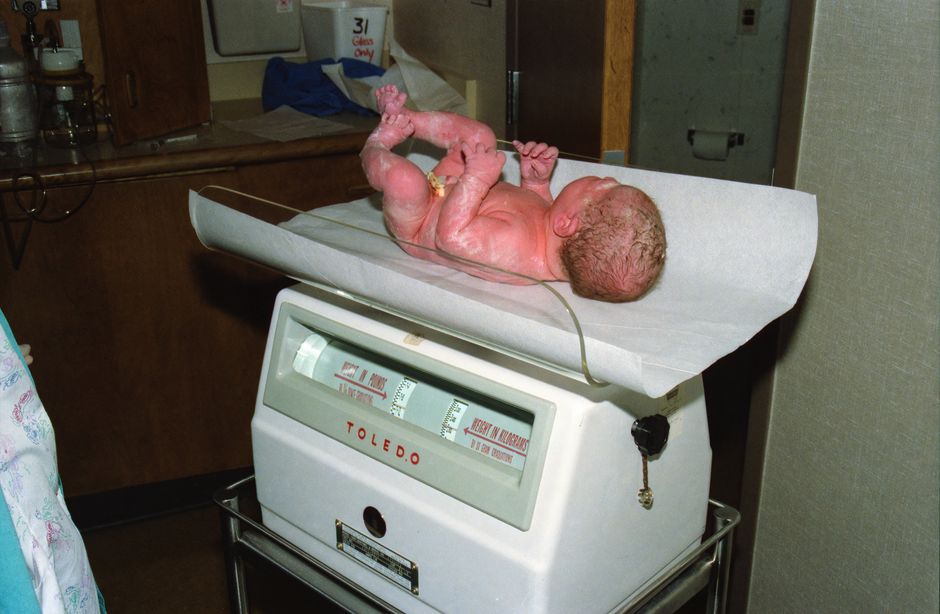
Low birth weight means a baby is born weighing less than 5 pounds, 8 ounces (2,500 grams). It is a serious health concern because these babies often face more challenges with feeding, fighting infection, and staying warm. The most powerful steps you can take to prevent low birth weight are to attend all prenatal appointments, eat a balanced diet, gain the recommended amount of weight, and avoid smoking, alcohol, and drugs completely. Managing existing health conditions like high blood pressure and diabetes before and during pregnancy is also essential for giving your baby the best chance to grow fully before birth.
What Causes Low Birth Weight?
Two main things lead to low birth weight. A baby can be born too early, called preterm birth, which means before 37 weeks of pregnancy. Or a baby can be growth-restricted, meaning they do not grow at the expected rate inside the womb even if they are born close to their due date.
Sometimes both factors are present. The causes are not always clear, but several well-documented risk factors increase the chance. These include smoking, drinking alcohol, using drugs, poor nutrition, and infections during pregnancy. Chronic conditions like high blood pressure, kidney disease, and diabetes also play a significant role.
Your age matters too. Women under 17 and over 35 have a higher risk. Carrying multiples, such as twins or triplets, naturally increases the risk because the babies share space and nutrients. A history of a previous low birth weight baby also raises the risk in future pregnancies.
How To Prevent A Low Birth Weight Baby During Pregnancy
Prevention starts with prenatal care. The American College of Obstetricians and Gynecologists recommends seeing your healthcare provider before you conceive if possible. This is called a preconception visit. At this visit, your doctor can check your overall health, adjust medications, and help you manage chronic conditions before pregnancy begins.
Once pregnant, schedule your first prenatal visit as soon as you know you are pregnant. Regular visits allow your provider to track your baby’s growth with ultrasound and measure your weight gain. These checkpoints catch problems early when intervention is most effective.
Your healthcare team can also screen for conditions that threaten fetal growth. Urine tests check for protein, which can signal preeclampsia, a dangerous blood pressure disorder. Blood tests screen for anemia and infections. Treating these conditions early reduces the risk of growth restriction.
Nutrition and Weight Gain During Pregnancy
Your baby depends entirely on you for nutrients. A diet lacking in calories, protein, and essential vitamins can restrict fetal growth. Focus on whole foods: lean proteins, whole grains, fruits, vegetables, and dairy. These provide the building blocks for your baby’s developing organs and tissues.
Two nutrients deserve special attention. Folic acid prevents neural tube defects and supports rapid cell division. Take 400 to 800 micrograms daily before and during early pregnancy. Iron prevents anemia, which limits oxygen delivery to your baby. Your provider may recommend an iron supplement if your blood tests show low levels.
Weight gain is not one-size-fits-all. The Institute of Medicine publishes guidelines based on your pre-pregnancy body mass index (BMI). A woman with a normal BMI should gain 25 to 35 pounds. Underweight women need more, 28 to 40 pounds. Overweight women should gain 15 to 25 pounds, and obese women 11 to 20 pounds.
Gaining too little weight is directly linked to low birth weight. If you struggle with nausea or have trouble eating, talk to your provider. They can recommend strategies or refer you to a nutritionist.





Substances That Harm Fetal Growth
Smoking is the single most preventable cause of low birth weight. Cigarette smoke contains carbon monoxide and nicotine, both of which constrict blood vessels and reduce oxygen flow to the placenta. Babies of smokers weigh on average 200 grams less than babies of non-smokers. Quitting at any point in pregnancy helps, but quitting early provides the most benefit.
Alcohol crosses the placenta directly into the baby’s bloodstream. No amount of alcohol is known to be safe during pregnancy. Drinking can cause fetal alcohol spectrum disorders, which include growth restriction and developmental delays. Stop drinking completely as soon as you know you are pregnant, ideally before conception.
Illicit drugs like cocaine and methamphetamine cause blood vessels to narrow, sharply reducing blood flow to the placenta. This directly impairs fetal growth. Marijuana use during pregnancy is also associated with lower birth weight in some studies. Prescription medications should be reviewed with your doctor, as some interfere with fetal development.
Caffeine deserves mention. Moderate caffeine intake, under 200 milligrams daily, appears safe. That is roughly one 12-ounce cup of coffee. High intake has been linked to lower birth weight in some research, so limiting intake is a reasonable precaution.
Managing Chronic Health Conditions
High blood pressure before pregnancy or during it can restrict blood flow through the placenta. This limits the oxygen and nutrients reaching your baby. If you have hypertension, work with your provider to keep your blood pressure in a safe range. Some blood pressure medications are safe in pregnancy, while others are not. Never stop a prescribed medication without medical guidance.
Diabetes, whether pre-existing or gestational, affects how your body uses sugar. Poorly controlled blood sugar can lead to a large baby or, in some cases, growth restriction when placental blood vessels are damaged. Tight glucose control through diet, monitoring, and medication when needed reduces these risks.
Autoimmune diseases like lupus and antiphospholipid syndrome increase the risk of placental insufficiency. Women with these conditions often need care from a maternal-fetal medicine specialist, a doctor who manages high-risk pregnancies. They may recommend medications like low-dose aspirin to improve placental blood flow.
Infections That Threaten Fetal Growth
Certain infections directly harm the placenta or the baby. Urinary tract infections, if untreated, can trigger preterm labor. Report any burning with urination, pelvic pressure, or unusual discharge to your provider promptly.
Other infections like cytomegalovirus, toxoplasmosis, and sexually transmitted infections can cross the placenta and impair growth. Regular prenatal screening catches many of these early. Practice good hygiene, wash fruits and vegetables, and avoid handling cat litter, which can carry toxoplasmosis.
Vaccination during pregnancy protects both you and your baby. The flu shot and Tdap vaccine are recommended during every pregnancy. These infections can cause severe illness that stresses the pregnancy and increases preterm birth risk.
When To Seek Immediate Medical Attention
Some symptoms require urgent evaluation. Call your provider immediately if you experience vaginal bleeding, fluid leaking, persistent abdominal pain, severe headaches, vision changes, or a sudden decrease in your baby’s movements. These can signal complications like placental abruption or preeclampsia that threaten fetal growth and survival.
Regular fetal movement counting in the third trimester helps you notice changes. Most babies have a pattern. If you notice fewer movements than usual, contact your provider rather than waiting for your next appointment. Early detection of problems gives your medical team the best chance to intervene and potentially delay delivery until your baby is stronger.
Frequently Asked Questions
Can stress cause low birth weight?
High levels of chronic stress may increase the risk, but the evidence is not conclusive. Managing stress through support systems, adequate sleep, and gentle activity is beneficial for overall pregnancy health.
What week is a baby no longer considered low birth weight?
Low birth weight is defined by weight, not week of pregnancy. A baby is classified as low birth weight if they weigh under 5 pounds, 8 ounces at birth, regardless of gestational age.
Does bed rest prevent low birth weight?
Bed rest has not been proven to prevent low birth weight or preterm birth in clinical studies. Some providers still recommend reduced activity for specific complications, but you should follow your individual care plan.
Can a low birth weight baby catch up in growth?
Many low birth weight babies show catch-up growth in the first two years of life. Long-term outcomes depend on the cause of the low birth weight and the quality of medical and nutritional care afterward.
