
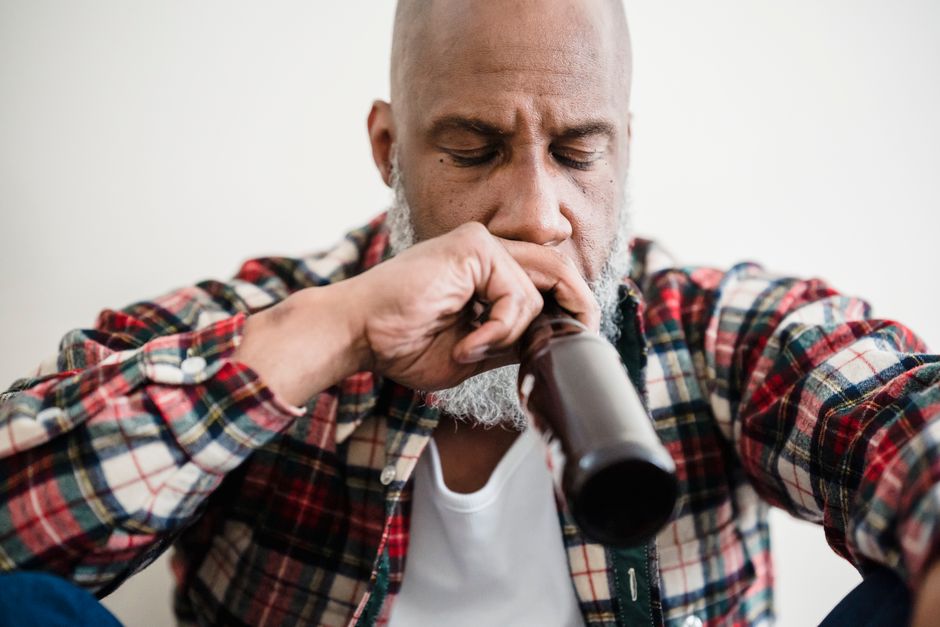
Alcohol is a toxin that affects nearly every organ in your body, and its health risks range from immediate injuries to long-term chronic disease. Heavy drinking damages the liver, heart, and brain, and it is directly linked to several types of cancer. The CDC reports that excessive alcohol use leads to more than 178,000 deaths in the United States each year. Treatment options exist and they work, from medical detox to counseling and medications that reduce cravings.
How Does Alcohol Damage Your Liver?
The liver breaks down alcohol, but the process creates harmful chemicals. Over time, these chemicals cause inflammation and scar tissue. This condition is called alcoholic liver disease.
Three stages exist. First is fatty liver, where fat builds up in liver cells. This happens in nearly all heavy drinkers. Next is alcoholic hepatitis, which is inflammation that can cause jaundice and fever. The final stage is cirrhosis, where scar tissue replaces healthy liver tissue and permanent damage occurs. Research published in the journal Hepatology found that about 10 to 15 percent of heavy drinkers develop cirrhosis.
What many people do not realize is that liver damage can happen without obvious symptoms. You may not feel sick until the disease is advanced. This is why routine blood tests are important for anyone who drinks regularly.
How Is Alcohol Dangerous To Your Health and the Brain?
Alcohol directly shrinks brain tissue, especially in the frontal lobe. This area controls decision-making, impulse control, and memory. The National Institute on Alcohol Abuse and Alcoholism states that heavy drinking causes brain damage that can be permanent.
Short-term effects include blackouts, where you cannot remember what happened while you were drinking. Long-term effects include Wernicke-Korsakoff syndrome, a condition caused by thiamine deficiency that leads to confusion, coordination problems, and severe memory loss. Some studies suggest that even moderate drinking may increase the risk of dementia later in life.
One non-obvious fact: alcohol disrupts sleep cycles even if you fall asleep faster. You spend less time in restorative REM sleep, which affects memory and emotional regulation the next day. You may wake up feeling rested but your brain did not get the repair it needed.
What Cancers Are Linked to Alcohol?
The International Agency for Research on Cancer classifies alcohol as a Group 1 carcinogen. This is the same category as tobacco and asbestos. Alcohol causes at least seven types of cancer.
- Mouth and throat cancer
- Voice box cancer
- Esophageal cancer
- Liver cancer
- Colon and rectal cancer
- Breast cancer in women
The risk increases with the amount you drink. But even light drinking raises the risk for breast cancer. A study in the British Medical Journal found that one drink per day increases the risk of breast cancer by about 10 percent. The exact mechanism is not fully understood, but alcohol breaks down into acetaldehyde, a chemical that damages DNA and prevents cells from repairing that damage.





How Does Alcohol Affect Your Heart?
Many people have heard that red wine is good for the heart. This claim is overhyped and not supported by strong evidence. The American Heart Association states that no one should start drinking to protect their heart.
Heavy drinking raises blood pressure, weakens heart muscle, and increases the risk of stroke. A condition called alcoholic cardiomyopathy occurs when the heart muscle stretches and becomes thin, making it harder to pump blood. This can lead to heart failure.
Even moderate drinking increases the risk of atrial fibrillation, an irregular heartbeat that raises the chance of stroke. Research from the European Society of Cardiology found that each additional drink per day increases the risk of atrial fibrillation by about 8 percent.
What Treatment Options Actually Work?
Treatment for alcohol problems depends on how severe the drinking is. For people with mild to moderate alcohol use disorder, counseling and support groups are often enough. For severe cases, medical supervision may be needed during detox to prevent dangerous withdrawal symptoms.
| Treatment Type | How It Works | Evidence Level |
|---|---|---|
| Medical detox | Medically supervised withdrawal to manage symptoms like seizures | Strong |
| Naltrexone | Blocks the pleasurable effects of alcohol and reduces cravings | Strong |
| Acamprosate | Helps restore brain chemistry and reduces post-drinking distress | Moderate |
| Disulfiram | Causes severe nausea if alcohol is consumed | Moderate |
| Cognitive behavioral therapy | Helps identify and change drinking triggers | Strong |
| Alcoholics Anonymous | Peer support group with a 12-step program | Moderate |
Medications like naltrexone are underused. Only about 10 percent of people with alcohol use disorder receive any medication, even though research shows it reduces heavy drinking days by about 30 percent. The FDA has approved three medications for alcohol use disorder, and all are available from a primary care doctor.
Behavioral treatments are also effective. Cognitive behavioral therapy helps you identify situations that trigger drinking and develop coping strategies. Motivational interviewing helps build internal motivation to change. These approaches work best when combined with medication or support groups.
What Are the Risks of Quitting Alcohol Cold Turkey?
Quitting suddenly after heavy drinking can be dangerous. Alcohol withdrawal can cause symptoms like shaking, sweating, anxiety, and insomnia. In severe cases, it can lead to seizures, hallucinations, and delirium tremens, which has a mortality rate of up to 5 percent without treatment.
Withdrawal symptoms typically start within 6 to 12 hours after the last drink and peak at 24 to 72 hours. People who have been drinking heavily for years or who have had withdrawal before are at highest risk. Medical detox with benzodiazepines can prevent these complications and is the safest approach.
If you or someone you know drinks heavily every day, do not stop cold turkey without medical supervision. Call a doctor or go to an emergency room. The risk of a seizure is real and can happen without warning.
Common Misconceptions About Alcohol and Health
One common myth is that drinking beer or wine is safer than liquor. The health risk comes from the alcohol itself, not the type of drink. A standard drink contains the same amount of alcohol whether it is beer, wine, or spirits.
Another myth is that moderate drinking is healthy. While the evidence for harm at low levels is debated, no major health organization recommends drinking for health benefits. The World Health Organization states that no level of alcohol consumption is safe for cancer risk.
A third misconception is that you can “sober up” quickly with coffee, cold showers, or exercise. Only time removes alcohol from your system. The liver processes about one drink per hour, and nothing speeds that up.
Frequently Asked Questions
How much alcohol is considered dangerous to your health?
The CDC defines heavy drinking as 8 or more drinks per week for women and 15 or more for men, and any amount above these levels increases health risks.
Can liver damage from alcohol be reversed?
Fatty liver is reversible with abstinence, but cirrhosis is permanent damage that cannot be undone.
What is the first step in getting treatment for alcohol problems?
The first step is talking to a primary care doctor who can assess your drinking level and recommend appropriate treatment options.
Is it safe to drink alcohol while taking medication?
Many medications interact with alcohol, including pain relievers, antidepressants, and blood pressure drugs, so always check with your doctor or pharmacist.
