
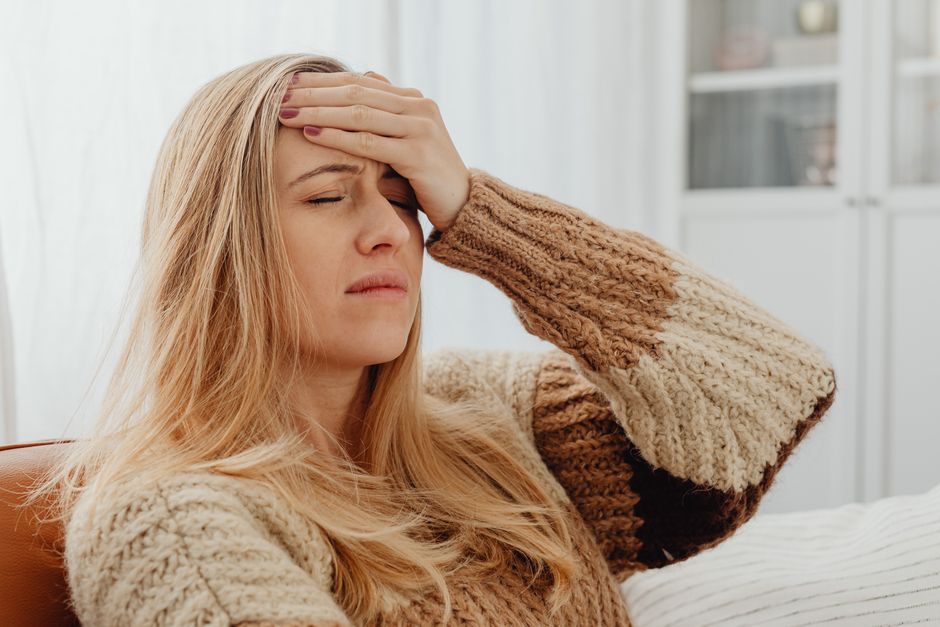
A headache rarely announces itself politely. It shows up mid-workday, during a commute, or right before you need to focus. The honest answer to how to quickly get rid of a headache at home is this: most tension-type headaches respond to simple steps like rest, hydration, a cold or warm compress, and an over-the-counter pain reliever taken early. Migraine attacks often need a quiet, dark room and may respond to specific medications. Some headaches signal something serious and need medical care, not home treatment.
What works depends on which type of headache you have. That distinction matters more than any single remedy.
What Are the Most Common Types of Headaches?
Most headaches fall into two broad categories, and they behave differently.
Tension-type headaches are the most common kind. They typically feel like a dull, tightening band around both sides of the head. The pain is usually mild to moderate and does not get worse with routine physical activity. Stress, poor sleep, dehydration, and long hours in one posture are common triggers.
Migraine is a neurological condition, not just a bad headache. Attacks often cause throbbing pain, usually on one side, and are frequently accompanied by nausea, light sensitivity, and sound sensitivity. Movement tends to make migraine worse. Some people get an aura beforehand — visual changes like flashing lights or blind spots.
There are other types too, including cluster headaches, which cause severe pain around one eye and are far less common. Sinus headaches are often misidentified; what people call a sinus headache is frequently migraine or tension-type pain. This matters because the treatment differs.
How To Quickly Get Rid Of A Headache At Home
For a typical tension-type headache, several steps can help within a reasonable timeframe.
- Drink water. Even mild dehydration can trigger or worsen a headache. If you have not had much fluid, drink a full glass.
- Rest in a quiet, dim room. Reducing light and noise helps most headaches, and it is essential for migraine.
- Apply a compress. A cold pack on the forehead or temples can numb pain. Some people find a warm compress on the neck and shoulders more helpful for tension headaches. Try whichever feels better.
- Take an over-the-counter pain reliever early. Common options include ibuprofen, acetaminophen, or aspirin. These work best when taken soon after a headache starts. Follow the label directions exactly.
- Address the trigger. If you skipped a meal, eat. If you have been staring at a screen for hours, step away. If you are tense, loosen your neck and shoulders.
One point deserves emphasis. Over-the-counter pain relievers are effective for occasional headaches, but using them frequently can backfire. Taking these medications on many days per month can cause medication-overuse headache, a condition where the pain returns as the drug wears off. This is a well-documented clinical problem. If you find yourself reaching for pain relievers often, that is a reason to talk with a clinician rather than a reason to keep taking them.
Does Caffeine Help a Headache?
Caffeine can help in the short term. It narrows blood vessels, and it is included in some headache medications because it can boost their pain-relieving effect.
The catch is the rebound. Regular caffeine use can lead to withdrawal headaches when you skip your usual dose. If you drink several cups of coffee a day and get a headache on a morning you sleep in, caffeine withdrawal is a real possibility. For occasional use, a small amount of caffeine may help. For daily heavy use, it may be part of the problem rather than the solution.





What Helps a Migraine Specifically?
Migraine needs a different approach than a tension headache. The same steps — water, rest, a dark quiet room — still apply, but they are often not enough on their own.
Some people get relief from lying down in a dark room, applying a cold pack, and sleeping. If you have been prescribed a migraine-specific medication by a clinician, taking it early in an attack is generally more effective than waiting. Over-the-counter options can help mild attacks, but frequent use carries the same overuse risk described above.
If migraines are frequent, disabling, or not controlled by occasional home measures, that is a medical conversation. Preventive treatments exist, and a clinician can help determine whether one is appropriate.
When Is a Headache a Medical Emergency?
Most headaches are not dangerous. A small number are, and the warning signs are well established.
Seek emergency care right away if a headache:
- Comes on suddenly and severely — often described as the worst headache of your life, reaching peak intensity within seconds to a minute
- Comes with a fever and a stiff neck
- Comes with confusion, fainting, weakness, numbness, trouble speaking, or vision loss
- Follows a head injury
- Comes with seizures
- Is new and severe after age 50
- Gets steadily worse over days or weeks
These signs can indicate bleeding in the brain, infection such as meningitis, or another serious cause. They require urgent evaluation, not home treatment. Do not wait to see if it passes.
Should You See a Doctor for Frequent Headaches?
Occasional headaches that respond to home care usually do not require a medical visit. Recurring headaches do.
Talk with a clinician if you get headaches often, if they interfere with work or daily life, if over-the-counter medications are no longer working, or if you are taking them frequently. A clinician can help identify the type of headache, rule out other causes, and discuss treatment options.
Keeping a simple record can help. Note when headaches happen, how long they last, what you ate, how you slept, and what you were doing beforehand. Patterns often emerge that point to a trigger or a diagnosis.
Can You Prevent Headaches Before They Start?
Prevention is more reliable than treatment for people who get headaches regularly. The basics are well established.
- Stay hydrated. Drink water throughout the day, not just when you feel thirsty.
- Keep regular sleep hours. Both too little and too much sleep can trigger headaches.
- Eat on a consistent schedule. Skipping meals is a common trigger.
- Manage stress. Relaxation techniques, breathing exercises, and regular physical activity can help.
- Watch caffeine. Keep intake steady and moderate rather than swinging between high and low.
- Mind your posture. Long hours hunched over a screen strain the neck and can set off tension headaches.
None of these is a guarantee. They reduce the odds, and for many people that is enough to make a real difference.
What About Home Remedies That Lack Evidence?
Some popular remedies have little or no clinical evidence behind them. It is worth being direct about this.
Essential oils, magnets, and various supplements are widely marketed for headaches. For most of these, the evidence is limited or mixed. Some people report benefit, but reported benefit is not the same as demonstrated effectiveness in controlled trials. Peppermint oil applied to the temples has been studied for tension headaches with some promising but limited results. That is a fair description of the state of the evidence — not a strong endorsement.
If a remedy is inexpensive, low-risk, and helps you personally, there is little harm in trying it alongside proven steps. What matters is not relying on an unproven remedy while ignoring warning signs or delaying care that could help.
Frequently Asked Questions
How do you get rid of a headache fast at home?
Drink water, rest in a quiet dark room, and take an over-the-counter pain reliever early if appropriate. These steps work best for tension-type headaches and mild migraine attacks.
Does drinking water help a headache?
Yes, if dehydration is contributing to the headache, drinking water can help within a short time. It will not resolve a headache caused by something else, such as migraine or medication overuse.
When should a headache worry you?
A sudden severe headache, one with fever and a stiff neck, or one with weakness, confusion, or vision changes needs emergency care. These signs can indicate a serious cause.
Can taking pain relievers too often cause headaches?
Yes. Using over-the-counter pain relievers on many days per month can cause medication-overuse headache, where pain returns as the medication wears off. This is a well-documented clinical condition.
